Category: Sports

  • Why Multi-Sport Courts Are Gaining Popularity in Residential Projects

    Why Multi-Sport Courts Are Gaining Popularity in Residential Projects

    Residential developments across India are evolving rapidly. Today’s homebuyers are no longer satisfied with a single amenity that serves one purpose. Instead, developers and housing societies are prioritising flexible, space-efficient sports infrastructure, and this shift has led to the rising demand for the multi-purpose court.

    From gated communities and villas to high-rise apartments and townships, the multipurpose court has become a standard recreational feature. The reason is simple: one well-designed court can support multiple sports, maximise land usage, and offer long-term value when built with the right multipurpose court flooring.

    The Changing Role of Sports Spaces in Residential Projects

    Earlier, residential projects typically included either a small park or a single basketball court purpose facility. However, lifestyle expectations have changed. Residents now look for spaces that encourage daily activity, family engagement, and community interaction.

    A multi-purpose sports court answers all these needs by allowing multiple age groups to use the same area for different sports such as tennis, basketball, badminton, pickleball, and recreational play. This adaptability makes it especially suitable for modern residential environments where space is limited, but expectations are high.

    Why Developers Prefer Multi-Purpose Courts

    One of the biggest reasons developers opt for multi-purpose outdoor sports courts is cost efficiency. Constructing individual courts for each sport requires more land, higher material costs, and increased maintenance. In contrast, a single outdoor multipurpose court delivers better utilisation without compromising play quality.

    Additionally, developers benefit from:

    • Higher amenity value per square foot
    • Lower construction and maintenance costs
    • Faster project execution
    • Stronger marketing appeal for residential buyers

    When supported by durable multipurpose court flooring, these courts maintain performance and appearance even under high daily usage.

    The Importance of Multipurpose Court Flooring

    While the concept of a multipurpose outdoor court is attractive, its success depends entirely on the flooring system used. Flooring determines safety, playability, durability, and long-term cost.

    Modern residential projects increasingly rely on synthetic acrylic multipurpose court flooring because it balances performance across multiple sports. Unlike single-sport surfaces, a multi-purpose court surface must accommodate different ball bounce patterns, player movements, and traction requirements.

    High-quality multipurpose court flooring offers:

    • Consistent grip for multiple sports
    • Controlled ball bounce for tennis and basketball
    • Slip resistance in outdoor conditions
    • UV stability and weather resistance
    • Low maintenance over long usage cycles

    This is why flooring selection is the most critical decision in multi-sport court construction.

    Rise of Backyard Multi-Purpose Courts

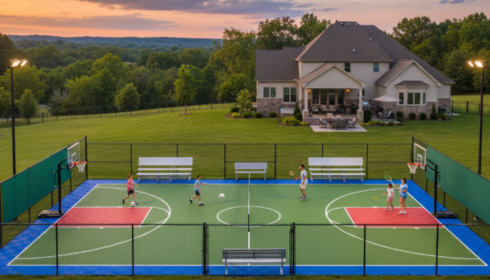
    Luxury villas and independent homes are also driving demand for the backyard multi-purpose court. Homeowners increasingly want private sports spaces that the entire family can use. A multi-purpose backyard court allows tennis practice, casual basketball games, and children’s play without needing separate installations.

    For such applications, multipurpose court flooring must be cushioned, joint-free, and safe for all age groups. Synthetic acrylic systems are ideal because they can be customised for comfort, colour schemes, and court markings without increasing complexity.

    Multi-Purpose Basketball and Tennis Courts in Residential Complexes

    Many housing societies now combine tennis and basketball into a single multi-purpose tennis court or multipurpose basketball court. With proper line marking and surface texture, the same court supports structured sports training as well as recreational play.

    A well-designed multi-purpose basketball court within a residential complex enhances daily engagement while maintaining professional play standards. The key is using a multi-purpose court surface that offers:

    • Accurate bounce for tennis rallies
    • Shock absorption for basketball movements
    • Non-abrasive texture for barefoot safety

    This versatility makes multi-sport courts a long-term asset rather than a short-term feature.

    Why Multipurpose Outdoor Courts Need Expert Flooring Knowledge

    Outdoor environments expose courts to extreme heat, monsoon moisture, and surface wear. A poorly selected multipurpose outdoor court surface can crack, fade, or become slippery within a few seasons.

    This is where manufacturer-led expertise becomes important. Flooring systems designed specifically for Indian conditions perform better than generic surfaces. Professional multipurpose court flooring accounts for:

    • Concrete base movement
    • Thermal expansion
    • Drainage and slope management
    • Long-term resurfacing cycles

    Without these considerations, even the best court design will fail prematurely.

    Why Top Flooring-Related Content Matters

    As awareness around sports infrastructure grows, so does the need for reliable, experience-driven information. Top Flooring related content stands out because it focuses on practical flooring solutions, not just surface-level descriptions.

    Content that explains:

    • How multipurpose court flooring behaves over time
    • Why acrylic systems outperform temporary surfaces
    • What developers should look for before construction?
    • How residential usage differs from professional facilities

    Helps decision-makers choose the right system from the start. This type of content bridges the gap between design intent and real-world performance, making it especially valuable for residential developers, architects, and housing societies.

    The Future of Multi-Sport Courts in Residential Living

    The popularity of the multi-purpose sports court is not a passing trend. It reflects a long-term shift towards efficient, inclusive, and sustainable residential amenities. As cities grow denser and open spaces become limited, multipurpose outdoor courts will continue to replace single-sport installations.

    With advanced multipurpose court flooring, these courts now offer professional-grade performance while remaining accessible to all age groups. For residential projects, this means better returns on investment, stronger community engagement, and lasting value.

    Final Thought

    Multi-sport courts are gaining popularity because they solve real problems—space limitations, rising costs, and evolving lifestyle needs. When built with the right multipurpose court flooring, they become one of the most valuable assets in any residential project.

    As demand continues to grow, informed decisions backed by expert flooring knowledge will define which courts truly stand the test of time.

  • Starting a Pickleball Court Business? Choose the Right Flooring

    Starting a Pickleball Court Business? Choose the Right Flooring

    Pickleball has rapidly evolved from a niche sport into one of the fastest-growing recreational games across India. As the sport gains traction in housing societies, schools, clubs, and private sports complexes, so does the demand for professional-grade pickleball courts. For entrepreneurs and sports facility developers, starting a pickleball court business presents a profitable opportunity—but one crucial factor often overlooked is the pickleball court flooring.

    Choosing the best flooring for a pickleball court is more than just a visual or budget decision. It affects player performance, safety, durability, and long-term return on investment. In this blog, we’ll explore why flooring matters, what materials work best, and the real numbers behind pickleball court flooring cost in India.

    Why Flooring is Critical to Your Pickleball Business

    In the pickleball court business, the playing surface is more than just a foundation—it’s the key to a successful and long-lasting facility. A quality floor ensures consistent ball bounce, proper grip, and player safety, which are critical for both recreational and competitive play. Poor flooring, on the other hand, can lead to surface cracks, color fading, water damage, or slipperiness—issues that not only raise maintenance costs but can also negatively affect your brand reputation.

    Especially in India, where intense heat, rain, and dust are common, weather-resistant pickleball court flooring is a must. A well-constructed court creates a positive user experience that encourages repeat bookings and long-term memberships. Whether you’re targeting housing societies, clubs, or sports complexes, investing in the right surface gives your business a strong foundation—offering better performance for players and more credibility for your brand.

    Understanding Pickleball Court Surface Materials

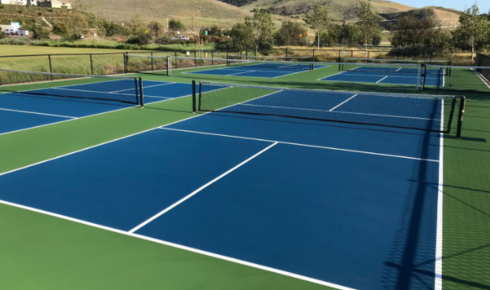
    The ideal pickleball court surface material for Indian conditions is synthetic acrylic. It’s engineered to withstand UV rays, moisture, and high foot traffic while maintaining smoothness and playability. Compared to concrete or modular tiles, synthetic acrylic delivers better shock absorption, consistent bounce, and reduced player fatigue. It also supports anti-slip properties, which are essential for safety during fast-paced matches.

    A synthetic acrylic pickleball court also stands out for its visual appeal and flexibility. The surface can be customized in color and cushioning levels to match branding or performance goals. It’s low-maintenance, long-lasting, and suitable for both beginner-friendly setups and professional-grade courts. For new court builders and investors, acrylic flooring combines aesthetics, functionality, and value—making it the best long-term flooring choice.

    Outdoor Pickleball Court Flooring Cost

    The outdoor pickleball court flooring cost in India depends on several factors, including the type of base (concrete or asphalt), surface preparation, number of acrylic or cushion layers, and site location. Additional customization—such as multi-color schemes or logo printing—can also influence the budget. On average, pickleball court flooring costs range from ₹180 to ₹350 per sq. ft.

    A standard-sized court of approximately 2,800–3,000 sq. ft. would cost between ₹5 to ₹10 lakhs for full installation. Acrylic systems without cushion layers are more economical and suitable for basic use, while cushion-coated courts offer enhanced comfort for frequent play. For those starting a new facility, opting for a standard system first and upgrading later allows for better financial flexibility without compromising on quality.

    Pickleball Court Installation Materials Checklist

    To build a high-quality court, you need the right set of pickleball court installation materials, which typically include:

    • Concrete or Asphalt Base: Provides a solid, level foundation essential for surface stability and performance.
    • Acrylic Primer: Enhances adhesion between the base and the resurfacer or top coating layers.
    • Acrylic Resurfacer: Smooths out imperfections and prepares the surface for cushion and color coats.
    • Cushion Coats (Optional): Adds shock absorption and player comfort, ideal for professional or high-traffic courts.
    • UV-Resistant Acrylic Color Layers: Protects against fading and weather damage while offering vibrant, customizable finishes.
    • Official Line Marking Paint: Durable, high-visibility paint that defines game zones according to regulation standards.
    • Drainage & Fencing (Outdoor Courts): Keeps the court dry and secure, especially important for all-weather outdoor installations.

    Use only certified, weather-tested materials and purchase from trusted suppliers offering full-layer systems and expert support.

    Where to Buy Pickleball Court Flooring in India

    Looking for pickleball court flooring in India? Choose a supplier who not only sells premium-grade materials but also understands Indian weather and site conditions. The right partner will guide you through base preparation, material layering, and after-sales support.

    Top Flooring is one of India’s most trusted suppliers of synthetic acrylic pickleball court materials. Whether you’re launching a new court or resurfacing an old one, they provide everything from base primers and cushion layers to UV-resistant color coats and line paints—all tailored for Indian climate and international gameplay standards.

    Conclusion

    Starting a pickleball court business is a smart move in India’s evolving sports infrastructure market. But success depends on getting the core elements right—starting with the surface players stand on. Choosing the best flooring for a pickleball court ensures long-term durability, player satisfaction, and business profitability.

    Invest in reliable, weather-resistant pickleball court flooring backed by expert support. It’s not just about building a court—it’s about building a winning experience for every player who steps on it.

    Ready to build your court? Get premium-quality materials and expert advice from Top Flooring—India’s leader in acrylic sports flooring.

  • The Ultimate Wolverine Peptide Stack: Where to Buy BPC-157, TB-500, and Ipamorelin in the UK

    The Ultimate Wolverine Peptide Stack: Where to Buy BPC-157, TB-500, and Ipamorelin in the UK

    Peptide therapy has surged in popularity, particularly among athletes, biohackers, and fitness enthusiasts seeking to accelerate recovery, boost muscle growth, and enhance performance. One powerful combination that’s been gaining traction is the Wolverine peptide stack, which typically includes BPC-157, TB-500, and Ipamorelin. Together, these peptides create a potent synergy for healing, recovery, and overall physical rejuvenation. If you’re looking to buy BPC 157 peptide in the UK, along with other performance-enhancing compounds, this guide covers everything you need to know.

    What Is the Wolverine Peptide Stack?

    The Wolverine stack is inspired by the comic book character known for his rapid regeneration and healing abilities. This stack generally consists of:

    • BPC-157: A synthetic peptide derived from a protein found in the stomach. Known for its powerful tissue-repair and anti-inflammatory properties, BPC-157 has been studied for its effects on muscle, tendon, and ligament healing.
    • TB-500: This peptide is a synthetic version of a natural protein called thymosin beta-4. It promotes cell migration, blood vessel formation, and wound healing, making it ideal for speeding up recovery from injuries.
    • Ipamorelin: A growth hormone secretagogue that helps increase natural growth hormone production, leading to improved muscle gain, fat loss, and recovery.

    Together, these peptides make the Wolverine stack a top choice for those seeking enhanced physical resilience and performance.

    Buy TB-500 Peptide in the UK

    If you want to buy TB 500 peptide in the UK, it’s essential to choose a supplier that guarantees product purity and authenticity. TB-500’s healing potential can only be fully realized when the peptide is of high pharmaceutical grade. Poor-quality TB-500 from unregulated sources can not only be ineffective but also potentially harmful. Look for vendors that provide third-party lab testing, proper storage conditions, and transparent customer reviews.

    Buy Ipamorelin Peptide UK: What to Look For

    When you set out to buy Ipamorelin peptide UK consumers should be aware that not all vendors offer the same quality. Ipamorelin is a highly sensitive peptide that requires careful handling. Make sure the seller uses appropriate storage methods (like cold-chain shipping) and offers clear usage guidelines. Additionally, transparency in ingredient sourcing and lab certification is a strong indicator of a trustworthy provider.

    Why the Wolverine Stack Works So Well

    The Wolverine peptide stack works on multiple levels of the body’s healing and regenerative systems. BPC-157 focuses on healing the gut, joints, and tendons, TB-500 enhances mobility and speeds up injury recovery, while Ipamorelin boosts overall growth hormone levels. This combination makes the stack especially beneficial for athletes recovering from intense training or injury, as well as older individuals seeking rejuvenation and improved physical function.

    Best Place to Buy Peptides UK

    Finding the best place to buy peptides UK users can trust is critical. The market is flooded with numerous suppliers, but not all of them uphold high standards. Reputable vendors will:

    • Provide certificates of analysis (COAs) for each product
    • Offer customer support and satisfaction guarantees
    • Ship quickly and securely across the UK
    • Have numerous verified positive reviews from real customers

    Avoid any supplier that lacks transparency or tries to hide behind vague product descriptions. Remember, your health and performance depend on what you put into your body.

    Legal and Safety Considerations

    Before purchasing peptides, it’s important to understand the legal status in the UK. While peptides like BPC-157, TB-500, and Ipamorelin are legal to purchase for research purposes, they are not approved for human consumption by regulatory bodies like the MHRA. Always consult with a healthcare professional before beginning any new peptide protocol.

    Final Thoughts

    The Wolverine peptide stack, when properly sourced and used, offers a powerful way to promote healing, strength, and recovery. Whether you’re aiming to overcome a stubborn injury or simply enhance your physical resilience, BPC-157, TB-500, and Ipamorelin provide a solid foundation for success. Prioritize quality, research your sources, and always choose safety over shortcuts.

  • Tennis Court Flooring: A Complete Guide

    Tennis Court Flooring: A Complete Guide

    Tennis is a sport enjoyed worldwide, and having a well-constructed court is essential for high-quality gameplay. Whether you’re planning a tennis court construction for a private residence, club, or professional tournament, understanding the tennis court dimensions, size, and flooring is crucial. This guide will provide insights into the standard measurements, construction process, and the best flooring options available.

    Tennis Court Size and Dimensions

    A standard tennis court is built following international specifications set by the International Tennis Federation (ITF) to ensure fair and consistent play.

    The total court size measures 78 feet in length and 36 feet in width for doubles matches. For singles matches, the width is reduced to 27 feet. The service line is placed 21 feet away from the net, allowing players to execute accurate serves and volleys. The net stands at a height of 3 feet at the center and 3.5 feet at the posts. These precise dimensions create an optimal playing surface for both professional and recreational players.

    Beyond the court itself, additional space is required for movement and safety. Recreational courts typically require an area of 120 feet by 60 feet to accommodate run-off space. Professional courts demand even more space, especially when seating areas for spectators are included. Properly planned dimensions ensure a comfortable and safe playing environment.

    Tennis Court Construction Process

    Building a tennis court involves multiple steps to ensure durability, performance, and player safety.

    The first step in construction is site selection and preparation. Choosing a level area with good drainage is crucial to prevent water accumulation and surface damage. The ground should be compacted thoroughly to provide a stable base. Once the site is prepared, the base construction begins. Tennis courts typically have a concrete or asphalt foundation to ensure long-term durability. A well-constructed base reduces the risk of cracks and uneven surfaces, which can negatively impact gameplay.

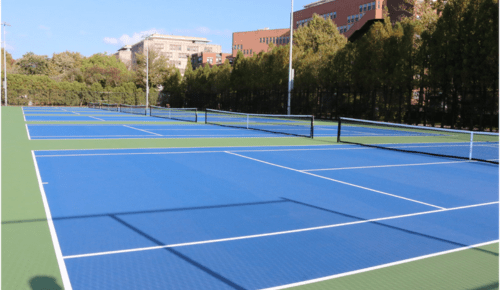
    The next phase is court surface installation. Selecting the right tennis court flooring is essential, as it determines the quality of play. The surface should be installed with precision to meet international standards, ensuring uniform bounce and slip resistance. After flooring installation, net posts and fencing are added to complete the court. Properly secured net posts maintain the correct net height, while fencing prevents balls from leaving the playing area. For courts used in evening matches or professional tournaments, stadium lighting is installed to improve visibility and enhance the playing experience.

    Best Flooring Options for Tennis Courts

    Choosing the right flooring affects playability, ball bounce, and player comfort. Several flooring options are available, each offering unique benefits.

    One of the most widely used surfaces is Acrylic flooring, which provides a medium-fast ball speed and a consistent bounce. It is slip-resistant, weatherproof, and requires minimal maintenance, making it ideal for both professional and recreational courts. Another popular choice is Artificial Turf for Tennis Courts, which mimics the feel of natural grass but is much easier to maintain. This flooring option offers a medium-speed ball bounce and added comfort for players, reducing the risk of joint strain.

    For indoor courts, PVC Vinyl Sports Flooring is an excellent option. This type of flooring provides superior shock absorption, which helps prevent injuries. It is highly durable and easy to clean, making it ideal for multi-purpose indoor sports facilities. Another commonly used surface is the Hard Court, which consists of an acrylic coating over asphalt or concrete. Hard courts, like those used in the US Open and Australian Open, offer a fast-paced game and high durability. However, they require periodic resurfacing to maintain their quality.

    Clay courts, while less common, are favored by endurance-based players. The slow ball speed and higher bounce allow for longer rallies. However, clay courts require frequent maintenance to keep them in top condition.

    Key Considerations for Tennis Court Installation

    When constructing a tennis court, several factors must be taken into account. The first consideration is whether the court will be built outdoors or indoors. Outdoor courts require weather-resistant materials to withstand changing climate conditions. Proper drainage is also essential to prevent water pooling, which can damage the surface and affect playability.

    Color selection is another important aspect of tennis court installation. Most professional courts feature blue, green, or red surfaces, which provide better visibility for players and spectators. Additionally, regular maintenance is required to ensure the longevity of the court. Periodic resurfacing, repainting, and cleaning help keep the surface in optimal condition.

    Conclusion

    Understanding tennis court size, construction, and flooring is key to building a high-performance court. Whether you need Acrylic Flooring, Artificial Turf, PVC Vinyl Sports Flooring, or Stadium Lighting, choosing the right materials ensures durability and enhanced playability. Explore our high-quality sports flooring solutions for long-lasting performance.

  • The Ultimate Guide to Golf Ball Markers: Choosing the Best Golf Ball Markers for Your Game

    The Ultimate Guide to Golf Ball Markers: Choosing the Best Golf Ball Markers for Your Game

    When it comes to golf, small accessories can make a big difference. One such essential item is a golf ball marker. This tiny tool helps players mark the position of their ball on the green, ensuring fairness and accuracy during a round. Whether you’re a casual golfer or a seasoned pro, having the right marker can enhance your experience on the course.

    What Are Golf Ball Markers?

    A golf ball marker is a small, flat object used to indicate the position of a ball when it needs to be lifted, usually on the putting green. It prevents interference with other players’ shots and allows golfers to clean their ball or reposition it without breaking any rules. Markers come in various styles, from simple coins to stylish custom designs.

    Why You Need a Golf Accessory Like a Ball Marker

    Among the many golf accessory options available, a ball marker is one of the most practical. Here’s why:

    • Precision – It helps maintain the correct placement of the ball after it has been lifted.
    • Respect for Other Players – Marking your ball ensures that you don’t disrupt another golfer’s putt.
    • Style and Personalization – It’s a chance to express your personality on the course with unique designs.

    Exploring Custom Golf Ball Markers

    For those who love a personal touch, custom golf ball markers offer a unique way to stand out on the green. These markers can be engraved with initials, logos, or even personal messages, making them perfect for gifts or promotional items. Customization options include:

    • Engraved Metal Markers – Durable and stylish, often made from brass, stainless steel, or aluminum.
    • Magnetic Markers – Designed to attach to golf hats or divot tools for easy access.
    • Wooden or Acrylic Markers – Lightweight and eco-friendly options for a distinctive look.

    Choosing the Best Golf Ball Markers

    When selecting the best golf ball markers, consider the following factors:

    1. Material – Metal markers tend to be more durable, while plastic and wood offer unique aesthetics.
    2. Size and Weight – A marker should be large enough to spot easily but not so bulky that it interferes with play.
    3. Design and Personalization – Whether you prefer a classic look or a custom-engraved design, choose one that suits your style.
    4. Functionality – Magnetic markers and those with built-in alignment tools can enhance usability.

    Personalized Golf Ball Markers: A Great Gift Idea

    If you’re looking for a thoughtful gift for a golfer, personalized golf ball markers are a fantastic choice. They can be tailored to reflect a golfer’s personality, interests, or even a company logo for corporate events. Personalized markers are popular for:

    • Golf Tournaments – Perfect as souvenirs or prizes for participants.
    • Corporate Gifts – A great way to promote a brand while adding value to a golfer’s accessories.
    • Personal Use – Make your mark on the course with a one-of-a-kind design.

    Conclusion

    A golf ball marker is more than just a small tool—it’s a crucial golf accessory that enhances precision, respect, and style on the course. Whether you opt for a simple marker or go all out with custom golf ball markers, choosing the right one can make a difference in your game. Explore the variety of options available and find the best golf ball markers that match your style and needs.

    Want to add a personal touch? Consider personalized golf ball markers for yourself or as a special gift for a fellow golfer.

  • Finding the Best Personal Trainer in Singapore for Your Fitness Goals

    Finding the Best Personal Trainer in Singapore for Your Fitness Goals

    Introduction: Why Choose Personal Training in Singapore?

    Staying fit and healthy is a priority for many individuals, but achieving your fitness goals can often require expert guidance. If you’re based in Singapore, hiring a personal trainer in Singapore can be one of the best decisions to ensure your fitness journey is both effective and sustainable. With tailored programs, professional expertise, and motivational support, personal trainers can help you achieve your desired results, whether it’s weight loss, muscle building, or general well-being.

    This article will explore the options for personal training in Singapore, including specialized services such as a home personal trainer Singapore and finding a personal trainer female Singapore. We’ll also discuss how to identify the best personal trainer in Singapore to suit your unique needs.


    Benefits of Personal Training in Singapore

    Engaging in personal training in Singapore comes with numerous advantages. One of the key benefits is the ability to work with a fitness professional who designs a program specifically for your body type, goals, and fitness level. Unlike generic workout plans, a personal trainer provides tailored solutions that focus on your strengths and areas for improvement.

    Another advantage is accountability. Many people struggle to stay consistent with their fitness routines, but having a trainer ensures that you stick to your plan. They offer encouragement, track your progress, and make necessary adjustments to keep you on track.

    Lastly, professional trainers in Singapore are well-versed in the latest fitness trends and techniques. Whether it’s strength training, high-intensity interval training (HIIT), or functional fitness, they can introduce new workouts that keep your sessions engaging and productive.


    Convenience with a Home Personal Trainer in Singapore

    For those with busy schedules, hiring a home personal trainer Singapore is a fantastic option. A home trainer brings the workout to your doorstep, saving you time and eliminating the need to commute to a gym. This option is especially popular for individuals who value privacy or have specific needs, such as post-injury recovery or pre/post-natal fitness.

    A home personal trainer Singapore can bring all the necessary equipment and adapt workouts to suit your home environment. They ensure that you achieve your fitness goals while maintaining the flexibility to train at a time that suits you best.


    Finding the Right Personal Trainer Female in Singapore

    If you’re looking for a female trainer, there are many qualified professionals offering personal trainer female Singapore services. Female trainers are often preferred by women who feel more comfortable working with someone who understands their unique physiological and emotional needs. Whether you’re aiming for weight loss, strength building, or improved flexibility, a female trainer can provide expert guidance.

    In addition, female personal trainers often specialize in areas like pre- and post-natal fitness, making them an excellent choice for mothers looking to regain strength and stamina after childbirth. Many female trainers in Singapore are also highly skilled in disciplines like yoga, Pilates, and functional training, providing diverse options for their clients.


    How to Identify the Best Personal Trainer in Singapore

    With so many options available, choosing the best personal trainer in Singapore can seem overwhelming. Here are some factors to consider:

    1. Qualifications and Certifications: Ensure the trainer holds reputable certifications in personal training, such as ACE, NASM, or ACSM. This guarantees they have the knowledge and expertise to guide you effectively.
    2. Experience: Look for a trainer with experience in your specific fitness goals. Whether you’re training for a marathon, recovering from an injury, or simply trying to lose weight, their experience can make a significant difference.
    3. Client Reviews and Testimonials: Feedback from past clients can give you insight into the trainer’s effectiveness, professionalism, and personality.
    4. Compatibility: Choose a trainer whose style and personality resonate with you. A good rapport can make your training sessions more enjoyable and productive.
    5. Flexibility: The best personal trainer in Singapore will accommodate your schedule, location preferences, and specific needs, whether it’s home training or gym sessions.

    Conclusion: Take the First Step Towards Your Fitness Goals

    Hiring a personal trainer in Singapore can be the key to unlocking your fitness potential. With options like home personal trainer Singapore services and the availability of skilled professionals offering personal trainer female Singapore programs, there’s a solution for everyone. Finding the best personal trainer in Singapore requires some research, but the rewards of tailored workouts, expert guidance, and consistent motivation are well worth the effort.

    Investing in personal training in Singapore is a step toward better health, improved fitness, and a happier lifestyle. Start your journey today with a trainer who understands your goals and will guide you every step of the way.

  • A Comprehensive Guide to EU VAT Tax for Boat and Yacht Importation

    A Comprehensive Guide to EU VAT Tax for Boat and Yacht Importation

    If you’re considering importing your boat or yacht into the European Union (EU), understanding the EU VAT tax import process is crucial. With various regulations and requirements, navigating this process can seem daunting, but proper guidance can make it much simpler. This article explains the steps involved, the benefits of registering your vessel in certain jurisdictions, and how to ensure compliance while optimizing your costs.

    EU VAT Tax Import Explained

    Value-Added Tax (VAT) is a consumption tax applied to goods and services within the EU, including the importation of boats and yachts. If you plan to import your boat in the EU, the VAT liability depends on factors like the boat’s age, the country of import, and whether it was previously taxed in an EU country.

    The VAT rate varies across member states, ranging between 17% and 27%. For new boats or those purchased from outside the EU, VAT is typically calculated based on the vessel’s value at the time of entry. Ensuring that you meet all VAT obligations is essential to avoid penalties or restrictions on your vessel’s movement within EU waters.

    Importing Your Yacht into the EU

    If you are looking to import your yacht, the process is similar to that of a boat. The key difference lies in the yacht’s often higher value and potential for commercial use, which can bring additional regulatory requirements. For instance, yachts used for charter purposes may qualify for specific tax advantages or exemptions.

    Owners must provide detailed documentation, including proof of ownership, original invoices, and a declaration of conformity for EU standards. Hiring a professional maritime consultant or customs broker can streamline the process and ensure compliance with all legal and tax requirements.

    The Advantages of San Marino Registration

    San Marino has gained popularity as a preferred jurisdiction for vessel registration due to its favorable tax environment and efficient processes. By choosing San Marino registration, boat and yacht owners benefit from low registration fees, simplified procedures, and recognition across the EU.

    Additionally, San Marino’s non-EU status allows for flexibility in managing VAT liabilities. Many owners choose to register their vessels there to optimize costs and gain legal advantages while cruising in EU waters.

    Why Consider Poland Boat Registration?

    Another attractive option for registration is Poland, known for its straightforward and cost-effective procedures. Opting for Poland boat registration provides several benefits, including no annual renewal fees and lifetime validity for private vessels.

    Poland is an EU member state, meaning boats registered there automatically comply with EU standards. This registration is ideal for owners seeking a hassle-free solution for operating their boats within EU waters without incurring additional administrative burdens.

    Tips for a Smooth Import Process

    1. Documentation: Ensure all paperwork is complete, including proof of purchase, VAT payment receipts (if applicable), and safety compliance certificates.
    2. Professional Help: Engage experts familiar with maritime law and customs procedures to avoid costly mistakes.
    3. Research Registration Options: Explore jurisdictions like San Marino and Poland for their unique advantages.
    4. Compliance: Keep your vessel compliant with EU maritime and environmental standards to prevent issues during inspections.

    In conclusion, understanding the complexities of EU VAT tax import, choosing the right jurisdiction, and preparing thorough documentation are key to a successful importation process. Whether you plan to import your boat in the EU or seek favorable registration options like San Marino registration or Poland boat registration, proper planning ensures smooth sailing in every sense.

  • Solvent Trap Kit – Understanding Solvent Traps, Adapters, Tubes, and Cups

    Solvent Trap Kit – Understanding Solvent Traps, Adapters, Tubes, and Cups

    In the realm of firearm maintenance and modification, the solvent trap kit has become an essential tool for enthusiasts and professionals alike. This article provides an in-depth look into the components of a solvent trap kit, including solvent traps, adapters, tubes, and cups, and explores their significance in maintaining and enhancing firearm performance.

    What is a Solvent Trap Kit?

    A solvent trap kit is designed to capture and contain cleaning solvents used during the maintenance of firearms. These kits are particularly useful for gun owners who want to clean their weapons without creating a mess or exposing themselves to harmful chemicals. The kit typically includes various components that work together to ensure an effective and safe cleaning process.

    Components of a Solvent Trap Kit

    1. Solvent TrapsSolvent traps are the core component of a solvent trap kit. They are designed to catch and hold solvents and other cleaning agents used in the firearm maintenance process. Made from durable materials like aluminum or stainless steel, solvent traps come in different sizes and shapes to fit various firearm calibers. The primary function of a solvent trap is to prevent the cleaning solvent from coming into contact with the user’s hands or surroundings, making the cleaning process safer and more efficient.
    2. Solvent Trap AdaptersSolvent trap adapters are crucial for ensuring compatibility between the solvent trap and the firearm. These adapters allow users to attach the solvent trap to the firearm’s barrel securely. They come in various thread patterns and sizes to fit different firearm models and calibers. Choosing the right adapter is essential to ensure a proper seal and prevent any leakage of solvents during the cleaning process.
    3. Solvent Trap TubesSolvent trap tubes are cylindrical components that fit inside the solvent trap. They are designed to hold the cleaning solvent and direct it through the firearm’s barrel. The tubes are typically made from high-quality materials that can withstand the corrosive nature of cleaning solvents. Some solvent trap kits come with multiple tubes of different lengths to accommodate various barrel sizes and types.
    4. Solvent Trap CupsSolvent trap cups are used to collect the spent solvent and debris that accumulate during the cleaning process. They are positioned at the bottom of the solvent trap and are easily removable for cleaning or replacement. The cups are designed to hold a significant amount of solvent and debris, reducing the need for frequent emptying. They also help in keeping the cleaning process neat and organized.

    Benefits of Using a Solvent Trap Kit

    1. Enhanced SafetyUsing a solvent trap kit significantly reduces the risk of exposure to harmful cleaning solvents. By capturing the solvents in a controlled environment, users minimize the chance of accidental spills or splashes. This is especially important for maintaining a safe and clean workspace.
    2. Improved EfficiencyA solvent trap kit streamlines the cleaning process by providing all the necessary components in one package. With a proper setup, users can efficiently clean their firearms without having to constantly switch between different tools or containers. The kit’s design also helps in ensuring thorough cleaning, which can enhance the overall performance of the firearm.
    3. Cost-EffectiveInvesting in a solvent trap kit can be cost-effective in the long run. By preventing spills and leaks, the kit helps in conserving cleaning solvents and reducing waste. Additionally, the durability of the components ensures that they can be used for multiple cleaning sessions, providing long-term value.
    4. Environmental ImpactSolvent trap kits contribute to environmental conservation by minimizing the release of harmful chemicals into the environment. By containing the solvents and preventing them from contaminating soil or water, users play a part in protecting natural resources.

    Choosing the Right Solvent Trap Kit

    When selecting a solvent trap kit, consider the following factors to ensure you choose the right one for your needs:

    1. CompatibilityEnsure that the solvent trap and its components are compatible with your firearm. Check the thread patterns and sizes of the adapters and tubes to confirm they fit your firearm’s specifications.
    2. Material QualityOpt for solvent trap kits made from high-quality materials like stainless steel or aluminum. These materials offer durability and resistance to corrosion, ensuring the longevity of the kit.
    3. Size and CapacityChoose a solvent trap kit with a size and capacity that matches your cleaning requirements. If you clean firearms of different calibers, consider a kit with interchangeable components to accommodate various sizes.
    4. Ease of UseLook for a solvent trap kit that is easy to assemble, disassemble, and clean. Features like removable cups and tubes can simplify the maintenance process and enhance user convenience.

    Maintenance and Care

    Proper maintenance and care of your solvent trap kit are essential for ensuring its longevity and effectiveness. Here are some tips for maintaining your kit:

    1. Regular CleaningAfter each use, clean the solvent trap components thoroughly to remove any residue or debris. Use appropriate cleaning agents and tools to avoid damaging the components.
    2. Check for DamagePeriodically inspect the solvent trap and its components for any signs of damage or wear. Replace any damaged parts promptly to maintain the kit’s functionality and safety.
    3. Store ProperlyStore the solvent trap kit in a dry, cool place when not in use. Avoid exposing it to extreme temperatures or harsh chemicals that could affect its performance.

    Conclusion

    A solvent trap kit is an invaluable tool for firearm maintenance, offering safety, efficiency, and environmental benefits. By understanding the components of the kit—solvent traps, adapters, tubes, and cups—users can make informed decisions and ensure a smooth cleaning process. Whether you’re a professional gunsmith or a firearm enthusiast, investing in a quality solvent trap kit can enhance your cleaning routine and prolong the life of your firearms.

  • Building the Perfect Basketball Court – Insights from Top Manufacturers

    Building the Perfect Basketball Court – Insights from Top Manufacturers

    Introduction

    Creating the perfect basketball court involves a blend of art and science, where the choice of materials and construction techniques play a pivotal role. Basketball court flooring options vary widely, each offering distinct advantages tailored to different environments and levels of play. Traditional hardwood floors remain the gold standard for indoor courts, prized for their resilience and excellent shock absorption properties. These floors are not only aesthetically pleasing but also provide a consistent and responsive surface, crucial for high-level competition. The intricate construction of hardwood courts, involving layers of wood and padding, ensures durability and minimizes the risk of injuries by reducing impact forces.

    Choosing the Right Flooring

    For outdoor basketball court construction, materials like asphalt and concrete are commonly used due to their durability and low maintenance requirements. However, advancements in synthetic materials have led to the development of specialized outdoor basketball court flooring that offers better traction and cushioning. These surfaces, often made from rubber or other composite materials, are designed to withstand the elements and provide a safe, high-performance playing surface. Basketball court makers are continually innovating in this space, exploring eco-friendly materials and technologies that not only enhance the playing experience but also reduce environmental impact.

    Construction Process

    The construction process begins with meticulous site preparation, including grading and leveling the ground to ensure a flat and even surface. For indoor courts, the subfloor plays a critical role in providing a stable foundation and enhancing shock absorption. The choice of subfloor materials and design can significantly affect the court’s performance, influencing factors like ball bounce and player comfort. Once the subfloor is installed, the selected flooring material is laid, and the court markings are painted according to regulation standards. The final touches include installing hoops, padding, and other accessories.

    Customization and Versatility

    Basketball court manufacturers often offer customized solutions, tailoring the construction process to meet specific needs and preferences. This customization can include unique color schemes, branding, and even bespoke flooring patterns. With the rise of multipurpose sports facilities, there is also a growing demand for courts that can accommodate various sports, necessitating flexible and versatile flooring solutions. As basketball continues to grow in popularity worldwide, the need for high-quality, safe, and durable basketball courts remains paramount. Manufacturers are responding to this demand by developing new materials and construction methods that enhance both the functionality and aesthetic appeal of these courts.

    Innovations in Basketball Court Construction

    One of the most significant advancements in basketball court construction is the use of modular flooring systems. These systems offer several advantages, including ease of installation, cost-effectiveness, and the ability to quickly replace damaged sections without disrupting the entire court. Modular floors are particularly popular in multi-use facilities, where the court surface must be adaptable for different sports and events. These systems can be installed over existing surfaces, making them an ideal choice for renovations or temporary installations. In addition to modular systems, manufacturers are also focusing on the development of high-performance synthetic materials that mimic the feel and playability of traditional hardwood. These synthetic surfaces offer superior durability, weather resistance, and lower maintenance requirements compared to wood. They are particularly suitable for outdoor courts, where exposure to the elements can quickly degrade natural materials. Furthermore, synthetic surfaces can be engineered to provide specific performance characteristics, such as enhanced grip or reduced glare, making them suitable for various levels of play from amateur to professional.

    Manufacturer Expertise and Maintenance

    The role of basketball court makers extends beyond simply providing flooring solutions. They often work closely with architects, engineers, and facility managers to ensure that the court meets all relevant standards and regulations. This includes considerations for player safety, such as adequate padding around the court’s perimeter, appropriate lighting, and proper ventilation for indoor facilities. Additionally, many manufacturers offer comprehensive maintenance packages, including regular inspections, cleaning, and resurfacing services. These services help extend the life of the court and ensure optimal playing conditions.

    Sustainability Considerations

    Sustainability is another key consideration in modern basketball court construction. Manufacturers are increasingly using recycled and eco-friendly materials in their products. For example, recycled rubber from tires is commonly used in base layers and cushioning systems, while water-based coatings and adhesives minimize the use of harmful chemicals. Energy-efficient lighting and climate control systems are also being integrated into new facilities to reduce their environmental impact. These sustainable practices not only benefit the environment but can also lead to significant cost savings over the life of the court.

    Conclusion

    In conclusion, building the perfect basketball court requires a careful balance of quality materials, skilled craftsmanship, and innovative design. From the selection of flooring materials to the final installation, every step of the process plays a crucial role in delivering a court that meets the high standards of both recreational players and professional athletes. The collaboration between manufacturers, architects, and engineers ensures that these facilities are not only functional and aesthetically pleasing but also safe and sustainable. As the demand for basketball courts continues to grow, embracing new technologies and materials will be key to meeting the evolving needs of the sport.

  • What is the Best City Car for You?

    When living in a bustling city, having the right car can make all the difference in your daily commute and overall convenience. The perfect city car should be compact, agile, fuel-efficient, and equipped with essential features for navigating through tight streets and parking spots. In this article, we will explore the top contenders for the best city car, taking into account various factors such as size, fuel efficiency, technology, safety, and affordability.

    1. Emphasizing Compactness and Maneuverability

    In a crowded urban environment, size matters. Compact cars are a popular choice for city dwellers as they can easily squeeze into tight parking spaces and navigate through congested traffic. Models like the Honda Fit, Toyota Yaris, and Ford Fiesta offer excellent maneuverability, making them ideal options for city driving.

    2. Fuel Efficiency for City Driving

    City traffic can be stop-and-go, leading to increased fuel consumption. Opting for a fuel-efficient city car can save you money and reduce your carbon footprint. Hybrid and electric vehicles like the Toyota Prius, Nissan Leaf, and Hyundai Ioniq are excellent choices for eco-conscious city drivers.

    3. The Advantages of Subcompact SUVs

    Subcompact SUVs have gained popularity in recent years due to their versatility and practicality. Models such as the Mazda CX-3, Honda HR-V, and Chevrolet Trax offer a higher driving position, more cargo space, and the agility of a compact car, making them an attractive choice for city dwellers seeking extra utility.

    4. Technology and Connectivity

    In the digital age, technology plays a crucial role in our driving experience. The best city cars come equipped with advanced infotainment systems, smartphone integration, and safety features like lane departure warning and automatic emergency braking. The Kia Rio, Hyundai Accent, and Volkswagen Polo are notable examples of city cars with impressive technology offerings.

    5. Prioritizing Safety in Urban Environments

    Safety is paramount, especially in busy city traffic. Look for city cars that have top safety ratings and a suite of safety features. The Honda Civic, Subaru Impreza, and Toyota Corolla have a strong reputation for safety, providing peace of mind during your city journeys.

    6. Affordability without Compromise

    Living in the city can be expensive, so finding an affordable city car without compromising on quality is essential. The Nissan Versa, Kia Picanto, and Ford EcoSport are budget-friendly options that still offer excellent features and reliability.

    7. Embracing Electric Mobility

    With increasing environmental concerns, many cities are promoting electric mobility. Electric city cars like the BMW i3, Chevrolet Bolt, and Renault Zoe are becoming more accessible, providing zero-emission transportation for eco-conscious urbanites.

    8. Finding the Perfect Balance

    Choosing the best city car is all about finding the right balance of features and capabilities that suit your specific needs. Consider factors such as your daily commute, parking availability, and the frequency of longer trips outside the city.

    In conclusion, the best city car for you will depend on your individual preferences and requirements. Whether you prioritize compactness, fuel efficiency, advanced technology, safety, or affordability, there is a city car that will meet your needs. Take the time to research and test drive different models to find the perfect fit for your urban lifestyle.

    FAQs

    1. Is a compact car suitable for city driving?

    Absolutely! Compact cars are well-suited for city driving due to their small size and maneuverability, making them easy to park and navigate through traffic.

    2. Are electric city cars practical for daily use?

    Yes, electric city cars have become more practical with advancements in battery technology and charging infrastructure, offering a sustainable and efficient mode of transportation.

    3. What safety features should I look for in a city car?

    Important safety features include lane departure warning, automatic emergency braking, blind-spot monitoring, and rear-cross traffic alert.

    4. Are subcompact SUVs fuel-efficient like compact cars?

    Subcompact SUVs generally have a slightly lower fuel efficiency than compact cars due to their larger size and weight. However, they still offer decent fuel economy for city driving.

    5. How can I find the most affordable city car?

    Comparing prices and features of various city car models from different manufacturers can help you find an affordable option that suits your needs.