


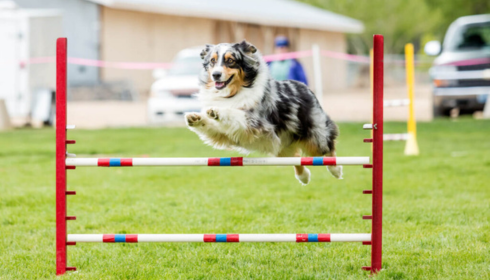
Navigating a dog competition obstacle course requires more than basic obedience; it demands precision, timing, and a strong understanding of canine behavior. Every obstacle—from jumps to tunnels, weave poles to seesaws tests a dog’s physical agility, mental focus, and confidence. Handlers aiming for peak performance must focus on structured training, strategic conditioning, and consistent practice routines. Success in competitive dog sports isn’t accidental; it is carefully cultivated through preparation, patience, and purposeful practice.
Understanding the Dog Competition Obstacle Course
A standard competition obstacle course is designed to challenge dogs physically and mentally. Common elements include:
- Jumps and hurdles: Varying heights and distances test speed and precision.
- Tunnels and chutes: Dogs must navigate quickly without hesitation or fear.
- Weave poles: Smooth, accurate weaving is essential to avoid penalties.
- Contact obstacles: Dog walks, A-frames, and seesaws require balance and control.
- Tire jumps: Timing and coordination ensure safe, clean execution.
Each obstacle serves a purpose, assessing different skills. Understanding the course layout beforehand helps in planning the most efficient route, reducing errors, and saving time during competition runs.
Foundational Training Techniques
Before attempting advanced obstacles, establishing a foundation in basic obedience and focus is essential. Core skills include:
- Sit, stay, and recall: Essential for safe navigation and maintaining control under pressure.
- Attention and focus exercises: Training dogs to maintain eye contact and respond quickly improves course execution.
- Leash and off-leash control: Ensures responsiveness and adaptability in different settings.
- Impulse control: Teaches dogs to resist distractions, a crucial skill for competitive environments.
A structured routine with short, frequent training sessions reinforces learning without overwhelming the dog. Positive reinforcement techniques—treats, praise, or play—motivate dogs and strengthen the handler-dog connection.
Step-by-Step Obstacle Training
Gradually introducing obstacles prevents confusion, fear, or injury. Training strategies include:
- Start small: Begin with low jumps and short tunnels to build confidence.
- Progressive difficulty: Slowly increase obstacle height, length, and complexity as proficiency improves.
- Positive reinforcement: Immediate rewards for correct performance reinforce learning and motivation.
- Consistency: Regular, structured sessions develop muscle memory and confidence.
- Simulate competition conditions: Timers, varied obstacle sequences, and mild distractions prepare dogs for real events.
Incremental learning reduces stress and creates a positive association with each obstacle, encouraging faster progress.
Balancing Speed and Accuracy
Achieving peak performance requires balancing speed and accuracy. Prioritizing one without the other can lead to errors or penalties. Techniques include:
- Timed drills: Encourage dogs to complete obstacles quickly while maintaining correct form.
- Varied course layouts: Prevent memorization and improve adaptability.
- Video review: Analyze runs to identify and correct mistakes.
- Handler positioning: Proper cues and positioning can improve efficiency during transitions between obstacles.
Speed should never compromise safety. Dogs must understand each obstacle fully to execute confidently under pressure.
Physical Conditioning for Agility
Physical fitness directly affects performance on an obstacle course. Key elements include:
- Cardiovascular training: Short sprints, interval runs, and endurance exercises boost stamina.
- Strength training: Controlled climbs, tug exercises, and resistance drills improve muscle tone for jumps and contact obstacles.
- Flexibility and balance: Stretching and core exercises enhance agility and coordination.
- Recovery and rest: Proper rest prevents injuries and promotes long-term performance.
A well-conditioned dog performs consistently, maintains focus throughout the course, and recovers quickly between runs.
Mental Preparation for Competition
Mental readiness is equally critical. Dogs that are anxious or distracted often underperform, regardless of physical ability. Techniques include:
- Focus exercises: Training dogs to maintain attention on cues despite environmental distractions.
- Confidence building: Gradually introduce new challenges and celebrate successes to reduce fear and hesitation.
- Calm handling: Composed cues help reduce stress and foster better communication.
- Routine familiarity: Simulating competition routines reduces anxiety and improves responsiveness.
Mental training strengthens the handler-dog bond, creating smoother communication during high-pressure runs.
Common Mistakes to Avoid
Even experienced competitors make mistakes that hinder performance. Avoidable errors include:
- Neglecting fundamentals: Skipping basic obedience or focus training causes inconsistency.
- Overloading sessions: Long, intense sessions can lead to fatigue or frustration.
- Ignoring recovery: Rest periods are crucial for muscle repair and mental reset.
- Lack of variety: Practicing only one course layout limits adaptability.
- Over-reliance on treats: Dogs should remain motivated by both rewards and handler cues.
Recognizing and correcting these mistakes early saves time and preserves the dog’s enthusiasm for training.
Advanced Training Techniques
For competitors seeking an edge, advanced strategies refine performance:
- Sequencing obstacles: Practice linking multiple obstacles to improve flow.
- Distance handling: Train dogs to respond to commands from further away, saving time during longer courses.
- Obstacle discrimination: Enhance ability to quickly recognize and respond to varying obstacles under pressure.
- Competition simulation: Practice mock competitions to mimic real-world stress and timing.
Advanced techniques refine skills, increase efficiency, and foster confidence in challenging courses.
Equipment and Environment Considerations
The right equipment and environment improve training effectiveness and safety:
- Durable, safe obstacles: Reliable equipment reduces injury risk and ensures consistent results.
- Safe surfaces: Non-slip flooring prevents falls during fast maneuvers.
- Environmental variety: Training indoors and outdoors prepares dogs for diverse competition conditions.
- Proper spacing and layout: Ensures dogs can safely navigate obstacles at full speed.
Regular equipment maintenance ensures safety and consistency in training sessions, allowing dogs to perform with confidence.
Tracking Progress and Setting Goals
Monitoring improvement is key to long-term success. Effective strategies include:
- Performance logs: Track times, errors, and behavioral patterns for each session.
- Short-term and long-term goals: Keep dogs motivated and handlers focused on measurable progress.
- Video analysis: Identify subtle mistakes and refine techniques.
- Celebrate milestones: Acknowledge progress to reinforce motivation and confidence.
Documenting growth provides clarity on strengths and areas for improvement, ensuring consistent development and competitive readiness.
Safety and Well-Being
Safety should never be overlooked. Maintaining health and well-being ensures consistent training:
- Warm-up routines: Prepare muscles and joints before intense activity.
- Hydration and nutrition: Adequate water and balanced diets support energy and recovery.
- Monitor fatigue: Avoid overtraining to prevent injury and mental burnout.
- Veterinary check-ups: Regular health assessments ensure dogs are physically ready for competition.
Prioritizing safety not only preserves a dog’s health but also enhances long-term performance.
Turning Obstacles into Opportunities
Mastering a dog competition obstacle course combines structured training, physical conditioning, and mental preparation. Each obstacle is an opportunity to build confidence, strengthen communication, and improve performance. Avoiding common mistakes, incorporating advanced techniques, and focusing on consistent improvement creates a competitive edge. With dedication, patience, and strategic practice, every handler can transform their dog’s potential into measurable success. For expert insights, tips, and detailed guides, explore Rob’s Dog Training and turn every obstacle into a winning opportunity.