


There’s something oddly satisfying about pouring a glass of water and not thinking twice about it. No hesitation, no second-guessing. Just… drink.
But if you’ve ever paused—maybe because the taste felt a little off, or the smell lingered longer than it should—you’ve probably wondered what’s actually going on behind the scenes. Not just in your pipes, but in the systems designed to clean your water.
And that’s where things get interesting.
Because modern filtration isn’t just about removing “bad stuff.” It’s a mix of science, design, and a quiet kind of precision that most of us never really see.
The Shift From Basic Filters to Something Smarter
A few years ago, most home filters were pretty straightforward. They handled the obvious things—sediment, some chlorine, maybe a bit of odor. It was enough for many households.
But as awareness grew, so did expectations. People started asking more questions. What about dissolved salts? Heavy metals? Those invisible contaminants you can’t taste or smell?
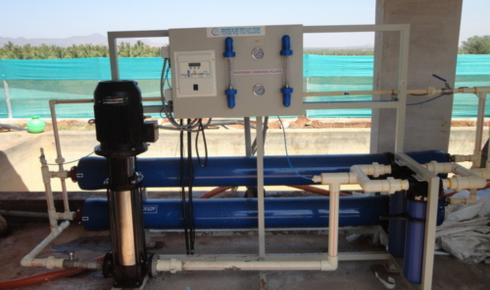
That’s when advanced RO technology started becoming more common in homes. It wasn’t just for industrial setups anymore. Suddenly, this once “technical” system became something everyday households could rely on.
And the difference it makes isn’t loud or dramatic—it’s subtle. Water that tastes cleaner. Feels lighter. Almost like it’s supposed to.
Breaking Down the Science Without Getting Too Technical
Let’s be honest—most of us don’t want a deep chemistry lesson when we’re just trying to understand our water.
But there’s one part of reverse osmosis that’s worth knowing about, because it explains almost everything: the membrane.
If you’ve ever come across semipermeable membrane info, you’ve probably seen it described as a barrier that lets certain molecules pass while blocking others. Sounds simple enough, right?
In practice, it’s incredibly precise.
Water is pushed through this membrane under pressure. The tiny pores allow water molecules to pass, but block a wide range of impurities—things like dissolved salts, bacteria, and even some heavy metals.
What comes out the other side is cleaner, more refined water.
And the best part? You don’t have to think about it once it’s working. It just happens, quietly, every time you turn on the tap.
Why Purification Isn’t Just About Drinking
When people hear the term water purification, they often think only about drinking water. And yes, that’s a big part of it.
But the impact goes beyond just what’s in your glass.
Purified water affects how your food tastes, how your beverages turn out, even how comfortable your daily routine feels. Coffee becomes smoother. Rice cooks more evenly. There’s a consistency that’s hard to explain until you experience it.
It’s not about perfection—it’s about removing the little inconsistencies that add up over time.
The Everyday Experience You Didn’t Expect
One of the most surprising things about upgrading your water system is how quickly it blends into your life.
At first, you notice the taste. It’s cleaner, maybe even a bit different than what you’re used to. But after a while, that becomes your new normal.
And then you notice other things.
You drink more water without forcing yourself. You stop buying bottled water as often. Even guests might casually mention, “This water tastes good,” without knowing why.
It’s not a dramatic transformation. It’s a quiet improvement that shows up in small, consistent ways.
Why Not All Systems Feel the Same
Here’s something worth mentioning—not all filtration systems deliver the same experience.
Some focus on basic filtration, removing larger particles and improving taste slightly. Others, like RO systems, go deeper, targeting dissolved impurities that simpler filters can’t handle.
That doesn’t mean one is always better than the other. It depends on what you need.
If your main concern is taste and odor, a basic system might be enough. But if you’re dealing with more complex water quality issues, something more advanced becomes necessary.
It’s less about choosing the “best” system and more about choosing the right one for your situation.
The Part Most People Overlook
No matter how advanced your system is, there’s one thing that determines how well it performs over time: maintenance.
Filters don’t last forever. Membranes need occasional replacement. And if you ignore those things, even the best system can start to lose effectiveness.
The good news? It’s usually simple. Regular check-ups, timely replacements, and a bit of attention go a long way.
It’s not something you need to obsess over—but it’s not something you should forget either.
Why We Don’t Think About Water Until We Do
Water is one of those things that fades into the background when it’s working properly. You don’t analyze it, question it, or even notice it.
But when something feels off, even slightly, it pulls your attention back.
That’s usually the moment people start exploring filtration—not out of fear, but out of a desire for consistency.
Because once you realize your water can be better, it’s hard to settle for “just okay.”
Starting Without Getting Lost in the Details
If all of this feels a bit overwhelming, take a step back.
You don’t need to understand every technical detail or compare every system on the market. Start with your experience. How does your water taste? Smell? Feel?
If something seems off, look into it. Get your water tested if needed. Learn just enough to make an informed decision.
From there, the right solution tends to reveal itself.
A Quiet Upgrade That Changes More Than You Expect
At the end of the day, improving your water isn’t about technology—it’s about how it fits into your life.
It’s about turning on the tap and not thinking twice. About drinking a glass of water without hesitation. About small, everyday moments that feel just a little better.
And maybe that’s the real value—not in the system itself, but in the simplicity it brings back.
Because when your water is right, everything else feels just a bit easier.