


Clean water is one of those things most of us take for granted—until something feels off. Maybe your tap water has a strange taste after heavy rain. Maybe the shower leaves your skin feeling dry, or you keep noticing chalky buildup on your faucets. These little signs often point to bigger water quality issues that many homeowners don’t think about until they become impossible to ignore.
The truth is, every home has different water challenges. What works perfectly for one family may not be the best solution for another. That’s why understanding your home’s water, instead of chasing the latest trend, is usually the smartest place to begin. After all, better water isn’t about buying the most expensive equipment. It’s about choosing the right system for your needs and maintaining it properly over time.
Every Home Has a Different Water Story
Water doesn’t arrive at every home in the same condition. Municipal water supplies are treated before distribution, but minerals, chlorine, sediment, and even aging pipes can influence what eventually flows from your kitchen tap. Homes that rely on private wells face another set of concerns, including naturally occurring minerals, iron, sulfur, and bacteria.
This is why homeowners often have completely different experiences, even when they live just a few streets apart. One family may struggle with hard water stains while another complains about unpleasant odors. Understanding these differences helps avoid unnecessary purchases and leads to better long-term results.
Instead of guessing, many experts recommend starting with a professional water analysis. It offers a clearer picture of what your household actually needs rather than what advertisements suggest.
Why Water Quality Affects More Than Drinking
When people think about cleaner water, drinking is usually the first thing that comes to mind. But your home’s water touches almost every part of daily life.
It runs through washing machines, dishwashers, coffee makers, showers, and water heaters. Hard minerals can gradually build up inside appliances, reducing efficiency and shortening their lifespan. Clothing may lose its softness, towels become stiff, and soap often refuses to lather properly.
Many homeowners don’t immediately connect these everyday frustrations with their water supply, yet the relationship is surprisingly strong. Improving water quality often brings small lifestyle improvements that become noticeable within weeks.
Choosing the Right Filtration System
There’s no universal filtration system that’s perfect for everyone. Some homes only need a simple carbon filter to improve taste and reduce chlorine. Others benefit from more advanced treatment designed to remove dissolved contaminants or mineral content.
Before investing in equipment, it’s worth thinking about your priorities. Are you mainly concerned about drinking water? Do you want cleaner water throughout the entire house? Are you trying to protect plumbing fixtures from scale buildup?
Answering these questions makes the selection process much easier and helps prevent overspending on features you’ll never actually use.
Why professional installation Makes a Difference
Buying quality equipment is only half the equation. Even an excellent filtration system can underperform if it’s installed incorrectly.
Choosing professional installation helps ensure proper plumbing connections, correct system sizing, appropriate pressure settings, and safe operation from day one. Installers also verify that every component is functioning as intended before leaving your home.
It’s a bit like buying premium tires for a car. The tires matter, of course—but proper fitting and balancing matter just as much. Water treatment equipment works in much the same way.
Understanding How water softeners Improve Everyday Living
Hard water is one of the most common household water issues across many regions. High levels of calcium and magnesium aren’t necessarily harmful to drink, but they can create frustrating problems throughout the home.
That’s where water softeners become valuable. They reduce hardness minerals before the water reaches faucets, appliances, and plumbing fixtures.
The benefits often extend beyond cleaner sinks. Many homeowners notice softer laundry, easier cleaning, reduced soap usage, and fewer mineral deposits on shower doors. Water heaters also tend to operate more efficiently when they’re not constantly battling scale buildup inside the tank.
While these improvements may seem small individually, together they can make a noticeable difference in household maintenance and comfort.
How reverse osmosis systems Deliver Cleaner Drinking Water
If your primary concern is drinking water quality, reverse osmosis systems remain one of the most effective household solutions available.
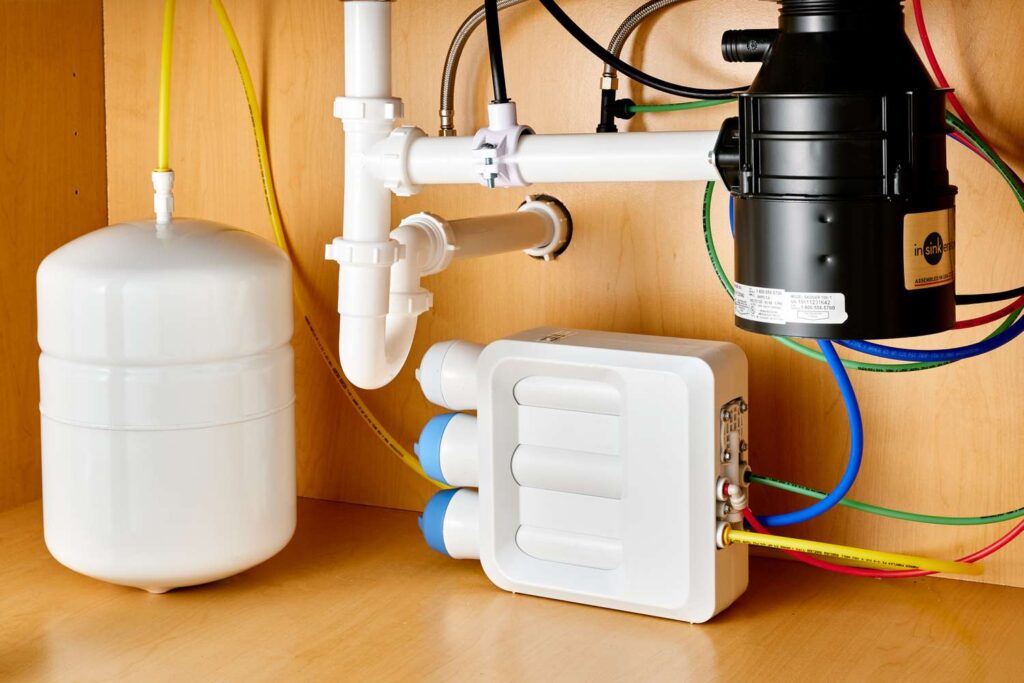
These systems push water through a semi-permeable membrane that removes many dissolved contaminants, including certain salts, heavy metals, and unwanted particles. The result is cleaner, fresher-tasting water that’s suitable for drinking, cooking, coffee, tea, and even making ice.
Many families install reverse osmosis units beneath the kitchen sink because that’s where most drinking water is used. Others pair them with whole-house treatment systems to create a more complete approach to water quality.
Like any filtration technology, routine maintenance is important. Replacing filters on schedule helps maintain performance and keeps water quality consistently high.
Maintenance Is Easier Than Most People Expect
One misconception about water treatment equipment is that it requires constant attention. In reality, most modern systems are designed to operate with very little day-to-day involvement.
Maintenance generally consists of replacing filters at recommended intervals, checking salt levels if a softener is installed, and scheduling occasional inspections when necessary.
Ignoring maintenance, however, can reduce efficiency and limit the effectiveness of the system over time. A few simple maintenance habits usually provide years of dependable performance while protecting your investment.
Thinking Long-Term Instead of Short-Term
Many homeowners compare systems only by purchase price. While budget matters, it’s equally important to consider long-term value.
Reliable equipment can reduce appliance wear, minimize plumbing repairs, improve energy efficiency, and decrease the amount of bottled water a household consumes. Those savings often accumulate gradually, making quality water treatment a worthwhile investment rather than simply another household expense.
Just as importantly, there’s the comfort of knowing the water your family uses every day has been properly treated for your home’s specific needs.
Better Water Creates a Better Home
Clean water isn’t something you think about every minute—but when it’s working well, you notice the difference in subtle ways. Coffee tastes better. Showers feel more comfortable. Appliances stay cleaner. Glassware sparkles without endless polishing.
Finding the right water treatment solution isn’t about following trends or buying the biggest system available. It’s about understanding your home’s water, choosing equipment that addresses real concerns, and maintaining it consistently over time.
In the end, better water isn’t only about what’s coming out of the tap. It’s about creating a healthier, more comfortable home where the little everyday moments become just a bit easier—and those improvements tend to add up faster than most people expect.