

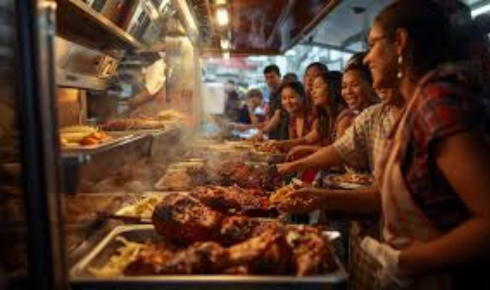

A busy BBQ setup draws people in with its aroma, but behind the scenes, there is a detailed system that keeps the food safe and the cooking environment controlled. A well-run BBQ food truck near me must balance flavor, temperature, cleanliness, and proper handling while serving crowds quickly. Understanding how these operations stay safe gives customers confidence in the barbecue they enjoy.
Temperature-controlled Holding Units Keeping Meats Safely Hot
BBQ meats must stay at safe temperatures long after they come off the smoker. Food trucks rely on regulated holding units that keep brisket, pulled pork, ribs, and chicken above minimum heat requirements to prevent bacteria growth. These units are designed to maintain stable temperatures even during peak service hours.
The consistency of these warming units protects both flavor and safety. Without temperature control, moisture levels drop, and meat becomes unsafe to serve. A catering food truck near me uses these units to ensure customers always receive hot, safe barbecue no matter how busy the day becomes.
Sanitized Prep Surfaces Maintained Throughout Service Hours
Prep surfaces inside a BBQ food truck need constant attention. Staff must sanitize tables, cutting boards, and utensils after each stage of food handling to prevent cross-contamination. This process becomes even more important in a fast-paced environment where barbecue dishes move from prep to service within minutes.
Sanitizing routines are planned throughout the day to prevent lapses during rush periods. For a BBQ food truck in Decatur AL, clean prep areas reflect the same level of care found in a full restaurant kitchen. These habits keep both staff and customers safe while preserving the quality of the finished product.
Separate Zones for Raw and Cooked Product Handling
Raw meats require their own designated spaces to avoid cross-contact with cooked dishes. Trucks lay out their interior stations in a way that prevents overlap, using color-coded containers, marked boards, and separate tools. This keeps raw juices from reaching food that is ready to serve.
A clear division of work surfaces is essential in a tight mobile kitchen. The practice ensures that cooked barbecue remains uncontaminated while staff moves efficiently through their tasks. For a catering food truck in Decatur AL, this setup helps maintain order even during high-volume events.
Daily Equipment Checks Ensuring Burners and Smokers Run Safely
Smokers, burners, and grills undergo daily inspections before service begins. Staff check lines, lids, pilot lights, and temperature gauges to ensure everything operates safely. Mechanical issues in a mobile kitchen can escalate quickly, so identifying problems early is key.
These routine checks help prevent flare-ups and maintain consistent cooking conditions. A BBQ food truck near me depends on reliable equipment to deliver authentic barbecue without safety risks interfering with the workflow. Attention to maintenance keeps the truck running smoothly day after day.
Food-grade Storage Containers Protecting Ingredients in Transit
Ingredients travel with the truck throughout the day, requiring containers that shield them from heat, moisture, and contaminants. Food-grade containers seal tightly, preventing air exposure that could spoil meats, sauces, or sides. This level of protection is especially important for barbecue, where ingredients often include raw proteins and prepared items with different temperature needs.
Quality storage also keeps flavor intact. Sauces remain rich, seasonings maintain potency, and sides stay fresh thanks to durable containers built for mobile service. A catering food truck near me uses these containers to preserve the integrity of each ingredient before it reaches the smoker or prep table.
Handwashing Stations Kept Stocked for Continuous Staff Use
Handwashing standards inside a BBQ truck must match or exceed those of a traditional kitchen. Mobile setups include sinks with running water, soap dispensers, and disposable towels to ensure staff can wash hands frequently. Regular washing is vital when handling barbecue meats, sauces, and garnishes.
Supplies must stay stocked throughout the entire service period. Staff cannot rely on a single refill for the whole day, especially during large events. A BBQ food truck in Decatur AL monitors its handwashing stations closely to support safe food handling from opening to close.
Cleaning Rotations Preventing Buildup During Busy Periods
Grease, marinade drippings, and sauce splatter accumulate quickly in a barbecue environment. To combat this, trucks follow cleaning rotations that break tasks into manageable cycles. Even during peak hours, staff pause to wipe down high-touch areas and dispose of waste before buildup becomes unsafe.
Longer cleaning sessions take place between events or after service ends. These deeper cleanings address grills, smokers, storage compartments, and prep tables to restore the truck to a safe condition. The rotation approach ensures constant control over messes that could compromise safety.
Proper Venting Systems Managing Heat and Smoke Output
Barbecue cooking produces intense heat and thick smoke that must be controlled inside a compact truck. Venting systems pull smoke upward and away from work areas, reducing fire hazards and keeping air breathable for staff. Proper ventilation also prevents excess heat from raising internal temperatures to unsafe levels. Functional vents protect both the equipment and the food. With consistent airflow, smokers burn evenly, flames stay controlled, and staff can work without discomfort. For those who want barbecue prepared with the highest level of heat safety and cleanliness, LawLers Barbecue brings skilled mobile operations that prioritize proper handling from start to finish.