[tdb_mobile_menu inline="yes" icon_color="#ffffff" icon_size="eyJhbGwiOjIyLCJwaG9uZSI6IjI3In0=" icon_padding="eyJhbGwiOjIuNSwicGhvbmUiOiIyIn0=" tdc_css="eyJwaG9uZSI6eyJtYXJnaW4tbGVmdCI6Ii0xNiIsImRpc3BsYXkiOiIifSwicGhvbmVfbWF4X3dpZHRoIjo3Njd9" menu_id="" tdicon="td-icon-menu-thin"]
[tdb_header_logo align_vert="content-vert-top" display="" align_horiz="content-horiz-center" show_title="none" show_tagline="none" tagline_align_horiz="content-horiz-left" tdc_css="eyJhbGwiOnsiZGlzcGxheSI6IiJ9LCJwb3J0cmFpdCI6eyJkaXNwbGF5IjoiIn0sInBvcnRyYWl0X21heF93aWR0aCI6MTAxOCwicG9ydHJhaXRfbWluX3dpZHRoIjo3NjgsInBob25lIjp7ImRpc3BsYXkiOiIifSwicGhvbmVfbWF4X3dpZHRoIjo3Njd9" media_size_image_height="100" media_size_image_width="300" image_width="eyJwaG9uZSI6IjE2MCJ9" image="130"]
[tdb_mobile_search inline="yes" float_right="yes" tdc_css="eyJwaG9uZSI6eyJtYXJnaW4tcmlnaHQiOiItMTgiLCJtYXJnaW4tYm90dG9tIjoiMCIsImRpc3BsYXkiOiIifSwicGhvbmVfbWF4X3dpZHRoIjo3Njd9" icon_color="#ffffff" tdicon="td-icon-magnifier-medium-short-light"]
[tdb_header_weather icon_color="#000000" temp_color="#000000" loc_color="#000000" inline="yes" tdc_css="eyJhbGwiOnsibWFyZ2luLXRvcCI6Ii00IiwibWFyZ2luLXJpZ2h0IjoiMzAiLCJkaXNwbGF5IjoiIn0sInBvcnRyYWl0Ijp7Im1hcmdpbi1yaWdodCI6IjE1IiwiZGlzcGxheSI6IiJ9LCJwb3J0cmFpdF9tYXhfd2lkdGgiOjEwMTgsInBvcnRyYWl0X21pbl93aWR0aCI6NzY4fQ==" unit_color="#000000" f_temp_font_family="712" f_unit_font_family="712" f_loc_font_family="712" f_temp_font_size="11" f_unit_font_size="9" f_loc_font_size="11" f_temp_font_weight="500" f_unit_font_weight="500" f_loc_font_weight="500" f_temp_font_line_height="1" f_unit_font_line_height="1" f_loc_font_line_height="1" location="New York" api="c396e133ca2ab7dfa7cffcf66e07ca35"][tdb_header_date inline="yes" date_color="#000000" tdc_css="eyJhbGwiOnsibWFyZ2luLXJpZ2h0IjoiMzAiLCJkaXNwbGF5IjoiIn0sInBvcnRyYWl0Ijp7Im1hcmdpbi1yaWdodCI6IjE1IiwiZGlzcGxheSI6IiJ9LCJwb3J0cmFpdF9tYXhfd2lkdGgiOjEwMTgsInBvcnRyYWl0X21pbl93aWR0aCI6NzY4fQ==" f_date_font_family="712" f_date_font_size="11" f_date_font_weight="500" f_date_font_line_height="1"]
[tdb_header_logo align_vert="content-vert-top" display="" align_horiz="content-horiz-center" show_title="none" show_tagline="none" tagline_align_horiz="content-horiz-left" tdc_css="eyJhbGwiOnsiZGlzcGxheSI6IiJ9LCJsYW5kc2NhcGUiOnsibWFyZ2luLXJpZ2h0IjoiLTMwIiwibWFyZ2luLWxlZnQiOiItMjAiLCJkaXNwbGF5IjoiIn0sImxhbmRzY2FwZV9tYXhfd2lkdGgiOjExNDAsImxhbmRzY2FwZV9taW5fd2lkdGgiOjEwMTksInBvcnRyYWl0Ijp7Im1hcmdpbi1yaWdodCI6Ii0xMCIsIm1hcmdpbi1sZWZ0IjoiLTUiLCJkaXNwbGF5IjoiIn0sInBvcnRyYWl0X21heF93aWR0aCI6MTAxOCwicG9ydHJhaXRfbWluX3dpZHRoIjo3Njh9" media_size_image_height="100" media_size_image_width="300" image="130"]
[tdb_header_menu main_sub_tdicon="td-icon-down" sub_tdicon="td-icon-right-arrow" mm_align_horiz="content-horiz-center" modules_on_row_regular="20%" modules_on_row_cats="20%" image_size="td_324x400" modules_category="above" show_excerpt="none" show_com="none" show_date="none" show_author="none" mm_sub_align_horiz="content-horiz-right" mm_elem_align_horiz="content-horiz-center" mm_align_screen="yes" f_elem_font_size="eyJhbGwiOiIxMyIsInBvcnRyYWl0IjoiMTAifQ==" elem_padd="eyJwb3J0cmFpdCI6IjAgMTBweCIsImFsbCI6IjAgMTJweCJ9" menu_id="13" text_color="#ffffff" tds_menu_active="tds_menu_active3" f_elem_font_line_height="eyJhbGwiOiI0OHB4IiwicG9ydHJhaXQiOiI0MHB4In0=" f_elem_font_family="712" f_elem_font_transform="capitalize" f_elem_font_weight="400" f_elem_font_spacing="0.4" tdc_css="eyJhbGwiOnsibWFyZ2luLWxlZnQiOiItMTAiLCJkaXNwbGF5IjoiIn0sInBvcnRyYWl0Ijp7ImRpc3BsYXkiOiIifSwicG9ydHJhaXRfbWF4X3dpZHRoIjoxMDE4LCJwb3J0cmFpdF9taW5fd2lkdGgiOjc2OH0=" main_sub_icon_size="eyJhbGwiOiIxMCIsInBvcnRyYWl0IjoiOSJ9" tds_menu_active3-bg_color="#000000" f_sub_elem_font_family="712" f_sub_elem_font_size="12" mm_shadow_shadow_size="20" mm_shadow_shadow_color="rgba(0,0,0,0.15)" sub_shadow_shadow_size="10" sub_shadow_shadow_offset_horizontal="0" sub_shadow_shadow_offset_vertical="2" sub_shadow_shadow_color="rgba(0,0,0,0.15)" mm_shadow_shadow_offset_vertical="4" sub_first_left="-15" sub_rest_top="-15" sub_padd="10px 0 15px" sub_elem_padd="5px 20px" align_horiz="content-horiz-center" main_sub_icon_align="eyJhbGwiOjEsInBvcnRyYWl0IjoiMCJ9" f_sub_elem_font_weight="500" mm_child_cats="10" main_sub_icon_space="eyJwb3J0cmFpdCI6IjUifQ==" show_mega_cats="yes" sub_text_color="#000000" tds_menu_sub_active1-sub_text_color_h="#008d7f" mm_border_size="0" mm_elem_border="0" mm_elem_border_a="0" mm_sub_width="100%" mm_elem_padd="eyJhbGwiOiI1cHggMTVweCIsInBvcnRyYWl0IjoiM3B4IDEycHgifQ==" modules_gap="eyJhbGwiOiIxNSIsInBvcnRyYWl0IjoiNyJ9" all_modules_space="0" mm_sub_padd="eyJhbGwiOiI1cHggMCAxNXB4ICIsInBvcnRyYWl0IjoiM3B4IDAgMTJweCAifQ==" mm_width="eyJhbGwiOiIxMTY0IiwibGFuZHNjYXBlIjoiMTAwJSIsInBvcnRyYWl0IjoiMTAwJSJ9" mm_padd="eyJhbGwiOiIyNSIsImxhbmRzY2FwZSI6IjIwIiwicG9ydHJhaXQiOiIxNSJ9" mm_sub_inline="yes" mm_sub_border="0" mm_subcats_posts_limit="5" mm_subcats_bg="#ffffff" meta_info_horiz="content-horiz-center" meta_padding="eyJhbGwiOiIxNXB4IDVweCAwIDVweCIsInBvcnRyYWl0IjoiMTJweCAwIDAgMCJ9" modules_category_padding="0" art_title="eyJhbGwiOiIxMHB4IDAgMCAwIiwicG9ydHJhaXQiOiI4cHggMCAwIDAifQ==" art_excerpt="0" f_mm_sub_font_family="712" f_mm_sub_font_size="eyJhbGwiOiIxMyIsInBvcnRyYWl0IjoiMTEifQ==" f_mm_sub_font_line_height="1.2" f_mm_sub_font_weight="500" title_txt_hover="#008d7f" title_txt="#000000" mm_elem_color_a="#008d7f" cat_bg="rgba(255,255,255,0)" cat_bg_hover="rgba(255,255,255,0)" cat_txt="#000000" cat_txt_hover="#008d7f" pag_h_bg="#008d7f" pag_h_border="#008d7f" f_title_font_family="712" f_title_font_size="eyJhbGwiOiIxNSIsInBvcnRyYWl0IjoiMTEifQ==" f_title_font_line_height="1.2" f_title_font_weight="500" f_cat_font_size="eyJhbGwiOiIxMyIsInBvcnRyYWl0IjoiMTEifQ==" f_cat_font_line_height="1" f_cat_font_weight="400" f_cat_font_transform="uppercase" pag_icons_size="eyJwb3J0cmFpdCI6IjYifQ==" mc1_title_tag="p"]
[tdb_header_search results_msg_align="content-horiz-center" image_floated="float_left" image_width="30" image_size="td_324x400" show_cat="none" show_btn="none" show_date="" show_review="none" show_com="none" show_excerpt="none" show_author="none" meta_padding="0 0 0 15px" art_title="0 0 5px" all_modules_space="15" tdc_css="eyJhbGwiOnsiZGlzcGxheSI6IiJ9fQ==" form_align="content-horiz-right" icon_color="#ffffff" icon_size="eyJhbGwiOiIxOCIsInBvcnRyYWl0IjoiMTQifQ==" icon_padding="eyJhbGwiOjIuNiwicG9ydHJhaXQiOiIyLjgifQ==" tdicon="td-icon-magnifier-medium-short-light" show_form="yes" form_border_color="#dd3333" arrow_color="#dd3333" form_shadow_shadow_size="10" form_shadow_shadow_color="rgba(0,0,0,0.12)" f_input_font_family="712" f_input_font_weight="400" f_btn_font_family="712" f_btn_font_weight="400" f_input_font_size="13" f_placeholder_font_family="712" f_placeholder_font_weight="400" f_placeholder_font_size="13" f_btn_font_size="13" f_results_msg_font_family="712" f_results_msg_font_size="11" f_title_font_family="712" f_title_font_size="13" f_title_font_line_height="1.2" f_meta_font_family="712" f_meta_font_size="11" f_meta_font_line_height="1" title_txt_hover="#008d7f" btn_bg_h="eyJ0eXBlIjoiZ3JhZGllbnQiLCJjb2xvcjEiOiIjMDA4ZDdmIiwiY29sb3IyIjoiIzAwOGQ3ZiIsIm1peGVkQ29sb3JzIjpbXSwiZGVncmVlIjoiLTkwIiwiY3NzIjoiYmFja2dyb3VuZC1jb2xvcjogIzAwOGQ3ZjsiLCJjc3NQYXJhbXMiOiIwZGVnLCMwMDhkN2YsIzAwOGQ3ZiJ9" modules_gap="0" image_height="80" meta_info_align="center" results_msg_color_h="#008d7f"]
Home Blog

Finding the Real Source of a Plumbing Leak Without Guesswork

0

A plumbing leak rarely arrives at a convenient time. Maybe you notice a damp patch on the wall before breakfast, hear water running when every tap is turned off, or open the monthly bill and wonder how the household suddenly used so much water.

The frustrating part is that the place where you see the water isn’t always where the problem started. Pipes can run behind walls, under floors, and beneath concrete, allowing water to travel before it finally becomes visible.

That’s why proper leak detection matters. Finding the source first can make the repair simpler, reduce unnecessary damage, and help you understand what actually went wrong.

Why Plumbing Leaks Can Be Deceptive

A leaking pipe under a kitchen sink is easy enough to spot. A pipe hidden inside a wall is a different animal.

Water naturally follows gravity and can move through insulation, framing, flooring, and other materials. By the time a stain appears on your ceiling, the actual leak might be several feet away.

This is why randomly opening walls isn’t always a good idea. You could remove perfectly good drywall and still miss the damaged pipe.

Professional inspection helps locate the source before repair work begins. That simple step can prevent a lot of unnecessary mess.

Look for the Warning Signs

Your home often gives you clues before a leak becomes obvious.

Watch for peeling paint, bubbling drywall, warped flooring, damp cabinets, musty smells, or unexplained stains. You may also hear faint dripping or running-water sounds when all fixtures are turned off.

Another clue is a sudden increase in your water bill. If your daily habits haven’t changed but water consumption has climbed noticeably, there could be a leak somewhere in the system.

Low water pressure can also be worth investigating, particularly when it appears alongside other symptoms. It doesn’t automatically mean a leak, but unusual changes deserve attention.

Why Accurate Detection Can Save Money

It’s tempting to think that leak detection is an unnecessary extra expense. In reality, accurate diagnosis can sometimes save money by preventing the wrong repair.

Imagine a damp patch appearing near a bathroom. You assume the toilet is leaking, remove flooring around it, and find nothing. Now you’ve created additional repair work while the original leak continues.

A professional can assess the surrounding system, use appropriate detection methods, and narrow down the most likely location.

The goal isn’t to make the process sound fancy. It’s simply to avoid paying for repairs you don’t actually need.

Understanding Upfront Pricing

When you’re hiring someone to investigate a hidden plumbing issue, it’s reasonable to ask about upfront pricing.

Find out whether there is a diagnostic fee, what that fee covers, and whether repair costs are separate. If additional work is recommended, ask for an explanation before agreeing to it.

Good communication matters, especially when you’re already worried about possible water damage. You shouldn’t have to guess what you’re paying for.

Pricing can vary depending on the property’s construction, the location of the plumbing, and the equipment required. That’s normal. What matters is that the costs are explained clearly rather than appearing unexpectedly on the final invoice.

Different Leaks Need Different Approaches

Not every leak can be found with the same technique.

Professionals may use acoustic listening equipment to identify the sound of escaping water. Infrared tools can sometimes reveal temperature differences associated with moisture or hot-water leaks. Moisture meters can help identify damp areas, while pressure testing may provide additional information about the condition of a water line.

The right approach depends on the property and the plumbing system.

A skilled technician doesn’t simply rely on one device. They combine the available clues and use their experience to determine where further investigation makes sense.

Slab Leaks Require Extra Attention

A leak beneath a concrete slab can be particularly challenging. The pipe is hidden below the surface, and water may appear in a completely different location.

Homeowners might notice warm flooring, unexplained moisture, low water pressure, or the sound of running water despite everything being turned off.

If you suspect a slab leak, don’t ignore it. Continuing water loss can lead to more extensive property problems, and accessing the pipe may require specialized repair techniques.

The earlier the location is identified, the more confidently the next step can be planned.

Prevention Tips for Homeowners

You can’t prevent every plumbing failure, but a few prevention tips can reduce the chances of major surprises.

Check exposed pipes occasionally for corrosion, moisture, or damaged connections. Keep an eye on your water bill and pay attention to unexplained changes. Don’t ignore toilets that constantly run or faucets that drip for weeks.

It’s also smart to know where your main water shut-off valve is located. If a major pipe suddenly fails, being able to stop the water quickly can make a huge difference.

For older properties, periodic professional inspections may also be worthwhile, especially if you’ve experienced several leaks in a relatively short period.

Don’t Confuse the Symptom With the Problem

One of the biggest mistakes homeowners can make is fixing what they can see without finding out why it happened.

A damaged fitting might be the visible problem, but corrosion elsewhere could indicate that another section is approaching failure. A recurring drain backup might point to a deeper obstruction rather than a simple clog.

Good plumbing work looks beyond the immediate symptom.

That doesn’t mean every small leak requires a complete plumbing overhaul. Sometimes a straightforward repair is exactly what the property needs. The important thing is making that decision based on evidence rather than guesswork.

A Little Investigation Can Prevent a Big Headache

Hidden plumbing problems are frustrating because they’re easy to ignore until they become impossible to miss.

If you notice damp spots, strange sounds, unusual odors, pressure changes, or unexplained water usage, pay attention. These signs don’t guarantee that you have a serious leak, but they give you a reason to investigate.

Finding the source accurately, understanding the repair options, and knowing the cost before work begins can make the entire process less stressful.

Your plumbing system spends most of its life out of sight. When something starts behaving differently, don’t wait for the water to tell the whole story. A careful inspection today may save you from a much bigger repair tomorrow.

Why Cleaner Indoor Air Is One of the Best Investments You Can Make for Your Home

0

Home Should Feel Like a Place to Breathe Easy

There’s something comforting about walking through your front door after a long day. You expect your home to feel calm, clean, and welcoming. Yet many homeowners are surprised to learn that the air inside a house can sometimes contain more pollutants than the air outside.

Dust, pet dander, pollen, cooking particles, mold spores, and even tiny particles released by furniture or cleaning products can quietly circulate through your living spaces every day. Because these pollutants are often invisible, it’s easy to forget they’re there.

The good news is that improving indoor air doesn’t require complicated changes. A few thoughtful upgrades can make your home feel noticeably fresher while supporting better everyday comfort.

The Air Inside Changes More Than You Think

Indoor air is constantly moving.

Every time someone opens a door, cooks dinner, vacuums the floor, lights a candle, or even walks across a carpet, tiny particles become airborne. Add pets, seasonal pollen, humidity, or smoke from nearby wildfires, and the air inside your home can quickly become more crowded than most people realize.

This doesn’t mean every house has unhealthy air. It simply means that indoor environments deserve the same attention we already give to clean drinking water, safe electrical systems, and reliable heating and cooling.

Paying attention to the air you breathe is simply another part of caring for your home.

Why Better Air Quality Makes Everyday Life More Comfortable

People often think cleaner air is only important for allergy sufferers.

While allergies certainly matter, improved air quality benefits almost everyone. Less airborne dust means furniture stays cleaner longer. Rooms often smell fresher, and many homeowners notice that their HVAC system doesn’t seem to circulate stale air as frequently.

Better air also creates a more pleasant atmosphere for children, older adults, visitors, and pets who spend much of their time indoors.

Comfort isn’t always about temperature alone. The quality of the air surrounding you plays a surprisingly important role.

Modern Air Solutions Have Come a Long Way

Years ago, improving indoor air often meant relying on portable filters that treated only one room.

Today, air purification systems can work alongside existing heating and cooling equipment to help remove airborne particles throughout the entire home. Depending on the system, they may capture dust, pollen, pet dander, smoke particles, and other contaminants before they continue circulating through your living spaces.

Many operate quietly in the background, requiring little day-to-day attention while consistently supporting cleaner indoor air.

It’s one of those upgrades that quickly becomes part of everyday life without constantly reminding you it’s there.

Your HVAC System Does More Than Heat and Cool

Most homeowners think of their HVAC system as something that simply controls temperature.

In reality, it also circulates air through every room.

Dirty filters, neglected maintenance, or poor airflow can allow dust and other particles to continue moving throughout the house. Replacing filters regularly is one of the easiest and most affordable ways to improve indoor air quality.

Professional inspections can also identify airflow issues, clogged components, or humidity concerns that affect both comfort and system efficiency.

Sometimes improving air quality starts with taking better care of the equipment you already own.

Every Home Has Different Air Quality Needs

No two households are exactly alike.

A home with multiple pets has different challenges than one occupied by a retired couple. Families with young children may prioritize allergen reduction, while homeowners in humid regions often focus on controlling moisture to discourage mold growth.

That’s why the best home comfort solutions aren’t one-size-fits-all. They combine proper filtration, balanced humidity, regular HVAC maintenance, and air purification based on the unique conditions inside each home.

Understanding your specific needs almost always produces better results than simply purchasing the newest product on the market.

Small Habits Can Support Cleaner Air

Technology certainly helps, but daily habits matter too.

Keeping air vents unobstructed, vacuuming with a quality filter, reducing indoor clutter that collects dust, replacing HVAC filters on schedule, and controlling indoor humidity all contribute to a fresher living environment.

Opening windows during pleasant weather can also improve ventilation when outdoor air quality allows.

None of these habits require major effort. Together, however, they create noticeable improvements that support cleaner indoor living over time.

Clean Air Helps More Than You Can See

Many benefits of better indoor air aren’t immediately visible.

You may simply notice that rooms feel fresher, odors disappear more quickly, or dust doesn’t seem to return as fast after cleaning. Some families find they sleep more comfortably or spend less time wiping surfaces covered with fine particles.

These aren’t dramatic overnight transformations. They’re gradual improvements that quietly enhance everyday life without demanding attention.

That’s often the hallmark of worthwhile home upgrades.

Creating a Space That Supports Well-Being

The goal isn’t simply removing dust from the air.

It’s creating a healthier home environment where every room feels comfortable, inviting, and enjoyable to spend time in. Clean air contributes to that feeling in subtle but meaningful ways, supporting everything from family gatherings to peaceful evenings spent relaxing after work.

Whether you’re cooking dinner, helping children with homework, working remotely, or enjoying a quiet weekend, the quality of your indoor environment influences how comfortable your home truly feels.

Fresh air isn’t a luxury. It’s part of what makes a house feel like home.

Better Air Is an Investment You’ll Appreciate Every Day

Unlike a kitchen remodel or a fresh coat of paint, cleaner indoor air isn’t something guests immediately notice. Yet it may be one of the most valuable improvements you can make.

Better filtration, proper HVAC maintenance, balanced humidity, and modern air purification work together to reduce airborne pollutants while creating a more pleasant indoor atmosphere for everyone who lives there.

The beauty of these improvements is that they quietly do their job in the background. You don’t have to think about them every day to enjoy the benefits.

When you invest in cleaner indoor air, you’re investing in daily comfort, long-term well-being, and a home that feels healthier from the moment you walk through the front door. Those are benefits that continue long after the installation is complete, making every breath inside your home just a little fresher and every day a little more comfortable.

Why the Best Water Treatment System Is About More Than Just the Equipment

0

Buying a water treatment system often starts with a simple goal: better water. Maybe you’ve noticed a chlorine smell when filling a glass from the kitchen sink, stubborn white spots on clean dishes, or mineral buildup around your faucets that seems to return no matter how often you scrub it away. These everyday annoyances usually spark the same thought—there has to be a better solution.

And there is.

What many homeowners discover, though, is that choosing the right equipment is only part of the story. Even the most advanced filtration system can fall short if it isn’t matched to your home’s water conditions or installed correctly. Great water doesn’t happen by accident. It comes from good planning, quality equipment, and proper installation working together.

When all three come together, the difference is something you’ll notice every single day.

Every Home Has Different Water Needs

One reason water treatment can feel confusing is that no two homes are exactly alike.

A family connected to a municipal water supply may want to reduce chlorine taste and odor, while another relying on a private well could be dealing with iron, sulfur, sediment, or naturally occurring minerals. Even neighboring homes sometimes experience different water quality because of plumbing materials, groundwater conditions, or the age of local infrastructure.

That’s why the most effective solution isn’t necessarily the biggest or most expensive system. It’s the one designed specifically for your water.

Professional water testing is often the smartest place to begin because it replaces assumptions with real information.

Why professional installation Makes Such a Difference

Installing a filtration system might seem straightforward at first glance, but there are plenty of details that influence long-term performance.

Water pressure, plumbing configuration, drain connections, bypass valves, flow direction, and system calibration all play an important role. Missing just one of those details can affect efficiency or even shorten the lifespan of the equipment.

That’s where professional installation  becomes valuable.

Experienced technicians understand how to integrate filtration equipment into existing plumbing while ensuring everything operates according to manufacturer specifications. They also test the system after installation, check for leaks, verify water pressure, and explain routine maintenance requirements.

That attention to detail helps homeowners avoid problems that might otherwise appear months or even years later.

Better Water Improves More Than Drinking

People naturally associate filtration with drinking water, but its benefits extend far beyond the kitchen faucet.

Cleaner water supports cooking, showering, washing clothes, cleaning dishes, and operating household appliances.

Many homeowners notice their coffee tastes smoother.

Soap rinses more easily.

Shower doors develop fewer mineral spots.

Laundry feels softer.

Bathrooms often require less scrubbing because mineral buildup becomes less noticeable.

These aren’t dramatic changes overnight, but together they make everyday routines feel easier and more enjoyable.

Sometimes the biggest improvements are the ones you stop thinking about because they’ve simply become normal.

Thinking Beyond Drinking Water

A quality water treatment system protects much more than the glass you drink from.

Water flows through every faucet, appliance, shower, and plumbing fixture inside the home. If minerals, sediment, or chlorine are affecting the incoming supply, those effects are felt throughout the house.

That’s why many homeowners choose systems designed to deliver complete home protection instead of treating water at only one location.

Whole-home treatment allows showers, washing machines, dishwashers, water heaters, and kitchen faucets to benefit from improved water quality simultaneously.

It creates consistency, which is something families appreciate every single day without needing to think about it.

Technology Has Come a Long Way

Modern filtration systems are far more capable than the simple filters many homeowners remember from years ago.

Today’s equipment often combines multiple stages of treatment depending on local water conditions. Carbon filtration, water softening, sediment removal, ultraviolet purification, reverse osmosis, and specialized media can all work together when necessary.

The result is a treatment strategy built around actual water quality instead of one universal solution.

Professional testing helps determine exactly which technologies make sense for each household.

There’s no reason to pay for equipment you don’t need, but it’s equally important not to overlook treatment that would genuinely improve your water.

Why advanced water treatment Is Worth Considering

Modern advanced water treatment  systems are designed to solve multiple water quality challenges while remaining surprisingly easy to maintain.

Rather than focusing on just one issue, these systems can be configured to address hardness, chlorine, sediment, unpleasant odors, dissolved minerals, and other water characteristics identified through professional testing.

The goal isn’t to make water treatment more complicated.

It’s to make it more effective.

When equipment is carefully matched to your home’s water profile, homeowners typically experience better performance, fewer maintenance concerns, and more reliable results over the long term.

That’s one reason professionally designed systems continue gaining popularity among homeowners who want dependable solutions instead of temporary fixes.

Maintenance Doesn’t Have to Be Complicated

One concern many people have before installing a water treatment system is ongoing maintenance.

Fortunately, most modern systems require relatively little attention.

Filters are replaced according to manufacturer recommendations, water softeners receive periodic salt refills when applicable, and occasional inspections help ensure everything continues operating efficiently.

These simple maintenance habits help preserve water quality while extending equipment life.

Compared to the cost of replacing plumbing fixtures, water heaters, or appliances damaged by untreated water, routine maintenance is a small investment.

Investing in Better Water Is Really an Investment in Your Home

Water treatment isn’t just about improving taste.

It’s about protecting the systems your home depends on every day.

Appliances last longer when mineral buildup is reduced.

Fixtures stay cleaner.

Plumbing experiences less scaling.

Daily cleaning often becomes easier.

Families enjoy greater confidence when preparing meals, making coffee, or filling reusable water bottles.

These benefits quietly add value year after year.

Unlike cosmetic home upgrades that are admired occasionally, better water becomes part of nearly every daily routine.

Better Water Creates a Better Everyday Experience

Homeowners often spend considerable time choosing flooring, paint colors, kitchen appliances, and furniture. Yet water is something the entire household uses dozens of times every day.

Improving it may not be the most glamorous home upgrade, but it can easily become one of the most rewarding.

When the right equipment is combined with accurate water testing, thoughtful system design, and skilled installation, the result isn’t just cleaner water—it’s a more comfortable, efficient, and enjoyable home.

Sometimes the best improvements aren’t the ones that draw attention. They’re the ones quietly working behind the scenes, making everyday life a little easier each time someone turns on the faucet.

# Why Better Water at Home Starts With the Right Filtration Choices

0

Clean water is one of those things most of us take for granted—until something feels off. Maybe your tap water has a strange taste after heavy rain. Maybe the shower leaves your skin feeling dry, or you keep noticing chalky buildup on your faucets. These little signs often point to bigger water quality issues that many homeowners don’t think about until they become impossible to ignore.

The truth is, every home has different water challenges. What works perfectly for one family may not be the best solution for another. That’s why understanding your home’s water, instead of chasing the latest trend, is usually the smartest place to begin. After all, better water isn’t about buying the most expensive equipment. It’s about choosing the right system for your needs and maintaining it properly over time.

Every Home Has a Different Water Story

Water doesn’t arrive at every home in the same condition. Municipal water supplies are treated before distribution, but minerals, chlorine, sediment, and even aging pipes can influence what eventually flows from your kitchen tap. Homes that rely on private wells face another set of concerns, including naturally occurring minerals, iron, sulfur, and bacteria.

This is why homeowners often have completely different experiences, even when they live just a few streets apart. One family may struggle with hard water stains while another complains about unpleasant odors. Understanding these differences helps avoid unnecessary purchases and leads to better long-term results.

Instead of guessing, many experts recommend starting with a professional water analysis. It offers a clearer picture of what your household actually needs rather than what advertisements suggest.

Why Water Quality Affects More Than Drinking

When people think about cleaner water, drinking is usually the first thing that comes to mind. But your home’s water touches almost every part of daily life.

It runs through washing machines, dishwashers, coffee makers, showers, and water heaters. Hard minerals can gradually build up inside appliances, reducing efficiency and shortening their lifespan. Clothing may lose its softness, towels become stiff, and soap often refuses to lather properly.

Many homeowners don’t immediately connect these everyday frustrations with their water supply, yet the relationship is surprisingly strong. Improving water quality often brings small lifestyle improvements that become noticeable within weeks.

Choosing the Right Filtration System

There’s no universal filtration system that’s perfect for everyone. Some homes only need a simple carbon filter to improve taste and reduce chlorine. Others benefit from more advanced treatment designed to remove dissolved contaminants or mineral content.

Before investing in equipment, it’s worth thinking about your priorities. Are you mainly concerned about drinking water? Do you want cleaner water throughout the entire house? Are you trying to protect plumbing fixtures from scale buildup?

Answering these questions makes the selection process much easier and helps prevent overspending on features you’ll never actually use.

Why professional installation Makes a Difference

Buying quality equipment is only half the equation. Even an excellent filtration system can underperform if it’s installed incorrectly.

Choosing professional installation helps ensure proper plumbing connections, correct system sizing, appropriate pressure settings, and safe operation from day one. Installers also verify that every component is functioning as intended before leaving your home.

It’s a bit like buying premium tires for a car. The tires matter, of course—but proper fitting and balancing matter just as much. Water treatment equipment works in much the same way.

Understanding How water softeners Improve Everyday Living

Hard water is one of the most common household water issues across many regions. High levels of calcium and magnesium aren’t necessarily harmful to drink, but they can create frustrating problems throughout the home.

That’s where water softeners become valuable. They reduce hardness minerals before the water reaches faucets, appliances, and plumbing fixtures.

The benefits often extend beyond cleaner sinks. Many homeowners notice softer laundry, easier cleaning, reduced soap usage, and fewer mineral deposits on shower doors. Water heaters also tend to operate more efficiently when they’re not constantly battling scale buildup inside the tank.

While these improvements may seem small individually, together they can make a noticeable difference in household maintenance and comfort.

How reverse osmosis systems Deliver Cleaner Drinking Water

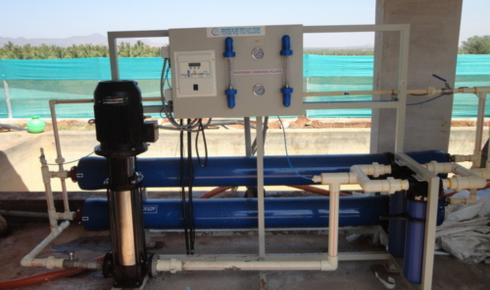
If your primary concern is drinking water quality, reverse osmosis systems remain one of the most effective household solutions available.

These systems push water through a semi-permeable membrane that removes many dissolved contaminants, including certain salts, heavy metals, and unwanted particles. The result is cleaner, fresher-tasting water that’s suitable for drinking, cooking, coffee, tea, and even making ice.

Many families install reverse osmosis units beneath the kitchen sink because that’s where most drinking water is used. Others pair them with whole-house treatment systems to create a more complete approach to water quality.

Like any filtration technology, routine maintenance is important. Replacing filters on schedule helps maintain performance and keeps water quality consistently high.

Maintenance Is Easier Than Most People Expect

One misconception about water treatment equipment is that it requires constant attention. In reality, most modern systems are designed to operate with very little day-to-day involvement.

Maintenance generally consists of replacing filters at recommended intervals, checking salt levels if a softener is installed, and scheduling occasional inspections when necessary.

Ignoring maintenance, however, can reduce efficiency and limit the effectiveness of the system over time. A few simple maintenance habits usually provide years of dependable performance while protecting your investment.

Thinking Long-Term Instead of Short-Term

Many homeowners compare systems only by purchase price. While budget matters, it’s equally important to consider long-term value.

Reliable equipment can reduce appliance wear, minimize plumbing repairs, improve energy efficiency, and decrease the amount of bottled water a household consumes. Those savings often accumulate gradually, making quality water treatment a worthwhile investment rather than simply another household expense.

Just as importantly, there’s the comfort of knowing the water your family uses every day has been properly treated for your home’s specific needs.

Better Water Creates a Better Home

Clean water isn’t something you think about every minute—but when it’s working well, you notice the difference in subtle ways. Coffee tastes better. Showers feel more comfortable. Appliances stay cleaner. Glassware sparkles without endless polishing.

Finding the right water treatment solution isn’t about following trends or buying the biggest system available. It’s about understanding your home’s water, choosing equipment that addresses real concerns, and maintaining it consistently over time.

In the end, better water isn’t only about what’s coming out of the tap. It’s about creating a healthier, more comfortable home where the little everyday moments become just a bit easier—and those improvements tend to add up faster than most people expect.

AC Repair: Keeping Your Cooling System Efficient and Reliable

0

Introduction

Air conditioners play a vital role in maintaining indoor comfort, especially during hot summer months. Whether in homes, offices, or commercial spaces, a properly functioning AC system ensures a cool and pleasant environment. However, like any mechanical equipment, air conditioners can develop problems over time. Professional AC repair services help restore performance, improve energy efficiency, and extend the lifespan of your cooling system.

Why AC Systems Need Regular Attention

An air conditioner works continuously to regulate indoor temperatures. Constant operation can lead to wear and tear of components such as compressors, fans, filters, and refrigerant lines. Dust accumulation, electrical issues, and aging parts may reduce efficiency and cause unexpected breakdowns.

Routine inspections and timely repairs help identify minor issues before they become costly problems. This proactive approach ensures uninterrupted cooling and better system performance.

Common Signs Your Air Conditioner Needs Repair

Recognizing early warning signs can help prevent major failures. Some common indicators include:

  • Weak airflow from vents
  • Unusual noises during operation
  • Warm air instead of cool air
  • Frequent cycling on and off
  • Water leakage around the unit
  • Higher energy bills

If any of these symptoms occur, it is advisable to schedule professional maintenance as soon as possible.

Importance of Professional AC Repair

When cooling systems malfunction, professional AC Repair services provide the expertise needed to diagnose and resolve issues accurately. Certified technicians have the tools and knowledge required to inspect electrical components, refrigerant levels, thermostats, and mechanical parts.

Professional repairs not only restore cooling performance but also help improve energy efficiency and system reliability. Attempting complex repairs without proper training can lead to additional damage and increased costs.

Benefits of Timely Repairs

Addressing AC problems promptly offers several advantages. First, it prevents small issues from developing into major system failures. Second, it helps maintain optimal cooling performance throughout the year.

Timely repairs can also reduce energy consumption. A properly functioning air conditioner requires less power to cool indoor spaces, resulting in lower utility bills and reduced environmental impact.

Common AC Problems and Solutions

Several issues commonly affect air conditioning systems. Refrigerant leaks can reduce cooling capacity and strain the compressor. Dirty air filters restrict airflow and force the unit to work harder.

Electrical failures may cause the system to stop operating entirely, while clogged drain lines can result in water leakage. Professional technicians can quickly identify these problems and implement effective solutions to restore performance.

The Role of Preventive Maintenance

Preventive maintenance is one of the best ways to avoid unexpected breakdowns. Regular inspections include cleaning filters, checking refrigerant levels, examining electrical connections, and inspecting moving components.

Scheduled maintenance improves efficiency, enhances indoor air quality, and extends the life of the air conditioning system. Property owners who invest in maintenance often experience fewer repairs and lower operating costs.

Improving Energy Efficiency

An efficient air conditioner cools spaces effectively while consuming less energy. Dirty coils, blocked airflow, and malfunctioning components can significantly reduce efficiency.

Repairing these issues ensures the system operates at peak performance. Improved efficiency not only lowers electricity bills but also contributes to environmental sustainability by reducing energy consumption.

Choosing the Right Service Provider

Selecting a reliable AC repair company is essential for quality results. Look for technicians with experience, certifications, and positive customer reviews. A reputable service provider should offer transparent pricing, prompt service, and comprehensive diagnostics.

Professional companies also provide maintenance recommendations to help customers maximize the performance of their cooling systems.

Long-Term Value of Cooling System Maintenance

Investing in Cooling System Maintenance delivers long-term benefits for homeowners and businesses. Regular servicing helps prevent expensive breakdowns, improves comfort, and extends equipment lifespan. Well-maintained systems operate more efficiently and provide consistent cooling even during peak summer temperatures.

Additionally, maintenance helps protect manufacturer warranties and reduces the likelihood of emergency repair expenses.

Conclusion

Air conditioners are essential for maintaining indoor comfort and productivity. Regular inspections, timely repairs, and preventive maintenance ensure reliable performance throughout the year. Professional AC repair services help address issues quickly, improve efficiency, and extend equipment life.

By investing in quality maintenance and expert repairs, property owners can enjoy dependable cooling, reduced energy costs, and a comfortable indoor environment for years to come.

Hall Encoder, Electronic Components Shop Near Me, and Peltier Module: Essential Tools for Electronics Innovation

0

Introduction

The world of electronics is constantly evolving, bringing innovative components that help engineers, students, and hobbyists create advanced projects. Among the most useful technologies are hall encoder, electronic components suppliers, and Peltier modules. These components play important roles in automation, sensing, cooling systems, and robotics. Understanding their features and applications can help individuals develop efficient and reliable electronic solutions for various industries and educational projects.

What Is a Hall Encoder?

A hall encoder is an electronic device that uses the Hall Effect principle to detect the position, speed, and direction of rotating objects. It works by sensing magnetic fields and converting them into electrical signals that can be processed by controllers and microprocessors.

The popularity of the hall encoder has increased significantly in modern automation systems because it offers accurate and reliable motion sensing. Hall encoders are commonly used in electric motors, robotics, industrial machinery, and automotive systems where precise movement control is essential.

How Hall Encoders Work

A hall encoder contains Hall Effect sensors positioned near a rotating magnet or magnetic disc. As the magnet rotates, the sensor detects changes in the magnetic field and generates electrical pulses.

These pulses are then interpreted by electronic controllers to determine rotational speed, position, and direction. This technology provides highly accurate feedback, making hall encoders suitable for applications that require precise monitoring and control.

Benefits of Hall Encoders

Hall encoders offer several advantages over traditional mechanical sensors. They have no physical contact between moving parts, which reduces wear and extends operational life.

They are also resistant to dust, moisture, and vibration, making them ideal for industrial environments. Their reliability and accuracy contribute to improved system performance and reduced maintenance requirements.

Finding an Electronic Components Shop Near Me

Whether you are building a school project, repairing equipment, or designing advanced electronics, finding quality components is essential. Searching for an electronic components shop near your location can save time and ensure quick access to required parts.

A reliable electronic components shop near me can provide a wide range of products, including sensors, microcontrollers, motors, transistors, resistors, capacitors, and development boards. Access to quality components helps ensure successful project completion and reliable system performance.

Why Local Electronics Stores Matter

Local electronics stores provide immediate availability of components, reducing delays caused by shipping. They also allow customers to inspect products before purchase and receive expert guidance from experienced staff.

For students and hobbyists, nearby electronics shops often become valuable learning resources where they can explore new technologies and discover innovative project ideas.

Choosing the Right Electronic Components Supplier

When selecting an electronics supplier, it is important to consider product quality, inventory availability, pricing, and technical support. Reputable suppliers typically stock genuine components from trusted manufacturers.

Many stores also offer online ordering options, making it easier to compare products and access specialized components that may not be available locally.

Understanding the Peltier Module

A Peltier module is a thermoelectric device that transfers heat from one side to another when electrical current passes through it. This unique capability allows it to function as both a cooling and heating device depending on the direction of current flow.

Peltier modules are widely used in portable cooling systems, scientific equipment, medical devices, and temperature-controlled electronics due to their compact size and silent operation.

Advantages of a Peltier Module

One of the biggest benefits of the peltier module is its ability to provide cooling without compressors or refrigerants. This makes it environmentally friendly and suitable for compact electronic systems.

Additionally, Peltier modules have no moving parts, resulting in low maintenance requirements and quiet operation. Their simple design allows easy integration into a variety of electronic and thermal management applications.

Applications of Peltier Modules

Peltier modules are commonly found in mini refrigerators, CPU cooling systems, laser equipment, portable beverage coolers, and medical storage units. They are also used in scientific experiments where precise temperature control is required.

Many electronics enthusiasts incorporate Peltier modules into DIY projects to explore thermoelectric cooling technology and energy transfer principles.

Conclusion

Hall encoders, electronic component suppliers, and Peltier modules are vital elements in today’s electronics industry. Hall encoders provide accurate motion sensing, local electronics stores supply essential project components, and Peltier modules offer efficient temperature control solutions. By understanding these technologies and utilizing quality components, students, engineers, and hobbyists can create innovative, reliable, and high-performance electronic systems that meet modern technological demands.

Fishing Charters in Myrtle Beach: The Ultimate Coastal Adventure

0

Myrtle Beach is one of the most popular vacation destinations on the East Coast, attracting visitors with its beautiful shoreline, exciting attractions, and incredible outdoor activities. Among the many adventures available, Fishing Charters In Myrtle Beach offer an unforgettable experience for both beginners and experienced anglers. Whether you’re looking to catch your first fish or target trophy-sized species, a guided fishing trip provides the perfect opportunity to enjoy the waters of South Carolina.

Why Myrtle Beach Is a Top Fishing Destination

The waters surrounding Myrtle Beach are rich with marine life, making the area a prime fishing location throughout the year. The Atlantic Ocean offers access to a wide variety of fish species, including king mackerel, redfish, flounder, black sea bass, cobia, and even mahi-mahi during certain seasons.

With miles of coastline, productive reefs, and deep offshore waters, anglers can choose from numerous fishing styles and locations. This diversity is one of the main reasons fishing enthusiasts return to Myrtle Beach year after year.

Types of Fishing Charters Available

One of the biggest advantages of booking a fishing charter is the variety of trips available. Inshore charters focus on calm waters near the coast, making them ideal for families and beginners. These trips often target redfish, trout, and flounder.

Nearshore charters venture slightly farther into the ocean, where anglers can pursue larger species around artificial reefs and wrecks. Offshore charters, on the other hand, take guests many miles into the Atlantic for exciting deep-sea fishing adventures.

Each type of charter offers a unique experience, allowing visitors to select the trip that best matches their interests and skill level.

What to Expect on a Charter Trip

Most fishing charters provide everything needed for a successful day on the water. Professional captains supply fishing rods, reels, bait, tackle, and safety equipment. Many also share valuable local knowledge, helping guests learn effective fishing techniques while increasing their chances of landing impressive catches.

A typical trip begins with a safety briefing before heading to carefully selected fishing spots. Throughout the excursion, the crew assists with baiting hooks, handling fish, and ensuring everyone has an enjoyable experience.

Benefits of Hiring Professional Guides

Booking a Myrtle Beach fishing charter offers advantages that are difficult to achieve when fishing independently. Local captains understand seasonal fish movements, weather conditions, and productive fishing grounds. Their expertise saves time and significantly improves the likelihood of success.

Professional guides also make the experience stress-free by handling navigation, equipment setup, and licensing requirements. This allows guests to focus entirely on enjoying the adventure.

Best Seasons for Fishing

Fishing opportunities exist year-round in Myrtle Beach, but different seasons bring different target species. Spring is excellent for king mackerel and redfish, while summer attracts offshore species such as mahi-mahi and tuna.

Fall is often considered one of the best times to fish due to cooler temperatures and active feeding patterns among many species. Winter still offers productive inshore fishing opportunities for dedicated anglers seeking a quieter experience.

Tips for a Successful Fishing Trip

To maximize your enjoyment, wear comfortable clothing, bring sunscreen, and stay hydrated throughout the day. Polarized sunglasses can help reduce glare and improve visibility on the water. It is also helpful to listen carefully to your captain’s instructions, especially if you’re new to fishing.

Many charter companies encourage guests to bring cameras so they can capture memorable moments and impressive catches during the trip.

Conclusion

Fishing charters in Myrtle Beach provide an exciting way to explore the Atlantic Ocean while enjoying one of the region’s most popular outdoor activities. From family-friendly inshore excursions to thrilling offshore adventures, there is a charter experience for every type of angler. With expert guidance, quality equipment, and access to outstanding fishing grounds, Myrtle Beach remains a premier destination for anyone seeking an unforgettable day on the water.

Managed IT Services Denver: Empowering Businesses with Reliable Technology Solutions

0

Introduction

Technology plays a critical role in modern business success. From maintaining secure networks to ensuring uninterrupted operations, companies rely heavily on their IT infrastructure every day. As businesses grow, managing technology internally can become costly and complex. This is why many organizations are turning to Managed IT Services Denver providers for professional support, enhanced security, and improved operational efficiency.

What Are Managed IT Services?

Managed IT services involve outsourcing technology management and support to a specialized provider. These services typically include network monitoring, cybersecurity, cloud management, data backup, help desk support, and system maintenance.

Rather than waiting for problems to occur, managed service providers take a proactive approach by identifying and resolving issues before they impact business operations. This preventive strategy helps reduce downtime and improve productivity.

Why Denver Businesses Need Managed IT Services

Denver is home to a diverse range of businesses, from startups and healthcare organizations to financial firms and manufacturing companies. Each industry relies on technology to remain competitive and serve customers effectively.

As cyber threats continue to evolve and technology becomes more complex, businesses need reliable IT support to maintain security and operational stability. Professional IT management allows organizations to focus on growth while experts handle their technology needs.

Proactive Network Monitoring

One of the greatest advantages of managed IT services is continuous monitoring. Service providers watch over networks, servers, and devices around the clock.

By detecting unusual activity or system issues early, technicians can address problems before they lead to costly disruptions. This proactive approach minimizes downtime and ensures critical systems remain operational.

Enhanced Cybersecurity Protection

Cybersecurity has become a top concern for businesses of all sizes. Data breaches, ransomware attacks, and phishing scams can cause significant financial and reputational damage.

A trusted Denver IT support company implements advanced security measures such as firewalls, endpoint protection, threat monitoring, and employee security training. These solutions help businesses defend against modern cyber threats and protect sensitive information.

Reliable Data Backup and Recovery

Data loss can occur due to cyberattacks, hardware failures, human error, or natural disasters. Without proper backup systems, recovering critical business information can be extremely difficult.

Managed IT providers create secure backup strategies and disaster recovery plans that ensure business continuity. In the event of a disruption, organizations can restore essential data quickly and minimize operational interruptions.

Cloud Solutions for Modern Businesses

Cloud technology has transformed the way businesses operate. Employees can access files, applications, and resources from virtually anywhere, improving flexibility and collaboration.

Managed IT service providers help businesses migrate to the cloud, manage cloud environments, and optimize performance. This allows organizations to benefit from scalable and cost-effective technology solutions.

Help Desk Support for Employees

Technical issues can reduce productivity and create frustration among employees. Managed IT providers offer responsive help desk services to resolve problems quickly.

Whether employees experience software issues, connectivity problems, or hardware malfunctions, professional support teams provide prompt assistance to keep operations running smoothly.

Cost-Effective Technology Management

Hiring and maintaining an in-house IT department can be expensive. Salaries, training, software licenses, and equipment costs often place a significant burden on businesses.

Managed IT services provide access to experienced professionals and advanced technology at a predictable monthly cost. This approach helps businesses control expenses while receiving expert support.

Compliance and Regulatory Support

Many industries must comply with strict regulations regarding data security and privacy. Failure to meet compliance requirements can result in penalties and legal complications.

Managed service providers help organizations implement security controls, maintain documentation, and follow industry regulations. Their expertise reduces compliance risks and supports business accountability.

Benefits of Managed IT Services

Increased Productivity

Reliable systems and quick issue resolution help employees remain productive throughout the workday.

Improved Security

Comprehensive cybersecurity measures reduce the risk of data breaches and cyberattacks.

Reduced Downtime

Proactive monitoring prevents many technical issues before they disrupt business operations.

Scalable Solutions

Businesses can easily expand their IT services as they grow without significant infrastructure investments.

Conclusion

Managed IT Services Denver provide businesses with the expertise, security, and support needed to thrive in today’s technology-driven environment. From cybersecurity and cloud management to network monitoring and help desk assistance, managed service providers deliver comprehensive solutions that improve efficiency and reduce risk. By partnering with a trusted IT provider, Denver businesses can focus on innovation, customer service, and long-term growth while maintaining a secure and reliable technology foundation.

Why a Healthy Lawn Changes the Feel of a Home More Than People Expect

0

There’s something oddly satisfying about pulling into a driveway and seeing a fresh green lawn waiting in front of the house.

Not perfect in a magazine-cover kind of way. Just healthy. Lived-in. Comfortable. The kind of yard that quietly makes a home feel cared for before anyone even steps inside.

And honestly, people notice it more than homeowners think they do.

A patchy lawn, dry spots, exposed dirt after heavy rain — these things slowly change the atmosphere around a property. Meanwhile, fresh grass somehow softens everything. The house looks cleaner. The landscaping feels intentional. Even older homes suddenly appear more welcoming when the lawn looks alive again.

That’s probably why so many homeowners eventually start thinking seriously about replacing struggling grass instead of endlessly trying to revive it.

Grass Problems Rarely Fix Themselves

A lot of people spend years hoping their lawn will “bounce back” on its own.

Maybe next season will be better. Maybe more fertilizer will help. Maybe watering a little extra during summer will finally solve the issue. But lawns are stubborn sometimes, especially in climates with intense heat, unpredictable rainfall, or compacted soil conditions.

And honestly, patching dead spots over and over becomes exhausting after a while.

That’s where fresh sod starts making sense for many homeowners. Instead of waiting months — or years — for seeded grass to slowly fill in, sod creates immediate transformation. One weekend the yard looks tired and uneven. A short time later, it suddenly feels completely different.

The emotional impact surprises people too.

Fresh grass changes how homeowners interact with outdoor spaces. Kids play outside more often. People start using patios again. Weekend mornings feel calmer somehow with green space surrounding the house instead of dry dirt patches and weeds.

Why Sod Installation Has Become More Popular

Modern homeowners want results they can actually see.

That’s part of why Atlanta sod installation services continue growing in popularity across neighborhoods where heat, heavy foot traffic, and clay-heavy soil create ongoing lawn challenges. People are realizing there’s a difference between constantly fighting a struggling lawn and starting fresh with healthier turf better suited to the environment.

And honestly, timing matters in Georgia.

Long summers, sudden storms, and periods of drought can be rough on grass that’s already weak or poorly rooted. Once a lawn starts thinning out badly, weeds usually move in quickly too. Then homeowners end up battling multiple problems at the same time.

Fresh sod gives people a reset button of sorts.

Not instant perfection, obviously. Lawns still need watering, mowing, and care afterward. But healthy sod creates a much stronger starting point than trying to rescue grass that’s already halfway gone.

The Soil Underneath Matters More Than Most People Think

One mistake homeowners often make is focusing only on the grass itself while ignoring the condition of the soil underneath.

Healthy lawns don’t happen by accident.

Compacted soil, drainage problems, leftover construction debris, or poor grading can all prevent grass from thriving no matter how much fertilizer gets spread around. That’s why professional installation matters more than many people realize.

Good sod crews spend time preparing the ground properly before any grass gets rolled out. They level uneven areas, improve soil contact, address drainage concerns, and create conditions where roots can actually establish themselves successfully.

And honestly, homeowners usually notice the difference later.

Lawns installed correctly tend to root more evenly, hold color better, and recover faster from stress compared to rushed installations that looked nice initially but struggled after a few months.

Fresh Sod Changes Curb Appeal Immediately

There are plenty of home improvements that take months before anyone really notices them.

Sod isn’t one of those projects.

A freshly installed lawn changes curb appeal almost overnight. The property suddenly feels more polished and complete even if nothing else about the house changed at all. It’s one of the few outdoor upgrades where homeowners genuinely see dramatic visual improvement right away.

That immediate transformation is probably part of the appeal.

People enjoy walking outside and actually feeling proud of the yard again. Neighbors notice. Guests notice. Even homeowners themselves often start paying more attention to landscaping once the lawn finally looks healthy enough to inspire some effort.

And honestly, outdoor spaces affect mood more than people sometimes admit.

Lawns Create Everyday Comfort Too

The interesting thing about good lawns is how they quietly shape ordinary routines.

Morning coffee on the porch feels nicer when you’re looking at healthy grass instead of dry patches. Evening walks to the mailbox become more pleasant. Kids spend more time outside. Pets stop tracking dirt into the house constantly after rainstorms.

These aren’t dramatic life changes, but they improve daily comfort in small ways that build over time.

That’s probably why homeowners who finally replace failing lawns often say they wish they had done it sooner. Not because sod installation is flashy or exciting exactly, but because living around healthier outdoor space simply feels better.

And honestly, comfort around the home matters.

A Good Lawn Isn’t About Perfection

One thing people misunderstand about beautiful lawns is the idea that they need to look flawless all the time.

Most homeowners aren’t chasing golf-course perfection.

They simply want grass that feels healthy, durable, and welcoming. A yard where kids can play, guests can gather, and weekends feel a little more relaxing. Fresh sod helps create that foundation much faster than struggling through years of patchwork repairs and disappointment.

And maybe that’s why sod installation remains such a satisfying home improvement project overall.

Not because it changes who someone is.

But because it quietly changes how a home feels the moment you pull into the driveway at the end of a long day.

Flowers That Speak from the Heart: Why Sending Apology Flowers Still Matters

0

Arguments happen. Misunderstandings happen too. No matter how strong a relationship is, there are moments when words alone do not feel enough. In situations like these, thoughtful gestures can make a real difference, and one of the most timeless gestures is sending flowers. Whether it is for a partner, friend, family member, or colleague, flowers carry emotion in a soft and meaningful way that often helps ease tension and rebuild connection.

Many people struggle to express regret properly. Saying “I’m sorry” can feel awkward, emotional, or even difficult when emotions are still high. That is why sending flowers as an apology has remained such a popular and heartfelt tradition for generations. Flowers communicate sincerity without sounding forced, and they show that genuine effort has been made to repair the relationship.

Why Flowers Work So Well for Apologies

Flowers naturally create warmth and positivity. Their beauty, fragrance, and emotional symbolism can instantly soften a difficult situation. Unlike a quick text message or rushed apology call, flowers feel intentional. They show time, thought, and care.

When someone receives flowers unexpectedly, it often changes the emotional atmosphere. Even if they are still upset, the gesture demonstrates humility and effort. That small emotional shift can open the door for healthier communication and understanding.

Different flowers can also express different emotions. Roses often represent love and deep affection, lilies symbolise peace and renewal, while tulips can communicate comfort and sincerity. Choosing the right arrangement adds another layer of personal meaning to the apology.

Choosing the Right Flowers for an Apology

Not every bouquet sends the same message. If the apology is romantic, soft-coloured roses or tulips may work beautifully. For friendships or family situations, mixed seasonal flowers often feel warm and genuine without appearing overly dramatic.

White flowers are commonly associated with peace, honesty, and fresh beginnings. Pink flowers can express admiration and care, while yellow flowers often symbolise friendship and positivity. Avoid overly bold or aggressive colour combinations if the situation is sensitive.

Adding a handwritten note is also important. The flowers may capture attention first, but the message gives emotional clarity. Keep it honest and natural. A simple message explaining regret and appreciation often feels more authentic than something overly long or complicated.

When to Send Apology Flowers

Timing matters. Sending flowers shortly after an argument can help prevent emotional distance from growing larger. However, it is also important to allow enough space if emotions are still intense. The key is sincerity rather than speed.

Apology flowers are suitable for many situations, including:

  • Relationship disagreements
  • Missed important occasions
  • Hurtful misunderstandings
  • Family tensions
  • Workplace mistakes
  • Long-distance misunderstandings

In many cases, flowers act as the first step toward rebuilding communication. They are not meant to replace accountability, but they can help begin the healing process.

The Emotional Impact of Thoughtful Gestures

People often remember thoughtful gestures far longer than the argument itself. Flowers create emotional memories because they feel personal and caring. In today’s digital world, where most communication happens through screens, physical gestures stand out even more.

Receiving apology flowers can make someone feel valued, respected, and emotionally acknowledged. That feeling matters because most people simply want to know their emotions have been recognised.

A sincere bouquet combined with honest communication can sometimes repair relationships faster than lengthy explanations alone. It shows emotional maturity and willingness to make things right.

Making Your Apology Feel Genuine

The most important part of any apology is authenticity. Flowers should never feel like a shortcut or an attempt to avoid responsibility. Instead, they should support genuine words and meaningful action.

Choose flowers that suit the personality of the person receiving them. Think about their favourite colours, favourite blooms, or styles they normally enjoy. Personal touches always make apologies feel more sincere.

It is also important to follow through after sending flowers. Communication, listening, and understanding are still necessary. Flowers simply create a softer and more compassionate starting point for those conversations.

Final Thoughts

Relationships are rarely perfect, and disagreements are part of life. What matters most is how people choose to repair those moments afterward. Sending flowers remains one of the simplest yet most emotionally powerful ways to express regret and care.

A thoughtful bouquet can say what words sometimes cannot. It shows effort, sincerity, and emotional awareness in a gentle and beautiful form. When chosen carefully and paired with honest intentions, apology flowers can help rebuild trust, strengthen bonds, and remind someone that they truly matter.