
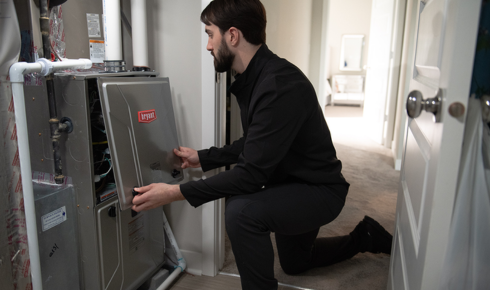
There’s a subtle shift you notice when your heating system isn’t quite doing its job. Not a full breakdown — just something slightly off. The air feels weaker, the warmth doesn’t last as long, or maybe certain rooms don’t feel as comfortable anymore.
It’s easy to ignore at first. Life gets busy, and as long as the system is still running, it doesn’t feel urgent. But those small changes usually mean something deeper is going on — something worth paying attention to before it grows into a bigger issue.
The Quiet Clues Your Heater Leaves Behind
Heating systems rarely fail without warning. They tend to leave little clues — the kind you might overlook if you’re not paying attention.
A slight delay when the system starts. Air that feels inconsistent. Maybe a faint smell or an unfamiliar sound. None of these feel like emergencies, but together, they tell a story.
That’s where proper heater diagnostics come in. It’s not just about identifying what’s broken — it’s about understanding how the system is behaving as a whole. Good diagnostics look at airflow, electrical components, temperature output, and overall system response.
I once heard someone describe it as “listening to the system instead of just looking at it,” which honestly makes sense. Because sometimes, the issue isn’t obvious until you start connecting the dots.
Why Guesswork Doesn’t Really Work
When something goes wrong with a heating system, it’s tempting to jump to conclusions. Maybe it’s the thermostat. Maybe the unit is just old. Maybe it’s time for a replacement.
Related brief: Sometimes It Starts With a Glass of Water That Doesn’t Feel Quite Right
But guessing can lead you down the wrong path.
Without proper evaluation, you might end up fixing the wrong thing — or replacing something that didn’t need replacing at all. That’s where structured performance testing becomes valuable.
Instead of relying on assumptions, testing provides actual data. It shows how efficiently the system is running, whether it’s producing enough heat, and how well it’s distributing that heat throughout your home.
It’s a bit like getting a health check-up. You don’t just go by how you feel — you look at the numbers, the patterns, the underlying indicators.
And once you have that information, decisions become much clearer.
The Difference Experience Makes
Not all heating issues are straightforward. Some are layered, involving multiple factors that interact in ways that aren’t immediately obvious.
That’s why working with experienced HVAC repair professionals can make such a difference. It’s not just about technical skill — it’s about perspective. The ability to recognize patterns, to anticipate issues, to see what others might miss.
Related brief: Living With Well Water: The Small Details That Shape Everyday Life
I’ve seen cases where a system was repaired multiple times without resolving the root problem. It took someone with a fresh perspective to step in, reassess everything, and identify the actual cause.
And once that was addressed, everything else fell into place.
Experience doesn’t just speed up the process — it improves the outcome.
Why Systems Lose Efficiency Over Time
Heating systems don’t stay the same forever. Even with regular use, components wear down, airflow patterns shift, and efficiency gradually declines.
It’s not always noticeable right away. The system still works, just not as well as it used to.
You might find yourself adjusting the thermostat more often, or noticing that it takes longer to reach the desired temperature. These are subtle signs, but they’re worth paying attention to.
Because when efficiency drops, the system has to work harder. And when it works harder, it’s more likely to develop further issues.
Related brief: The Water Behind Your Operations: Why It Matters More Than You Think
Addressing these changes early can help maintain performance and extend the life of the system.
The Overlooked Role of Airflow
Airflow plays a bigger role in heating than most people realize. It’s not just about generating warm air — it’s about moving that air effectively throughout the space.
Blocked vents, leaky ducts, or even furniture placement can disrupt airflow in ways that aren’t immediately obvious. And when airflow is uneven, comfort becomes inconsistent.
One room feels warm, another doesn’t. You adjust settings, but the imbalance remains.
Improving airflow doesn’t always require major changes. Sometimes, it’s about small adjustments — clearing obstructions, sealing ducts, or repositioning vents.
These changes might seem minor, but they can have a noticeable impact on overall comfort.
Maintenance: The Quiet Foundation of Reliability
Related brief: Why Cleaner Indoor Air Is One of the Best Investments You Can Make for Your Home
If there’s one thing that keeps heating systems running smoothly, it’s regular maintenance. Not complicated, not time-consuming — just consistent.
Cleaning filters, checking components, ensuring everything is functioning as it should. These small actions help prevent larger problems from developing.
And yet, maintenance is often the first thing to be skipped.
It’s understandable. If the system is working, it doesn’t feel necessary. But over time, neglect can lead to reduced performance and unexpected breakdowns.
A little attention now can save a lot of trouble later.
Knowing When to Act
There’s a balance between being cautious and being proactive. Not every small issue requires immediate action, but ignoring patterns isn’t helpful either.
If you notice consistent changes in performance, unusual behavior, or anything that feels out of the ordinary, it’s worth taking a closer look.
Related brief: What Really Happens Inside Your Water Filter (And Why It Matters More Than You Think)
Sometimes, that means doing a few basic checks yourself. Other times, it means calling in someone who can evaluate the system more thoroughly.
The key is not waiting until the problem becomes unavoidable.
Bringing It All Together
Heating systems are easy to overlook when they’re working well. They quietly do their job, keeping your home comfortable without drawing attention.
But when something shifts — even slightly — it’s worth paying attention.
Because comfort isn’t just about warmth. It’s about consistency, reliability, and the feeling that your home is working the way it should.
And with the right approach — a bit of awareness, timely diagnostics, and the right support — most heating issues can be managed before they become major problems.
In the end, it’s not about perfection. It’s about creating a space that feels steady, comfortable, and easy to live in.
And that’s something worth maintaining.