
Water is something we tend to take for granted. Turn on the tap, fill a glass, start the washing machine, and get on with the day. It’s only when something changes that we begin paying attention. Perhaps the shower smells a little strange, white marks keep returning to the bathroom tiles, or the kitchen sink develops reddish stains that never seem to disappear completely.
These problems can be frustrating, especially when cleaning more often doesn’t seem to help. But changes in water quality can have several causes, and the solution isn’t always an expensive filtration system. Sometimes, a simple test can explain what’s happening. In other cases, a more targeted treatment may be worth considering. The important thing is to understand the problem before spending money on a fix.
Start by Paying Attention to What You Notice
Your home can offer a few clues about its water quality. Mineral deposits around faucets, cloudy glassware, unusual smells, and changes in taste may all point toward different issues. None of these signs provides a complete diagnosis, though. Water that looks clear can still contain substances you cannot see, while an unpleasant smell may come from plumbing or a drain rather than the water supply itself.
Consider when the problem first appeared. Has the water always smelled this way, or did the change happen suddenly? Does the issue affect every tap or only one bathroom? Is it more noticeable after water has been sitting in the pipes overnight? Small details like these can help narrow down the possibilities.
If you notice a sudden, persistent change in water quality, particularly one involving unusual colour or a strong chemical or sewage-like odour, don’t simply mask it with a filter or air freshener. Contact your water supplier or a qualified professional and arrange appropriate testing. If contamination is suspected, follow local public-health guidance before using the water for drinking or cooking.
What Could Be Causing an Unusual Smell?
Few household water problems are as off-putting as opening the tap and noticing an unpleasant odour. The cause may be relatively simple, but it’s worth identifying it rather than guessing. Some smells come from drains, while others may be associated with plumbing materials, water heaters, or the incoming water supply.
For example, a rotten-egg smell can sometimes be linked to hydrogen sulfide or to reactions involving the water heater. A musty or earthy smell may have a different cause, and a chlorine-like odour can occur in treated municipal water. These possibilities require different responses, so the smell alone shouldn’t be used to determine which treatment is necessary.
When smelly water becomes a recurring concern, start by checking whether it occurs at one fixture or throughout the home. If only one sink is affected, the drain or local plumbing may be responsible. If the odour appears at several taps, the water source or a shared plumbing component may deserve closer attention.
A qualified water professional can recommend suitable tests based on the symptoms and source. Depending on the findings, the answer might involve plumbing maintenance, correcting a water-heater issue, or selecting a treatment system designed for the substance identified. A general-purpose filter shouldn’t be assumed to remove every cause of an unusual smell.
Understanding the Effects of Hard Water
Another common household complaint is the stubborn white film left behind after water dries. It appears on shower screens, taps, kettles, and sometimes the inside of appliances. You may scrub the same surface every weekend, only to find the marks returning a few days later. It can feel like a never-ending chore.
These deposits are often associated with mineral-rich water. Calcium and magnesium are the main minerals responsible for water hardness, and they can leave residue as water evaporates. Hardness may also make soap less effective, contribute to scale inside water heaters, and reduce the efficiency of some appliances over time.
Hard water isn’t usually considered a health hazard by itself, but it can affect cleaning routines and household equipment. The amount of scale that forms depends on the water’s mineral content, temperature, and how frequently the water is used.
A water-hardness test can help determine whether a softener is appropriate. Conventional ion-exchange softeners reduce calcium and magnesium by exchanging them for sodium or potassium ions. This can reduce scale formation and help soap lather more easily. However, a softener isn’t a universal purifier; it doesn’t automatically remove bacteria, pesticides, or every dissolved contaminant.
Before installing one, consider household water use, available space, maintenance requirements, and whether you want a separate drinking-water supply. The right choice should address the actual problem rather than adding equipment simply because a neighbour has it.
When Orange or Brown Stains Appear
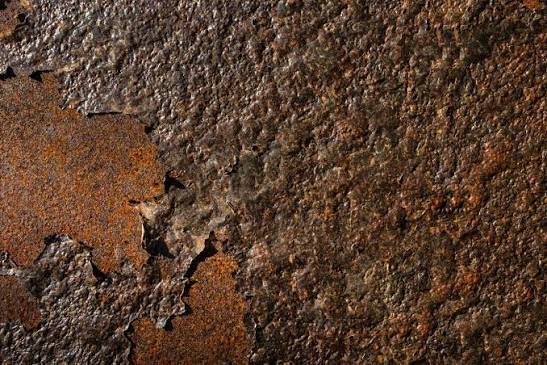
Reddish-brown marks around sinks, toilets, laundry, and bathtub fittings can be another source of frustration. They may appear even when you clean regularly, and certain stains can be difficult to remove without damaging the surface. Sometimes, the colour comes from iron in the water. In other cases, corrosion inside older plumbing may contribute to the problem.
The distinction matters. Treating incoming water may help when testing confirms elevated iron, but it won’t necessarily solve staining caused by a deteriorating pipe or fixture. If the stains appeared suddenly, or if the water has changed colour, arrange an assessment before deciding on a treatment system.
Issues involving iron & rust can require testing for iron concentration, pH, and other water characteristics. The appropriate treatment depends on the form of iron present and its concentration. Some systems use oxidation and filtration, while other conditions may require different media or plumbing repairs.
Avoid choosing a filter based only on photographs of stains or a product description. Ask for test results and a clear explanation of how the recommended equipment is expected to work. This helps prevent the disappointment of installing a system that isn’t suited to the water chemistry in your home.
Why Testing Is Better Than Guesswork
A water test can turn a vague concern into a practical plan. Depending on the source and the problem, testing may assess hardness, pH, iron, dissolved solids, bacteria, or specific contaminants. A private well may require different testing from a municipal supply, and local environmental conditions can influence which tests are appropriate.
Start with your water utility’s quality report if your home uses municipal water. It can provide useful background about the supply, although it may not reveal problems that develop within your own plumbing. Homeowners with private wells should follow local public-health recommendations for routine testing and arrange additional checks when conditions change.
For health-related concerns, use a qualified laboratory and tests suitable for the substances you want to investigate. A quick demonstration or basic screening may be useful for certain characteristics, but it should not be mistaken for a comprehensive safety assessment.
Choosing a Practical Solution for Your Home
Once you understand the cause, compare treatment options based on their intended purpose. Sediment filters capture particles, certain carbon filters reduce specific tastes and odours, softeners address hardness, and reverse osmosis systems can reduce many dissolved substances when properly selected. No single technology is designed to solve every water problem.
Also look at the ongoing responsibilities. Filters require replacement, softeners may need salt and periodic servicing, and reverse osmosis membranes have a limited service life. Ask about installation costs, replacement parts, water use, and maintenance intervals before making a decision.
Better water doesn’t necessarily require the most complicated setup. A targeted repair or appropriately selected filter may be enough, while more complex concerns may call for specialist treatment. What matters is matching the solution to reliable test results and maintaining the equipment according to its instructions.
Make Water Quality Easier to Manage
When something seems wrong with your water, it’s easy to jump straight to buying a product. Take a breath and investigate first. Notice where the issue occurs, consider when it began, and seek testing or professional advice when necessary.
With a clearer understanding of what’s happening, you can make a decision that suits your home, budget, and daily routine. The goal isn’t to install more equipment than you need. It’s to resolve the concern properly, protect your plumbing and appliances where possible, and feel more confident about the water you use every day.