
Buying a water treatment system often starts with a simple goal: better water. Maybe you’ve noticed a chlorine smell when filling a glass from the kitchen sink, stubborn white spots on clean dishes, or mineral buildup around your faucets that seems to return no matter how often you scrub it away. These everyday annoyances usually spark the same thought—there has to be a better solution.
And there is.
What many homeowners discover, though, is that choosing the right equipment is only part of the story. Even the most advanced filtration system can fall short if it isn’t matched to your home’s water conditions or installed correctly. Great water doesn’t happen by accident. It comes from good planning, quality equipment, and proper installation working together.
When all three come together, the difference is something you’ll notice every single day.
Every Home Has Different Water Needs
One reason water treatment can feel confusing is that no two homes are exactly alike.
A family connected to a municipal water supply may want to reduce chlorine taste and odor, while another relying on a private well could be dealing with iron, sulfur, sediment, or naturally occurring minerals. Even neighboring homes sometimes experience different water quality because of plumbing materials, groundwater conditions, or the age of local infrastructure.
That’s why the most effective solution isn’t necessarily the biggest or most expensive system. It’s the one designed specifically for your water.
Professional water testing is often the smartest place to begin because it replaces assumptions with real information.
Why professional installation Makes Such a Difference
Installing a filtration system might seem straightforward at first glance, but there are plenty of details that influence long-term performance.
Water pressure, plumbing configuration, drain connections, bypass valves, flow direction, and system calibration all play an important role. Missing just one of those details can affect efficiency or even shorten the lifespan of the equipment.
That’s where professional installation becomes valuable.
Experienced technicians understand how to integrate filtration equipment into existing plumbing while ensuring everything operates according to manufacturer specifications. They also test the system after installation, check for leaks, verify water pressure, and explain routine maintenance requirements.
That attention to detail helps homeowners avoid problems that might otherwise appear months or even years later.
Better Water Improves More Than Drinking
People naturally associate filtration with drinking water, but its benefits extend far beyond the kitchen faucet.
Cleaner water supports cooking, showering, washing clothes, cleaning dishes, and operating household appliances.
Many homeowners notice their coffee tastes smoother.
Soap rinses more easily.
Shower doors develop fewer mineral spots.
Laundry feels softer.
Bathrooms often require less scrubbing because mineral buildup becomes less noticeable.
These aren’t dramatic changes overnight, but together they make everyday routines feel easier and more enjoyable.
Sometimes the biggest improvements are the ones you stop thinking about because they’ve simply become normal.
Thinking Beyond Drinking Water
A quality water treatment system protects much more than the glass you drink from.
Water flows through every faucet, appliance, shower, and plumbing fixture inside the home. If minerals, sediment, or chlorine are affecting the incoming supply, those effects are felt throughout the house.
That’s why many homeowners choose systems designed to deliver complete home protection instead of treating water at only one location.
Whole-home treatment allows showers, washing machines, dishwashers, water heaters, and kitchen faucets to benefit from improved water quality simultaneously.
It creates consistency, which is something families appreciate every single day without needing to think about it.
Technology Has Come a Long Way
Modern filtration systems are far more capable than the simple filters many homeowners remember from years ago.
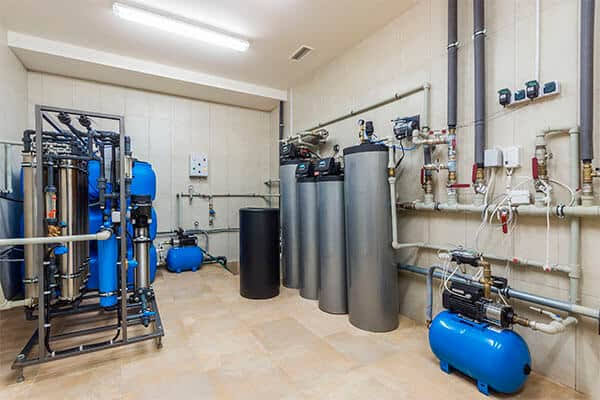
Today’s equipment often combines multiple stages of treatment depending on local water conditions. Carbon filtration, water softening, sediment removal, ultraviolet purification, reverse osmosis, and specialized media can all work together when necessary.
The result is a treatment strategy built around actual water quality instead of one universal solution.
Professional testing helps determine exactly which technologies make sense for each household.
There’s no reason to pay for equipment you don’t need, but it’s equally important not to overlook treatment that would genuinely improve your water.
Why advanced water treatment Is Worth Considering
Modern advanced water treatment systems are designed to solve multiple water quality challenges while remaining surprisingly easy to maintain.
Rather than focusing on just one issue, these systems can be configured to address hardness, chlorine, sediment, unpleasant odors, dissolved minerals, and other water characteristics identified through professional testing.
The goal isn’t to make water treatment more complicated.
It’s to make it more effective.
When equipment is carefully matched to your home’s water profile, homeowners typically experience better performance, fewer maintenance concerns, and more reliable results over the long term.
That’s one reason professionally designed systems continue gaining popularity among homeowners who want dependable solutions instead of temporary fixes.
Maintenance Doesn’t Have to Be Complicated
One concern many people have before installing a water treatment system is ongoing maintenance.
Fortunately, most modern systems require relatively little attention.
Filters are replaced according to manufacturer recommendations, water softeners receive periodic salt refills when applicable, and occasional inspections help ensure everything continues operating efficiently.
These simple maintenance habits help preserve water quality while extending equipment life.
Compared to the cost of replacing plumbing fixtures, water heaters, or appliances damaged by untreated water, routine maintenance is a small investment.
Investing in Better Water Is Really an Investment in Your Home
Water treatment isn’t just about improving taste.
It’s about protecting the systems your home depends on every day.
Appliances last longer when mineral buildup is reduced.
Fixtures stay cleaner.
Plumbing experiences less scaling.
Daily cleaning often becomes easier.
Families enjoy greater confidence when preparing meals, making coffee, or filling reusable water bottles.
These benefits quietly add value year after year.
Unlike cosmetic home upgrades that are admired occasionally, better water becomes part of nearly every daily routine.
Better Water Creates a Better Everyday Experience
Homeowners often spend considerable time choosing flooring, paint colors, kitchen appliances, and furniture. Yet water is something the entire household uses dozens of times every day.
Improving it may not be the most glamorous home upgrade, but it can easily become one of the most rewarding.
When the right equipment is combined with accurate water testing, thoughtful system design, and skilled installation, the result isn’t just cleaner water—it’s a more comfortable, efficient, and enjoyable home.
Sometimes the best improvements aren’t the ones that draw attention. They’re the ones quietly working behind the scenes, making everyday life a little easier each time someone turns on the faucet.