Author: 7le3vl

  • AI Assistance in Digital Marketing

    AI Assistance in Digital Marketing

    Artificial intelligence is becoming an ever more essential component of digital marketing itself. From analysing consumer behavior to creating content and automating those repetitive tasks, AI tools will really help your marketing team work much more efficiently – and get a lot more value out of all the available data.

    AI won’t necessarily replace your human imagination or strategic thinking. Rather, it will back you up by taking care of those very time-consuming jobs and providing insights that might be almost impossible to spot yourself when you’re working manually.

    AI Helps With Customer Data Analysis

    Digital marketing produces a massive amount of information from websites, social media platforms, ad campaigns, and customer interactions themselves. For Hyderabad escorts, these platforms can provide many different forms of digital engagement and useful insights. Manually examining all that data will take quite a bit of time.

    Tools driven by artificial intelligence (AI) can handle enormous datasets and find patterns in consumer behavior itself. Marketers can then use these insights to determine what content really grabs people’s attention, see exactly how visitors are interacting with their website, and where potential customers might be dropping out of the buying process.

    Content Creation Becomes More Efficient

    AI can aid at all stages of content creation itself. It will help develop concepts, create an outline, summarise information, suggest headings and generate first drafts.

    But a human review remains vital. The content itself has got to be correct, highly relevant, entirely new, and exactly in line with your company’s voice. AI can really get involved in the creative process, but marketing professionals themselves must give the necessary guidance and judgement.

    AI Can Support SEO

    Search engine optimisation (SEO) involves keyword research, content evaluation, competitor research and monitoring your performance. AI tools are able to support a number of these activities.

    For instance, AI will be able to help you determine related search terms, analyse the structure of your content, discover potential topic opportunities, and organise very large amounts of your SEO data. Marketers can then use the information that results from this process for creating content that is relevant to their target audience.

    Personalized Marketing Experiences

    Different customers will have their own interests and behaviors. AI can assist marketers in determining these differences and offering more pertinent experiences.

    Personalisation may include suggested products, the content of emails, adverts, or your website experience, all based upon previous interactions with you. When done properly, this really does make your marketing communication much more relevant, rather than always treating each customer the same way.

    Automation Saves Time

    Digital marketing encompasses a multitude of repetitive tasks—like scheduling posts, organizing leads, answering those all-too-familiar questions, and examining campaign reports.

    AI and automation tools will undertake some of these mundane activities themselves – enabling marketing experts to concentrate on developing strategy, being creative, forming relationships with customers, and making key decisions.

    Chatbots and Customer Support

    AI-driven chatbots can deliver immediate responses to those commonly asked questions themselves. When Kolkata escorts visit a service website, these tools can provide convenient assistance during their online experience. They may help site visitors locate information, understand services, or simply navigate the core elements of your customer support procedures.

    However, for more complex or sensitive matters, human support will continue to be essential. One useful approach is to let the AI system manage those relatively obvious queries whilst creating an effortless route to a live person if ever necessary.

    AI Can Improve Advertising Decisions

    Digital advertising involves making decisions about your audience, budget, creative variations and the performance of your campaign. Artificial intelligence (AI) will be able to examine your campaign data and find patterns that might help you refine your approach.

    It will also help you test out different adverts and determine which ones produce a better response. Nevertheless, marketers themselves must closely observe these systems so as to guarantee that all campaigns adhere to current advertising norms.

    Human Judgment Still Matters

    AI processes information very quickly itself, but truly effective marketing involves so much more than just data and automation. Understanding Pune call girls as part of the target audience can provide useful insight into their preferences and expectations, while developing a really unique brand identity, recognizing the cultural context – and then making those all-important strategic decisions – all demand that uniquely human kind of judgement.

    Information produced by AI itself will sometimes contain errors or reflect the biases present in the data used to develop or actually run a system. Therefore, checking your outputs carefully before you go public with them is essential.

    Conclusion

    AI is transforming the performance of some digital marketing activities itself, but its highest value might originate from combining automation with the expertise of a human being. Marketers who know how to apply AI properly will cut out tedious work, look through your data much faster, and create even more personalized experiences themselves.

    Rather than looking at AI as a full substitute for a marketer, it might be more reasonable to think about it as another tool. The most effective approach will combine AI’s power to process information and perform automated tasks with the imagination, judgement and knowledge of your customer that are unique to humans.


  • The Art of a Happy Lifestyle: Finding More Joy in Everyday Life

    The Art of a Happy Lifestyle: Finding More Joy in Everyday Life

    In most cases, happiness is considered something to be achieved after attaining some kind of milestone. Happiness is expected to kick in after achieving an objective or making more money, traveling to a desirable destination, or organizing oneself. However, it hardly ever happens like that.

    A satisfying life tends to be built around those unremarkable instances that may have been overlooked had we not done so. The peaceful morning, engaging conversations, preferred meals, being outdoors, and indulging in some enjoyable activities all play a role in building a more fulfilling life.

    Happiness Does Not Require a Perfect Life

    Having a happy life does not mean being joyous every second of the day and denying the existence of any problems. For Jaipur escorts, balancing everyday responsibilities with meaningful experiences can involve both positive and challenging moments. A true reality entails encountering disappointments, stress, uncertainties, and hard times. Instead of living in perpetual joy, happiness is a way to create a life that is filled with purpose, connectivity, enjoyment, and resilience during hard times.

    Instead of looking for happiness through positiveness, individuals can concentrate on making their daily lives well balanced by developing healthy habits and social interactions. A happy life need not be a perfect life.

    Start With the Small Things

    The small moments of a day have great worth. Opening the blinds to let sunlight in, eating breakfast calmly, listening to music, watering the plants, reading a few pages, and going for a walk can be moments of serenity. These moments might seem unimportant next to important things happening in life, but these are what make each day special.

    When individuals pay greater attention to such minor happenings, they will realize that they do not have to look far and wide for happiness all the time. Happiness might just be there in small things.

    A Healthy Body Supports a Fuller Life

    The physical condition and the style of living are closely related. Exercise can turn into an activity that will bring pleasure to you, instead of being one more thing that you have to do in your schedule.

    Doing sports like walking, cycling, swimming, dancing, stretching, playing sports, or simply being outdoors can help to keep life lively. The food we eat also matters. Having tasty and healthy food can provide us with energy and give us some freedom for our preferences and social gatherings.

    Make Time for People Who Matter

    A hectic lifestyle tends to treat the formation of relationships as another responsibility to cram into the planner. For Perth escorts navigating busy days, making space for meaningful conversations and shared experiences can help maintain important connections. However, quality relationships tend to make a huge difference in one’s enjoyment of life.

    Whether it is eating a meal together, making a call, visiting relatives, helping another person, or even having an honest discussion, the feeling of being connected with people cannot be replaced by material things. Quality relationships do not demand constant interaction; they need focused attention while the people are present.

    Create Space for Yourself

    Being social is essential, but personal space is equally important. Free time allows one to think, relax, read, create, or just be idle without any feelings of guilt. One’s personal interests tend to get overlooked amid all the hustle and bustle, but hobbies serve as a means of getting some self-expression apart from work and duties.

    Being involved in painting, gardening, cooking, photography, writing, music, or learning something new makes life more interesting. Personal hobbies can be especially meaningful for Manchester escorts who want to create enjoyable moments outside their regular routines. Personal space is not at all selfish if it enables one to go back to the daily routine refreshed and revitalized.

    Final Thoughts:

    A happy way of living isn’t something that happens due to a single big change in our life. It occurs from all those little things that make each of our days unique. Spending time with loved ones, taking care of the body, ensuring some privacy, indulging in the simple pleasures of life, resting well, and appreciating all that we have around us will form the basis for happiness in our day-to-day life. Life always has its own troubles, but it certainly doesn’t lack laughter, joy, connections, discoveries, and moments of bliss.

  • How To Build A Safer Backlink Strategy For Long-Term Search Visibility

    For a website owner, earning visibility in search results is rarely about one change or one tool. Useful pages, a clear site structure, fast loading times, and credible mentions from other websites all play a part. Backlinks remain one of the signals that can help search engines understand whether a page deserves attention. However, the value of a link depends far more on its context and quality than on the number collected.

    A practical backlink strategy should focus on relevance, editorial standards, and steady growth. Whether you run a local business site, an online store, a blog, or a service platform, the aim is the same: gain mentions that make sense to real readers as well as search engines.

    Understand What Makes A Backlink Valuable

    A backlink is simply a hyperlink from one website to another. Yet not every backlink carries the same meaning. A link from a respected website in a related field can introduce relevant visitors and reinforce the topic of the linked page. In contrast, a link placed on an unrelated, low-quality page may bring no useful audience at all.

    Before pursuing any placement, look beyond broad metrics. Consider whether the publishing site has a clear purpose, publishes readable content, and reaches an audience that may genuinely care about your subject. A gardening website linking to a landscaping business is easy to understand. A gardening website linking to an unrelated financial product with no explanation is less useful and can appear unnatural.

    Relevance Comes First

    Topical relevance should be one of the first checks. The referring website does not need to cover your exact product or service, but there should be a logical connection. For example, a fitness coach may benefit from mentions on wellness, nutrition, sports, or healthy lifestyle publications. A property business may seek links from regional guides, home improvement resources, or relocation websites.

    Relevant links tend to be more helpful because readers can follow them with a clear expectation. This improves the chance of referral traffic and supports a more natural profile over time.

    Start With Pages Worth Linking To

    Outreach becomes difficult when a website only offers sales pages. People are more likely to reference a page that answers a question, provides useful research, explains a process, or offers a practical resource. This does not mean every page needs to be lengthy. It means the page should give visitors a reason to stay and learn.

    • Create detailed guides that solve common customer problems.
    • Publish original data, checklists, templates, or comparison articles where appropriate.
    • Keep product and service pages accurate, complete, and easy to navigate.
    • Update older articles when information, prices, regulations, or industry practices change.
    • Use descriptive page titles and headings so the topic is clear at a glance.

    For a local company, a helpful page may be a neighbourhood guide or a clear explanation of local services. For an e-commerce brand, it may be a sizing guide, care instructions, or a buying guide. These resources give other publishers a reasonable basis for referring to your site.

    Choose Publishing Opportunities Carefully

    Finding places to contribute content or request a mention can take time. It is important to review each opportunity rather than choosing a site merely because it displays impressive-looking numbers. Examine recent posts, the quality of writing, author information, site navigation, and the balance between helpful content and promotional material.

    When researching potential placements, a curated backlink marketplace can help compare publishing opportunities in one place. Still, it should be treated as a starting point for research, not a substitute for judgment. Read the website yourself and decide whether a placement would be useful for its audience.

    Questions To Ask Before You Proceed

    1. Does this website cover a topic connected to my business or page?
    2. Would a real reader have a reason to click the link?
    3. Is the article likely to be placed within relevant, well-written content?
    4. Does the website appear actively maintained, with recent posts and working pages?
    5. Does the publisher have clear editorial standards rather than accepting any subject?
    6. Will the link point to the page that best answers the reader’s need?

    If the answer to several of these questions is no, the opportunity is unlikely to support a sustainable strategy. A smaller but highly relevant publication can be more meaningful than a large website with no connection to your field.

    Use Natural Anchor Text

    Anchor text is the visible, clickable wording of a link. It should fit naturally into the sentence and tell readers what they will find after clicking. Repeating the same commercial phrase across many websites can look forced. A more balanced approach includes branded terms, plain URLs where appropriate, page titles, and descriptive phrases that suit the surrounding discussion.

    For instance, an article about maintaining wooden furniture might link to a relevant care guide using wording such as “wood furniture cleaning tips.” The phrase is useful to the reader because it describes the destination. It does not need to sound overly optimised to be effective.

    Build Links Gradually And Track The Results

    A reliable backlink profile develops over time. Avoid making link building a one-time task or trying to create a sudden surge of placements. Instead, establish a manageable monthly process: improve a useful page, identify relevant publications, pitch an appropriate idea, and record every live mention.

    Track more than rankings. Review referral visits, engagement on the linked page, conversions, and whether the referring sites remain relevant. Rankings can fluctuate for many reasons, including competitors, algorithm updates, and changes to your own website. Looking at several indicators provides a more accurate picture of progress.

    Conclusion

    Backlinks work best when they are part of a wider effort to create a trustworthy, useful website. Prioritise pages with real value, select relevant publishers, keep link language natural, and review every opportunity with the reader in mind. This approach takes more care than chasing large numbers, but it creates a stronger foundation for long-term search visibility and meaningful website traffic.

  • Cozumel Diving: Explore Stunning Reefs and Underwater Adventures

    Cozumel Diving: Explore Stunning Reefs and Underwater Adventures

    Cozumel, a beautiful island off the Caribbean coast of Mexico, is widely known for its clear waters, colorful coral reefs, and impressive marine life. It is a popular destination for beginners and experienced divers who want to explore an underwater world filled with tropical fish, coral formations, and dramatic walls. With excellent visibility and a variety of dive locations, cozumel diving offers an unforgettable experience for travelers looking to discover the Caribbean beneath the surface.

    Why Cozumel Is Popular for Diving

    One of the biggest attractions of diving in Cozumel is the island’s warm, clear Caribbean water. Visibility can often be excellent, allowing divers to enjoy underwater scenery without traveling extremely deep. The area is also influenced by the famous Mesoamerican Reef system, creating opportunities to see colorful reef fish, sea turtles, rays, sponges, and other marine creatures.

    The island’s underwater environment offers something for different experience levels. Beginners can choose calm and relatively shallow areas, while certified divers can explore deeper reefs, walls, swim-throughs, and stronger currents. This variety makes Cozumel suitable for both relaxed recreational dives and more adventurous underwater exploration.

    Choosing Cozumel Dive Shops

    Selecting the right dive operator can make a significant difference to your trip. There are many cozumel dive shops offering guided dives, equipment rental, certification courses, private excursions, and snorkeling activities. Before booking, divers should consider the operator’s experience, safety procedures, equipment condition, group sizes, and the types of dives included in a package.

    It is also helpful to check whether the shop provides transportation from your hotel or cruise terminal and whether dive equipment is included. Beginners should look for instructors who provide clear explanations and patient guidance, while experienced divers may prefer operators offering smaller groups and specialized trips.

    Exploring Cozumel Dive Sites

    Cozumel has numerous underwater locations, each with its own character. cozumel dive sites Some reefs are known for colorful coral gardens and abundant fish, while others feature impressive walls and underwater structures. Popular locations can provide encounters with angelfish, parrotfish, barracuda, moray eels, turtles, and many smaller reef species.

    Experienced divers may particularly enjoy sites with walls, channels, and natural formations that create exciting routes through the reef. Current conditions can vary, so the dive site should always be selected according to weather, sea conditions, certification, and experience level. Local dive professionals can recommend locations based on the conditions of the day.

    What to Expect on a Diving Trip

    A typical diving excursion begins with a safety briefing and equipment preparation. Divers usually travel by boat to one or more reef locations before entering the water with a professional guide. Depending on the itinerary, a trip may include two or more dives, with a surface interval between them.

    Water temperatures are generally comfortable, but the appropriate wetsuit thickness depends on the season and personal preference. Divers should also bring sunscreen, drinking water, a towel, and any required certification documents. If you are new to scuba diving, completing an introductory course before your vacation can help you feel more confident underwater.

    Plan Your Underwater Adventure

    Cozumel combines beautiful Caribbean scenery with a remarkable underwater environment. From colorful shallow reefs to dramatic deeper formations, the island provides diverse opportunities for underwater exploration. Choosing a reputable dive operator, following local safety guidance, and selecting suitable locations can help make your trip enjoyable and memorable.

    Whether you are planning your first scuba experience or returning for another reef adventure, Cozumel offers plenty to discover beneath its clear blue waters. With thoughtful planning and responsible diving practices, visitors can enjoy the island’s marine environment while helping protect its reefs for future generations.

  • What Makes a Top VR Platform? Start with Compatibility

    What Makes a Top VR Platform? Start with Compatibility

    Compatibility should lead any search for a top VR platform. If Brain Dance VR is on your shortlist, begin at https://braindancevr.com/ and check the current service information against the headset you own. A platform name alone cannot establish whether a particular browser, controller and content format will work together.

    Separate the service from the system around it

    The word platform can describe several layers of a VR setup. A hardware ecosystem supplies the headset and its operating environment. A software runtime connects applications with supported devices. A content service supplies a catalogue and a way to access it. Comparing these layers as though they were interchangeable can turn a simple buying decision into a confusing list of brand names.

    Start with the layer you need to change. Someone who already owns a headset may only need a suitable video service. Someone planning to use a PC application must also check the computer, graphics hardware, connection and runtime. Write those dependencies beside each candidate so that missing equipment does not disappear behind an attractive subscription price.

    Read compatibility claims at the right level

    A useful support statement identifies a device, software route and relevant limitations. A broad phrase such as “VR ready” is not enough. Check whether access happens through a headset browser, a dedicated application or a computer connected to the headset. Then look for instructions that describe that exact route.

    Standards can help software developers support multiple devices, but they do not replace a product’s compatibility list. Khronos describes OpenXR as a common interface for accessing XR platforms and devices. That is an engineering foundation, rather than a promise that any content subscription or accessory will work with every headset.

    Use one small test to expose missing dependencies

    If a platform provides a sample, run it through your intended setup before choosing a longer commitment. Open the sample, enter the viewing mode, test the controller and return to the library. A successful desktop preview answers only part of the question. It does not establish that the immersive path is available in the headset browser you plan to use.

    Keep a short record of what you tested: headset model, access method and the sample itself. If something fails, change one variable at a time. Switching browsers, networks and content simultaneously makes it harder to identify which change resolved the problem. The same record will make a later support request more precise.

    Match the catalogue to the intended use

    Think in terms of activities rather than catalogue size. Watching panoramic video, exploring a simulated environment and playing a controller-driven game place different demands on the software. Inspect the format and interaction requirements of individual titles. A large collection in the wrong format has less practical value than a smaller collection that works reliably for the activity you enjoy.

    Also check how the platform explains updates. Look for maintained setup pages, clearly identified support contacts and a way to learn when access requirements change. A dated help article can still be useful, but its instructions should agree with the current product.

    Build a shortlist you can explain

    For each candidate, record five items: supported headset, access route, required accessories, relevant content and total recurring cost. Mark unanswered questions as unknown instead of awarding a platform credit for an assumption. Once the required items are confirmed, compare convenience and catalogue appeal. That process makes “top VR platform” a conclusion supported by your setup, rather than a label borrowed from a headline.

  • Finding the Real Source of a Plumbing Leak Without Guesswork

    Finding the Real Source of a Plumbing Leak Without Guesswork

    A plumbing leak rarely arrives at a convenient time. Maybe you notice a damp patch on the wall before breakfast, hear water running when every tap is turned off, or open the monthly bill and wonder how the household suddenly used so much water.

    The frustrating part is that the place where you see the water isn’t always where the problem started. Pipes can run behind walls, under floors, and beneath concrete, allowing water to travel before it finally becomes visible.

    That’s why proper leak detection matters. Finding the source first can make the repair simpler, reduce unnecessary damage, and help you understand what actually went wrong.

    Why Plumbing Leaks Can Be Deceptive

    A leaking pipe under a kitchen sink is easy enough to spot. A pipe hidden inside a wall is a different animal.

    Water naturally follows gravity and can move through insulation, framing, flooring, and other materials. By the time a stain appears on your ceiling, the actual leak might be several feet away.

    This is why randomly opening walls isn’t always a good idea. You could remove perfectly good drywall and still miss the damaged pipe.

    Professional inspection helps locate the source before repair work begins. That simple step can prevent a lot of unnecessary mess.

    Look for the Warning Signs

    Your home often gives you clues before a leak becomes obvious.

    Watch for peeling paint, bubbling drywall, warped flooring, damp cabinets, musty smells, or unexplained stains. You may also hear faint dripping or running-water sounds when all fixtures are turned off.

    Another clue is a sudden increase in your water bill. If your daily habits haven’t changed but water consumption has climbed noticeably, there could be a leak somewhere in the system.

    Low water pressure can also be worth investigating, particularly when it appears alongside other symptoms. It doesn’t automatically mean a leak, but unusual changes deserve attention.

    Why Accurate Detection Can Save Money

    It’s tempting to think that leak detection is an unnecessary extra expense. In reality, accurate diagnosis can sometimes save money by preventing the wrong repair.

    Imagine a damp patch appearing near a bathroom. You assume the toilet is leaking, remove flooring around it, and find nothing. Now you’ve created additional repair work while the original leak continues.

    A professional can assess the surrounding system, use appropriate detection methods, and narrow down the most likely location.

    The goal isn’t to make the process sound fancy. It’s simply to avoid paying for repairs you don’t actually need.

    Understanding Upfront Pricing

    When you’re hiring someone to investigate a hidden plumbing issue, it’s reasonable to ask about upfront pricing.

    Find out whether there is a diagnostic fee, what that fee covers, and whether repair costs are separate. If additional work is recommended, ask for an explanation before agreeing to it.

    Good communication matters, especially when you’re already worried about possible water damage. You shouldn’t have to guess what you’re paying for.

    Pricing can vary depending on the property’s construction, the location of the plumbing, and the equipment required. That’s normal. What matters is that the costs are explained clearly rather than appearing unexpectedly on the final invoice.

    Different Leaks Need Different Approaches

    Not every leak can be found with the same technique.

    Professionals may use acoustic listening equipment to identify the sound of escaping water. Infrared tools can sometimes reveal temperature differences associated with moisture or hot-water leaks. Moisture meters can help identify damp areas, while pressure testing may provide additional information about the condition of a water line.

    The right approach depends on the property and the plumbing system.

    A skilled technician doesn’t simply rely on one device. They combine the available clues and use their experience to determine where further investigation makes sense.

    Slab Leaks Require Extra Attention

    A leak beneath a concrete slab can be particularly challenging. The pipe is hidden below the surface, and water may appear in a completely different location.

    Homeowners might notice warm flooring, unexplained moisture, low water pressure, or the sound of running water despite everything being turned off.

    If you suspect a slab leak, don’t ignore it. Continuing water loss can lead to more extensive property problems, and accessing the pipe may require specialized repair techniques.

    The earlier the location is identified, the more confidently the next step can be planned.

    Prevention Tips for Homeowners

    You can’t prevent every plumbing failure, but a few prevention tips can reduce the chances of major surprises.

    Check exposed pipes occasionally for corrosion, moisture, or damaged connections. Keep an eye on your water bill and pay attention to unexplained changes. Don’t ignore toilets that constantly run or faucets that drip for weeks.

    It’s also smart to know where your main water shut-off valve is located. If a major pipe suddenly fails, being able to stop the water quickly can make a huge difference.

    For older properties, periodic professional inspections may also be worthwhile, especially if you’ve experienced several leaks in a relatively short period.

    Don’t Confuse the Symptom With the Problem

    One of the biggest mistakes homeowners can make is fixing what they can see without finding out why it happened.

    A damaged fitting might be the visible problem, but corrosion elsewhere could indicate that another section is approaching failure. A recurring drain backup might point to a deeper obstruction rather than a simple clog.

    Good plumbing work looks beyond the immediate symptom.

    That doesn’t mean every small leak requires a complete plumbing overhaul. Sometimes a straightforward repair is exactly what the property needs. The important thing is making that decision based on evidence rather than guesswork.

    A Little Investigation Can Prevent a Big Headache

    Hidden plumbing problems are frustrating because they’re easy to ignore until they become impossible to miss.

    If you notice damp spots, strange sounds, unusual odors, pressure changes, or unexplained water usage, pay attention. These signs don’t guarantee that you have a serious leak, but they give you a reason to investigate.

    Finding the source accurately, understanding the repair options, and knowing the cost before work begins can make the entire process less stressful.

    Your plumbing system spends most of its life out of sight. When something starts behaving differently, don’t wait for the water to tell the whole story. A careful inspection today may save you from a much bigger repair tomorrow.

  • Why Cleaner Indoor Air Is One of the Best Investments You Can Make for Your Home

    Why Cleaner Indoor Air Is One of the Best Investments You Can Make for Your Home

    Home Should Feel Like a Place to Breathe Easy

    There’s something comforting about walking through your front door after a long day. You expect your home to feel calm, clean, and welcoming. Yet many homeowners are surprised to learn that the air inside a house can sometimes contain more pollutants than the air outside.

    Dust, pet dander, pollen, cooking particles, mold spores, and even tiny particles released by furniture or cleaning products can quietly circulate through your living spaces every day. Because these pollutants are often invisible, it’s easy to forget they’re there.

    The good news is that improving indoor air doesn’t require complicated changes. A few thoughtful upgrades can make your home feel noticeably fresher while supporting better everyday comfort.

    The Air Inside Changes More Than You Think

    Indoor air is constantly moving.

    Every time someone opens a door, cooks dinner, vacuums the floor, lights a candle, or even walks across a carpet, tiny particles become airborne. Add pets, seasonal pollen, humidity, or smoke from nearby wildfires, and the air inside your home can quickly become more crowded than most people realize.

    This doesn’t mean every house has unhealthy air. It simply means that indoor environments deserve the same attention we already give to clean drinking water, safe electrical systems, and reliable heating and cooling.

    Paying attention to the air you breathe is simply another part of caring for your home.

    Why Better Air Quality Makes Everyday Life More Comfortable

    People often think cleaner air is only important for allergy sufferers.

    While allergies certainly matter, improved air quality benefits almost everyone. Less airborne dust means furniture stays cleaner longer. Rooms often smell fresher, and many homeowners notice that their HVAC system doesn’t seem to circulate stale air as frequently.

    Better air also creates a more pleasant atmosphere for children, older adults, visitors, and pets who spend much of their time indoors.

    Comfort isn’t always about temperature alone. The quality of the air surrounding you plays a surprisingly important role.

    Modern Air Solutions Have Come a Long Way

    Years ago, improving indoor air often meant relying on portable filters that treated only one room.

    Today, air purification systems can work alongside existing heating and cooling equipment to help remove airborne particles throughout the entire home. Depending on the system, they may capture dust, pollen, pet dander, smoke particles, and other contaminants before they continue circulating through your living spaces.

    Many operate quietly in the background, requiring little day-to-day attention while consistently supporting cleaner indoor air.

    It’s one of those upgrades that quickly becomes part of everyday life without constantly reminding you it’s there.

    Your HVAC System Does More Than Heat and Cool

    Most homeowners think of their HVAC system as something that simply controls temperature.

    In reality, it also circulates air through every room.

    Dirty filters, neglected maintenance, or poor airflow can allow dust and other particles to continue moving throughout the house. Replacing filters regularly is one of the easiest and most affordable ways to improve indoor air quality.

    Professional inspections can also identify airflow issues, clogged components, or humidity concerns that affect both comfort and system efficiency.

    Sometimes improving air quality starts with taking better care of the equipment you already own.

    Every Home Has Different Air Quality Needs

    No two households are exactly alike.

    A home with multiple pets has different challenges than one occupied by a retired couple. Families with young children may prioritize allergen reduction, while homeowners in humid regions often focus on controlling moisture to discourage mold growth.

    That’s why the best home comfort solutions aren’t one-size-fits-all. They combine proper filtration, balanced humidity, regular HVAC maintenance, and air purification based on the unique conditions inside each home.

    Understanding your specific needs almost always produces better results than simply purchasing the newest product on the market.

    Small Habits Can Support Cleaner Air

    Technology certainly helps, but daily habits matter too.

    Keeping air vents unobstructed, vacuuming with a quality filter, reducing indoor clutter that collects dust, replacing HVAC filters on schedule, and controlling indoor humidity all contribute to a fresher living environment.

    Opening windows during pleasant weather can also improve ventilation when outdoor air quality allows.

    None of these habits require major effort. Together, however, they create noticeable improvements that support cleaner indoor living over time.

    Clean Air Helps More Than You Can See

    Many benefits of better indoor air aren’t immediately visible.

    You may simply notice that rooms feel fresher, odors disappear more quickly, or dust doesn’t seem to return as fast after cleaning. Some families find they sleep more comfortably or spend less time wiping surfaces covered with fine particles.

    These aren’t dramatic overnight transformations. They’re gradual improvements that quietly enhance everyday life without demanding attention.

    That’s often the hallmark of worthwhile home upgrades.

    Creating a Space That Supports Well-Being

    The goal isn’t simply removing dust from the air.

    It’s creating a healthier home environment where every room feels comfortable, inviting, and enjoyable to spend time in. Clean air contributes to that feeling in subtle but meaningful ways, supporting everything from family gatherings to peaceful evenings spent relaxing after work.

    Whether you’re cooking dinner, helping children with homework, working remotely, or enjoying a quiet weekend, the quality of your indoor environment influences how comfortable your home truly feels.

    Fresh air isn’t a luxury. It’s part of what makes a house feel like home.

    Better Air Is an Investment You’ll Appreciate Every Day

    Unlike a kitchen remodel or a fresh coat of paint, cleaner indoor air isn’t something guests immediately notice. Yet it may be one of the most valuable improvements you can make.

    Better filtration, proper HVAC maintenance, balanced humidity, and modern air purification work together to reduce airborne pollutants while creating a more pleasant indoor atmosphere for everyone who lives there.

    The beauty of these improvements is that they quietly do their job in the background. You don’t have to think about them every day to enjoy the benefits.

    When you invest in cleaner indoor air, you’re investing in daily comfort, long-term well-being, and a home that feels healthier from the moment you walk through the front door. Those are benefits that continue long after the installation is complete, making every breath inside your home just a little fresher and every day a little more comfortable.

  • Why the Best Water Treatment System Is About More Than Just the Equipment

    Why the Best Water Treatment System Is About More Than Just the Equipment

    Buying a water treatment system often starts with a simple goal: better water. Maybe you’ve noticed a chlorine smell when filling a glass from the kitchen sink, stubborn white spots on clean dishes, or mineral buildup around your faucets that seems to return no matter how often you scrub it away. These everyday annoyances usually spark the same thought—there has to be a better solution.

    And there is.

    What many homeowners discover, though, is that choosing the right equipment is only part of the story. Even the most advanced filtration system can fall short if it isn’t matched to your home’s water conditions or installed correctly. Great water doesn’t happen by accident. It comes from good planning, quality equipment, and proper installation working together.

    When all three come together, the difference is something you’ll notice every single day.

    Every Home Has Different Water Needs

    One reason water treatment can feel confusing is that no two homes are exactly alike.

    A family connected to a municipal water supply may want to reduce chlorine taste and odor, while another relying on a private well could be dealing with iron, sulfur, sediment, or naturally occurring minerals. Even neighboring homes sometimes experience different water quality because of plumbing materials, groundwater conditions, or the age of local infrastructure.

    That’s why the most effective solution isn’t necessarily the biggest or most expensive system. It’s the one designed specifically for your water.

    Professional water testing is often the smartest place to begin because it replaces assumptions with real information.

    Why professional installation Makes Such a Difference

    Installing a filtration system might seem straightforward at first glance, but there are plenty of details that influence long-term performance.

    Water pressure, plumbing configuration, drain connections, bypass valves, flow direction, and system calibration all play an important role. Missing just one of those details can affect efficiency or even shorten the lifespan of the equipment.

    That’s where professional installation  becomes valuable.

    Experienced technicians understand how to integrate filtration equipment into existing plumbing while ensuring everything operates according to manufacturer specifications. They also test the system after installation, check for leaks, verify water pressure, and explain routine maintenance requirements.

    That attention to detail helps homeowners avoid problems that might otherwise appear months or even years later.

    Better Water Improves More Than Drinking

    People naturally associate filtration with drinking water, but its benefits extend far beyond the kitchen faucet.

    Cleaner water supports cooking, showering, washing clothes, cleaning dishes, and operating household appliances.

    Many homeowners notice their coffee tastes smoother.

    Soap rinses more easily.

    Shower doors develop fewer mineral spots.

    Laundry feels softer.

    Bathrooms often require less scrubbing because mineral buildup becomes less noticeable.

    These aren’t dramatic changes overnight, but together they make everyday routines feel easier and more enjoyable.

    Sometimes the biggest improvements are the ones you stop thinking about because they’ve simply become normal.

    Thinking Beyond Drinking Water

    A quality water treatment system protects much more than the glass you drink from.

    Water flows through every faucet, appliance, shower, and plumbing fixture inside the home. If minerals, sediment, or chlorine are affecting the incoming supply, those effects are felt throughout the house.

    That’s why many homeowners choose systems designed to deliver complete home protection instead of treating water at only one location.

    Whole-home treatment allows showers, washing machines, dishwashers, water heaters, and kitchen faucets to benefit from improved water quality simultaneously.

    It creates consistency, which is something families appreciate every single day without needing to think about it.

    Technology Has Come a Long Way

    Modern filtration systems are far more capable than the simple filters many homeowners remember from years ago.

    Today’s equipment often combines multiple stages of treatment depending on local water conditions. Carbon filtration, water softening, sediment removal, ultraviolet purification, reverse osmosis, and specialized media can all work together when necessary.

    The result is a treatment strategy built around actual water quality instead of one universal solution.

    Professional testing helps determine exactly which technologies make sense for each household.

    There’s no reason to pay for equipment you don’t need, but it’s equally important not to overlook treatment that would genuinely improve your water.

    Why advanced water treatment Is Worth Considering

    Modern advanced water treatment  systems are designed to solve multiple water quality challenges while remaining surprisingly easy to maintain.

    Rather than focusing on just one issue, these systems can be configured to address hardness, chlorine, sediment, unpleasant odors, dissolved minerals, and other water characteristics identified through professional testing.

    The goal isn’t to make water treatment more complicated.

    It’s to make it more effective.

    When equipment is carefully matched to your home’s water profile, homeowners typically experience better performance, fewer maintenance concerns, and more reliable results over the long term.

    That’s one reason professionally designed systems continue gaining popularity among homeowners who want dependable solutions instead of temporary fixes.

    Maintenance Doesn’t Have to Be Complicated

    One concern many people have before installing a water treatment system is ongoing maintenance.

    Fortunately, most modern systems require relatively little attention.

    Filters are replaced according to manufacturer recommendations, water softeners receive periodic salt refills when applicable, and occasional inspections help ensure everything continues operating efficiently.

    These simple maintenance habits help preserve water quality while extending equipment life.

    Compared to the cost of replacing plumbing fixtures, water heaters, or appliances damaged by untreated water, routine maintenance is a small investment.

    Investing in Better Water Is Really an Investment in Your Home

    Water treatment isn’t just about improving taste.

    It’s about protecting the systems your home depends on every day.

    Appliances last longer when mineral buildup is reduced.

    Fixtures stay cleaner.

    Plumbing experiences less scaling.

    Daily cleaning often becomes easier.

    Families enjoy greater confidence when preparing meals, making coffee, or filling reusable water bottles.

    These benefits quietly add value year after year.

    Unlike cosmetic home upgrades that are admired occasionally, better water becomes part of nearly every daily routine.

    Better Water Creates a Better Everyday Experience

    Homeowners often spend considerable time choosing flooring, paint colors, kitchen appliances, and furniture. Yet water is something the entire household uses dozens of times every day.

    Improving it may not be the most glamorous home upgrade, but it can easily become one of the most rewarding.

    When the right equipment is combined with accurate water testing, thoughtful system design, and skilled installation, the result isn’t just cleaner water—it’s a more comfortable, efficient, and enjoyable home.

    Sometimes the best improvements aren’t the ones that draw attention. They’re the ones quietly working behind the scenes, making everyday life a little easier each time someone turns on the faucet.

  • # Why Better Water at Home Starts With the Right Filtration Choices

    # Why Better Water at Home Starts With the Right Filtration Choices

    Clean water is one of those things most of us take for granted—until something feels off. Maybe your tap water has a strange taste after heavy rain. Maybe the shower leaves your skin feeling dry, or you keep noticing chalky buildup on your faucets. These little signs often point to bigger water quality issues that many homeowners don’t think about until they become impossible to ignore.

    The truth is, every home has different water challenges. What works perfectly for one family may not be the best solution for another. That’s why understanding your home’s water, instead of chasing the latest trend, is usually the smartest place to begin. After all, better water isn’t about buying the most expensive equipment. It’s about choosing the right system for your needs and maintaining it properly over time.

    Every Home Has a Different Water Story

    Water doesn’t arrive at every home in the same condition. Municipal water supplies are treated before distribution, but minerals, chlorine, sediment, and even aging pipes can influence what eventually flows from your kitchen tap. Homes that rely on private wells face another set of concerns, including naturally occurring minerals, iron, sulfur, and bacteria.

    This is why homeowners often have completely different experiences, even when they live just a few streets apart. One family may struggle with hard water stains while another complains about unpleasant odors. Understanding these differences helps avoid unnecessary purchases and leads to better long-term results.

    Instead of guessing, many experts recommend starting with a professional water analysis. It offers a clearer picture of what your household actually needs rather than what advertisements suggest.

    Why Water Quality Affects More Than Drinking

    When people think about cleaner water, drinking is usually the first thing that comes to mind. But your home’s water touches almost every part of daily life.

    It runs through washing machines, dishwashers, coffee makers, showers, and water heaters. Hard minerals can gradually build up inside appliances, reducing efficiency and shortening their lifespan. Clothing may lose its softness, towels become stiff, and soap often refuses to lather properly.

    Many homeowners don’t immediately connect these everyday frustrations with their water supply, yet the relationship is surprisingly strong. Improving water quality often brings small lifestyle improvements that become noticeable within weeks.

    Choosing the Right Filtration System

    There’s no universal filtration system that’s perfect for everyone. Some homes only need a simple carbon filter to improve taste and reduce chlorine. Others benefit from more advanced treatment designed to remove dissolved contaminants or mineral content.

    Before investing in equipment, it’s worth thinking about your priorities. Are you mainly concerned about drinking water? Do you want cleaner water throughout the entire house? Are you trying to protect plumbing fixtures from scale buildup?

    Answering these questions makes the selection process much easier and helps prevent overspending on features you’ll never actually use.

    Why professional installation Makes a Difference

    Buying quality equipment is only half the equation. Even an excellent filtration system can underperform if it’s installed incorrectly.

    Choosing professional installation helps ensure proper plumbing connections, correct system sizing, appropriate pressure settings, and safe operation from day one. Installers also verify that every component is functioning as intended before leaving your home.

    It’s a bit like buying premium tires for a car. The tires matter, of course—but proper fitting and balancing matter just as much. Water treatment equipment works in much the same way.

    Understanding How water softeners Improve Everyday Living

    Hard water is one of the most common household water issues across many regions. High levels of calcium and magnesium aren’t necessarily harmful to drink, but they can create frustrating problems throughout the home.

    That’s where water softeners become valuable. They reduce hardness minerals before the water reaches faucets, appliances, and plumbing fixtures.

    The benefits often extend beyond cleaner sinks. Many homeowners notice softer laundry, easier cleaning, reduced soap usage, and fewer mineral deposits on shower doors. Water heaters also tend to operate more efficiently when they’re not constantly battling scale buildup inside the tank.

    While these improvements may seem small individually, together they can make a noticeable difference in household maintenance and comfort.

    How reverse osmosis systems Deliver Cleaner Drinking Water

    If your primary concern is drinking water quality, reverse osmosis systems remain one of the most effective household solutions available.

    These systems push water through a semi-permeable membrane that removes many dissolved contaminants, including certain salts, heavy metals, and unwanted particles. The result is cleaner, fresher-tasting water that’s suitable for drinking, cooking, coffee, tea, and even making ice.

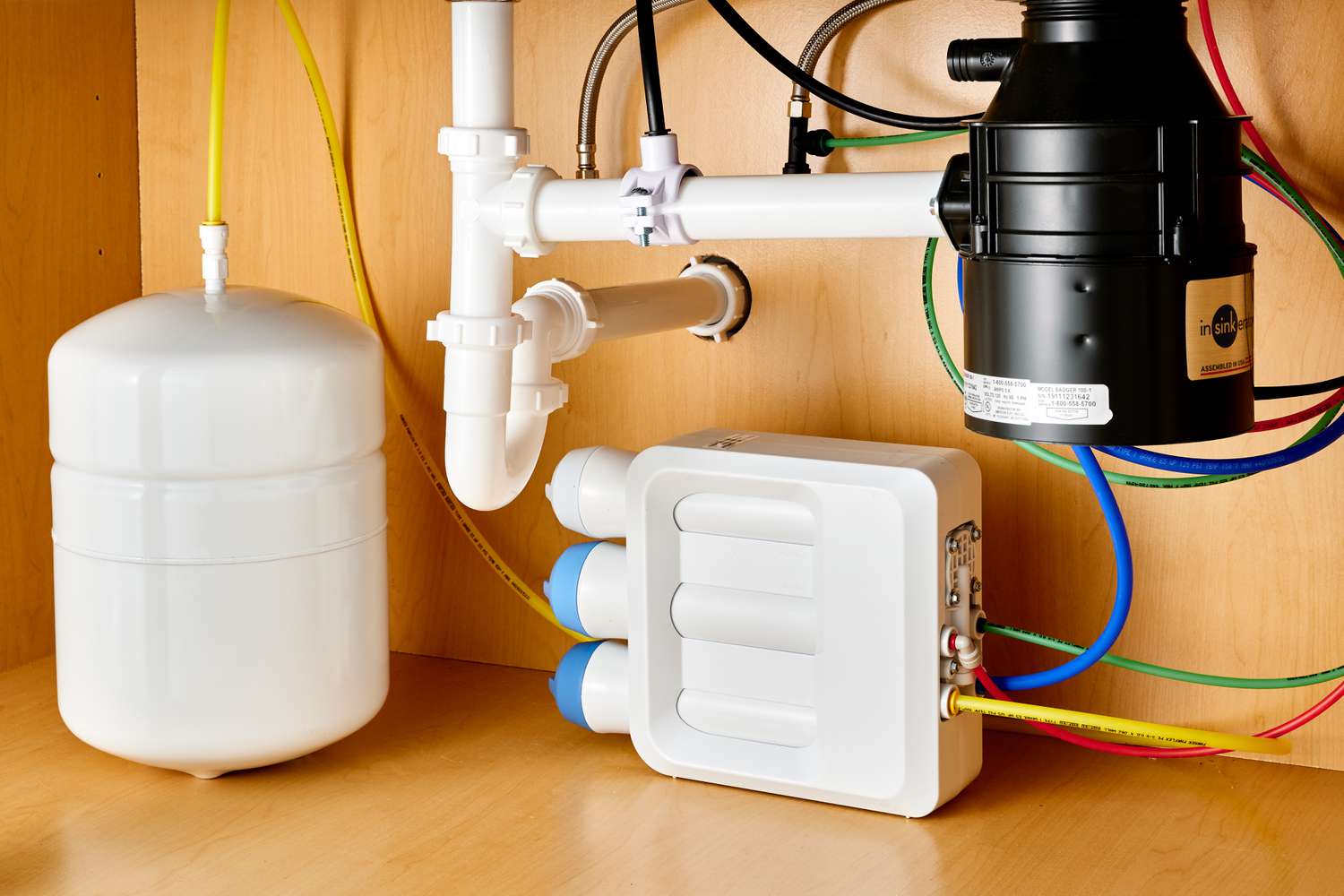
    Many families install reverse osmosis units beneath the kitchen sink because that’s where most drinking water is used. Others pair them with whole-house treatment systems to create a more complete approach to water quality.

    Like any filtration technology, routine maintenance is important. Replacing filters on schedule helps maintain performance and keeps water quality consistently high.

    Maintenance Is Easier Than Most People Expect

    One misconception about water treatment equipment is that it requires constant attention. In reality, most modern systems are designed to operate with very little day-to-day involvement.

    Maintenance generally consists of replacing filters at recommended intervals, checking salt levels if a softener is installed, and scheduling occasional inspections when necessary.

    Ignoring maintenance, however, can reduce efficiency and limit the effectiveness of the system over time. A few simple maintenance habits usually provide years of dependable performance while protecting your investment.

    Thinking Long-Term Instead of Short-Term

    Many homeowners compare systems only by purchase price. While budget matters, it’s equally important to consider long-term value.

    Reliable equipment can reduce appliance wear, minimize plumbing repairs, improve energy efficiency, and decrease the amount of bottled water a household consumes. Those savings often accumulate gradually, making quality water treatment a worthwhile investment rather than simply another household expense.

    Just as importantly, there’s the comfort of knowing the water your family uses every day has been properly treated for your home’s specific needs.

    Better Water Creates a Better Home

    Clean water isn’t something you think about every minute—but when it’s working well, you notice the difference in subtle ways. Coffee tastes better. Showers feel more comfortable. Appliances stay cleaner. Glassware sparkles without endless polishing.

    Finding the right water treatment solution isn’t about following trends or buying the biggest system available. It’s about understanding your home’s water, choosing equipment that addresses real concerns, and maintaining it consistently over time.

    In the end, better water isn’t only about what’s coming out of the tap. It’s about creating a healthier, more comfortable home where the little everyday moments become just a bit easier—and those improvements tend to add up faster than most people expect.