

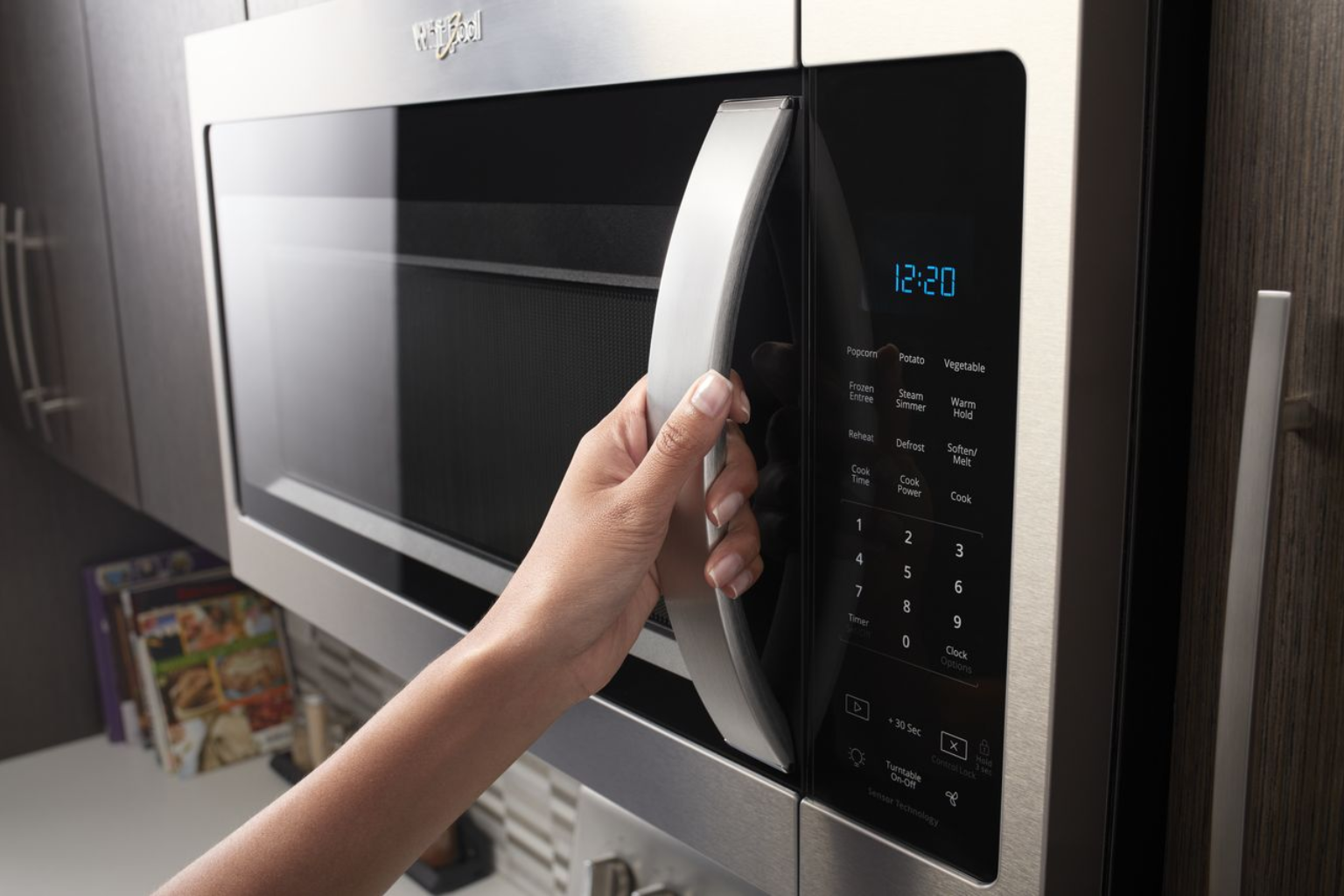

There’s a specific kind of annoyance that comes from pressing the microwave button and getting… nothing. No hum. No light. No gentle whirr that usually signals dinner is on its way. Just silence.
It’s such a small appliance, really. It doesn’t anchor the kitchen like a refrigerator or dominate a wall like an oven. But when it stops working, you realize how much you rely on it. Leftovers. Late-night snacks. That cup of coffee you’ve reheated twice already. Suddenly, your rhythm is off.
I’ve had that moment — standing in front of a microwave that refused to cooperate, half-annoyed and half-confused. The good news? Many microwave issues are simpler than they first appear. The key is approaching the problem calmly instead of assuming the worst.
Start with the Basics Before You Panic
Before you dive into complex explanations, check the obvious things. Is it plugged in securely? Did the breaker trip? Has the outlet stopped working? It sounds almost too simple, but you’d be surprised how often power issues are the culprit.
When you begin microwave not working troubleshooting, the goal isn’t to play technician. It’s to rule out easy fixes first. If the display is blank, test the outlet with another device. If the microwave runs but doesn’t heat, that’s a different conversation entirely.
Sometimes the issue lies in the door switch. Microwaves are designed with safety interlocks — if the door isn’t properly latched, the unit won’t operate. A worn-out latch or faulty switch can mimic a much bigger problem.
Other times, it’s a blown internal fuse. That’s not uncommon, especially after a power surge. But here’s where I pause and offer some honest advice: microwaves contain high-voltage components that can store electricity even when unplugged. Internal repairs aren’t ideal DIY territory. If you suspect anything beyond a simple power issue, it’s wise to call a professional.
When It Runs But Doesn’t Heat
This is where frustration really kicks in. The turntable spins. The timer counts down. Everything looks normal — except your food comes out cold.
Often, this points to a magnetron issue. The magnetron is the component that generates heat in a microwave. If it fails, the unit can appear fully functional while doing absolutely nothing useful.
Replacing a magnetron isn’t always cheap. And depending on the age of your microwave, it might make more financial sense to replace the appliance entirely. Countertop models are relatively affordable compared to built-in or over-the-range units.
But before jumping to conclusions, have a technician confirm the diagnosis. Guesswork leads to wasted money. Proper evaluation leads to clarity.
Strange Noises and Odd Smells
If your microwave suddenly sounds like it’s hosting a small thunderstorm, pay attention. Loud buzzing or grinding noises can signal issues with internal components or debris caught in the turntable mechanism.
Burning smells are another red flag. Sometimes it’s as simple as food residue heating up inside the cavity. Other times, it could indicate electrical problems.
Cleaning matters more than we often realize. Built-up grease and food particles don’t just look unpleasant — they can interfere with performance and even create safety risks.
Which brings me to a broader point about appliance care tips.
Care Is Easier Than Repair
Microwaves, like most appliances, respond well to simple maintenance. Wipe down the interior regularly. Avoid running the unit empty. Use microwave-safe containers. Don’t slam the door shut.
These aren’t groundbreaking insights. But they extend the lifespan of the appliance significantly.
The same principle applies across the kitchen. Clean refrigerator coils. Clear dryer vents. Check dishwasher filters. Most breakdowns don’t come out of nowhere. They build gradually, fed by neglect and overuse.
It’s funny how we maintain our cars diligently but expect kitchen appliances to run forever without attention.
Repair or Replace? Be Honest With Yourself
If your microwave is over ten years old and facing a major component failure, replacement might be the smarter choice. Technology improves. Energy efficiency increases. And sometimes the cost of repair approaches the price of a new unit.
On the other hand, if the appliance is relatively new and the issue is minor, repairing it makes sense — financially and environmentally.
There’s no universal rule here. It’s about context. Age, usage, cost, and overall condition all matter.
Choosing the Right Help
If you decide to call a technician, look for transparency. Clear pricing. Warranty on parts and labor. Good reviews. Communication that makes sense.
A reliable professional should explain what failed, why it failed, and what your options are. You shouldn’t feel rushed or pressured into a decision.
And remember, sometimes the most valuable service is simply confirming whether repair is worthwhile at all.
Bringing Back the Everyday Comfort
When the microwave hums back to life — or when you install a new one that works smoothly — there’s a subtle sense of relief. Dinner is easier. Mornings move faster. The small conveniences return.
Appliances aren’t glamorous. They don’t demand attention when they’re functioning properly. But they quietly support daily life in ways we rarely appreciate until something goes wrong.
Approach problems with patience. Start with simple checks. Maintain what you can. Call for help when necessary.
Most importantly, don’t assume every malfunction is catastrophic. More often than not, it’s manageable. And with a little care and timely action, your kitchen — and your routine — can get back to normal faster than you think.