
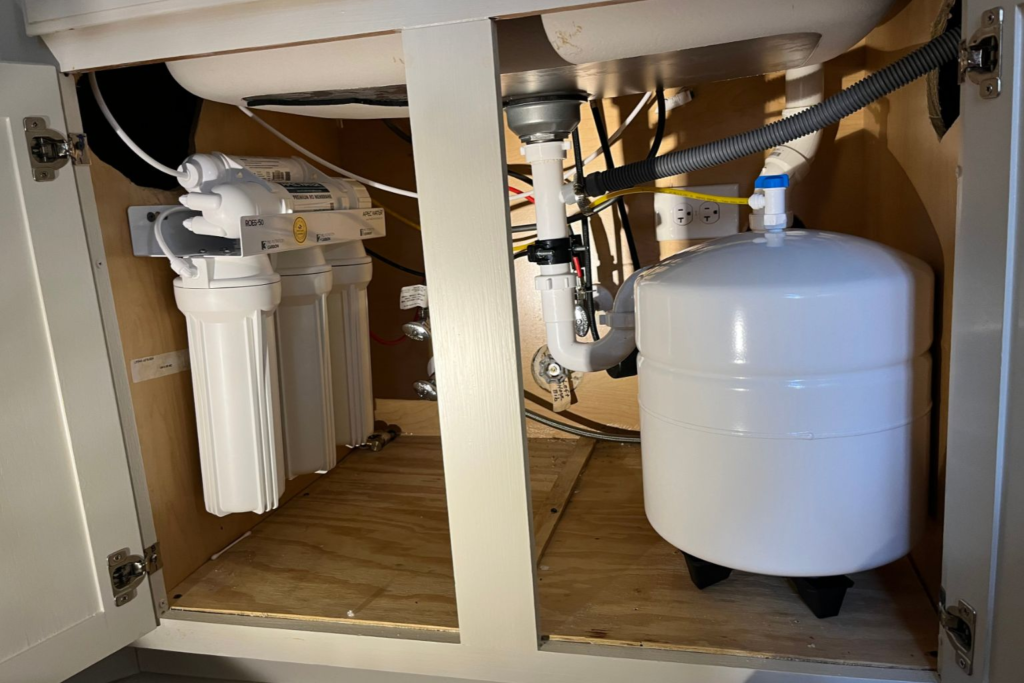
The Quiet Shift in How We Think About Water
Most people don’t think about water until something feels off. Maybe it’s the dry feeling on your skin after a shower, or the white spots that stubbornly cling to glasses no matter how many times they’re washed. Sometimes it’s a faint smell from the tap that makes you pause for a second longer than usual.
For many homeowners, that’s where the journey begins — not with panic, but with curiosity.
We start realizing that water isn’t just something we drink. It touches almost every part of daily life. It runs through appliances, affects our skin and hair, shapes the taste of meals, and quietly influences how comfortable our homes feel.
That realization is what’s driving a growing interest in more complete, thoughtful approaches to water treatment.
Why One Filter Is Often Not Enough
Traditional water filters are designed with a simple goal: remove visible particles and improve taste. And for many households, that works just fine.
But water quality issues can be more complex than they appear.
Hard minerals can damage appliances and leave residue on surfaces. Bacteria and microorganisms can exist even in treated water supplies. Chemical contaminants, though present in safe levels, may still influence taste or odor.
This is why modern homeowners are moving beyond single-point filters toward whole home solutions that treat water at the source — before it reaches faucets, showers, and appliances.
Related brief: # Why Better Water at Home Starts With the Right Filtration Choices
Instead of focusing only on drinking water, these systems address water quality throughout the entire house.
The Impact of Hard Water on Everyday Living
One of the most common water challenges is hardness, caused by high concentrations of calcium and magnesium.
Hard water doesn’t pose a health risk, but it can create noticeable inconveniences. Soap doesn’t lather well, dishes develop cloudy spots, and plumbing systems gradually accumulate mineral deposits.
Over time, this buildup can reduce appliance efficiency and increase maintenance costs.
That’s why many homeowners explore water softener pairing as part of a broader water treatment strategy.
When integrated with filtration systems, water softeners help reduce mineral content while improving the performance of other purification components.
The result is smoother water that feels gentler on skin, prolongs appliance lifespan, and simplifies cleaning routines.
Related brief: What Really Happens Inside Your Water Filter (And Why It Matters More Than You Think)
Protecting Against Invisible Microorganisms
While mineral content affects comfort and efficiency, microbial contamination raises different concerns altogether.
Even treated municipal water can occasionally carry bacteria or viruses, particularly in areas with aging infrastructure or during supply disruptions.
This is where uv disinfection technology plays an important role.
UV systems use ultraviolet light to neutralize microorganisms without adding chemicals. Unlike chlorine-based treatments, UV disinfection does not alter taste or introduce additional substances into the water.
It works silently, continuously providing protection at the point where water enters the home.
For households seeking an extra layer of safety, UV treatment offers peace of mind without complicating daily routines.
How Integrated Water Systems Work Together
Modern home water treatment often involves combining multiple technologies into a single coordinated system.
The process typically begins with sediment filtration to remove visible particles. Next, activated carbon filters address chlorine and organic compounds.
Related brief: The Water Behind Your Operations: Why It Matters More Than You Think
Water softeners reduce mineral content, improving both comfort and appliance performance. Finally, UV disinfection systems neutralize potential microbial threats.
Each stage addresses a different aspect of water quality, creating a comprehensive solution that works seamlessly in the background.
Homeowners often describe the experience as transformative — not dramatic, but quietly noticeable in everyday life.
Everyday Benefits That Add Up
Improved water quality influences far more than drinking habits.
Showers feel gentler on skin and hair. Laundry becomes softer without excessive detergent use. Appliances like dishwashers and water heaters operate more efficiently.
Even cooking benefits, as cleaner water allows natural flavors to shine through.
These small improvements collectively enhance comfort and convenience in ways that many homeowners don’t fully appreciate until they experience the difference firsthand.
Related brief: Why the Best Water Treatment System Is About More Than Just the Equipment
Choosing the Right System for Your Home
Selecting an appropriate water treatment system requires understanding local water conditions and household needs.
Testing water quality is typically the first step. This helps identify issues such as hardness levels, chlorine content, or microbial concerns.
From there, homeowners can evaluate system capacity, installation requirements, and maintenance considerations.
Professional consultation often helps ensure that each component works together effectively within the overall system.
Making informed choices ensures long-term reliability and value.
Maintenance: Keeping Systems Running Smoothly
Even advanced water treatment systems require regular upkeep to remain effective.
Filters need periodic replacement, softeners require salt replenishment, and UV lamps must be changed according to recommended schedules.
Related brief: Sometimes It Starts With a Glass of Water That Doesn’t Feel Quite Right
Fortunately, modern systems often include automated indicators that simplify maintenance planning.
With proper care, integrated water treatment systems can provide consistent performance for many years.
The Future of Home Water Treatment
Water purification technology continues to evolve rapidly.
Smart monitoring systems now allow homeowners to track water quality in real time through mobile apps. New filtration materials are improving efficiency while reducing environmental impact.
There’s also growing emphasis on sustainability, with systems designed to minimize water waste and energy consumption.
These innovations promise to make comprehensive water treatment more accessible and user-friendly in the future.
A Quiet Investment in Daily Comfort
Water may seem like the most ordinary part of a home, yet its quality influences countless aspects of daily living.
From protecting appliances to improving personal comfort and ensuring safety, integrated water treatment systems offer benefits that extend far beyond basic filtration.