
Author: 7le3vl

  • Why the Water at Your Kitchen Tap Deserves a Second Look

    Why the Water at Your Kitchen Tap Deserves a Second Look

    There’s a quiet kind of trust we place in our tap water. You turn the handle, it flows, and that’s usually the end of the story. No questions asked. But every now and then, something nudges that trust just a little — a faint taste, a cloudy swirl, or maybe just a thought that lingers longer than it should.

    Is this really as clean as it looks?

    It’s not a dramatic realization. More like a slow curiosity that builds over time. And once it’s there, you start noticing things you didn’t before.

    The Layers We Don’t See

    Water is rarely just “water.” By the time it reaches your home, it has passed through treatment plants, pipelines, storage systems — each step adding or removing something along the way.

    What’s left is generally safe, yes. But “safe” doesn’t always mean ideal.

    That’s where systems like a multi stage filtration system come into the picture. Instead of relying on a single filter, these setups work in layers — each stage targeting different types of impurities. Sediments, chlorine, organic compounds… one step at a time, the water is refined.

    It’s a bit like peeling back layers of an onion, except in reverse — you’re removing what doesn’t belong, gradually, until what’s left feels cleaner and more balanced.

    And the beauty of it is, you don’t see any of this happening. It all takes place behind the scenes.

    A Closer Look at What Actually Gets Filtered

    If you’ve ever wondered how these systems manage to remove such tiny impurities, the answer lies in something surprisingly precise.

    Processes like semipermeable membrane filtration are designed to allow water molecules through while blocking larger contaminants. It’s incredibly fine — the kind of filtration that works on a microscopic level.

    You don’t need to understand the science in detail to appreciate the result. Water that feels lighter, tastes cleaner, and behaves the way you expect it to.

    Still, it’s fascinating to think about. That something so simple — turning on a tap — can involve such intricate processes behind the scenes.

    The Simplicity of Fixing It at the Source

    Not everyone wants a complex system installed across their entire home. And honestly, not every situation calls for it.

    Sometimes, the most effective approach is also the simplest — focusing on the point where you use water the most.

    A kitchen sink water filter does exactly that. It targets the water you drink and cook with, right where you need it. No major changes to your plumbing, no complicated setup.

    It’s practical. Direct. And for many households, it’s enough to make a noticeable difference.

    You fill a glass, take a sip, and immediately feel that something has improved. Not dramatically, but clearly.

    The Subtle Changes That Add Up

    What’s interesting is how quickly these changes become part of your routine.

    At first, you notice the taste. Then you notice how your tea or coffee feels slightly different — smoother, maybe. Cooking feels a bit more consistent. Even washing fruits and vegetables feels more reassuring.

    These are small things, individually. But together, they shift how your kitchen feels as a whole.

    And once you get used to it, it’s hard to imagine going back.

    It’s Not Always About Big Problems

    One of the misconceptions about water filtration is that it’s only necessary when there’s a major issue. Contamination, visible impurities, strong odors.

    But in reality, many people turn to filtration not because something is wrong, but because they want something better.

    Better taste. Better clarity. Better confidence.

    It’s less about fixing a problem and more about improving an experience.

    Finding What Works Without Overthinking It

    The world of water filtration can feel overwhelming if you dive too deep. There are so many options, technologies, and opinions that it’s easy to get stuck.

    But it doesn’t have to be complicated.

    Start with what you notice. Taste, smell, clarity — these are good indicators. If something feels off, there’s usually a solution that addresses it directly.

    You don’t need the most advanced system on the market. You just need one that fits your needs.

    And often, that’s simpler than it sounds.

    The Quiet Comfort of Knowing

    There’s a certain peace of mind that comes with trusting your water.

    Not questioning it. Not hesitating before using it. Just… knowing it’s good.

    It’s not something you think about constantly, but it sits there in the background, making everyday tasks a little easier.

    And that’s the thing — good water doesn’t demand attention. It blends into your routine so seamlessly that you almost forget it’s there.

    Bringing It Back to Something Simple

    At its core, water should feel simple.

    You shouldn’t have to analyze it, question it, or adjust your habits around it. It should just work — clean, clear, and reliable.

    Whether you choose a layered filtration approach, a more advanced membrane process, or a simple kitchen solution, the goal is the same.

    To bring water back to what it’s meant to be.

    Something you can trust without thinking twice.

    And when you reach that point, you realize — it was never about the system itself. It was about restoring something that should’ve felt right all along.
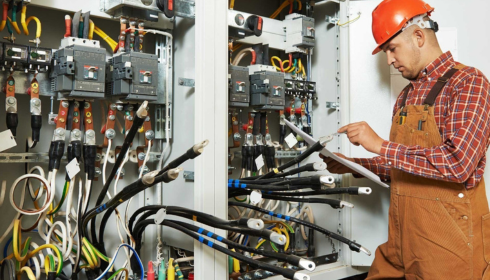
  • When Electrical Problems Start Conversations: Why Good Communication Matters Before Any Wiring Begins

    When Electrical Problems Start Conversations: Why Good Communication Matters Before Any Wiring Begins

    There’s a moment most homeowners recognize — that small pause when a flickering light or a stubborn outlet makes you wonder if something deeper is going on behind the walls. Electrical systems are funny that way. They’re invisible most of the time, quietly powering our lives, until something feels… off. And when that moment arrives, the solution isn’t always just replacing a switch or tightening a wire. Often, it begins with a conversation.

    In many homes and businesses, electrical issues start with simple electrical service requests. Someone notices a buzzing breaker panel, a kitchen circuit that trips too often, or maybe an outdoor light that stopped working months ago and finally needs attention. These requests may seem small, but they often open the door to understanding the bigger picture of a building’s electrical health.

    The Quiet Complexity Behind Every Outlet

    Electricity is one of those systems people rarely think about until it misbehaves. We plug in devices without a second thought. Coffee machines hum, laptops charge, ceiling fans spin overhead. Yet behind every outlet lies a network of circuits, load calculations, grounding systems, and safety measures designed to keep everything running smoothly.

    A homeowner might assume a breaker tripping occasionally is normal. Sometimes it is. Other times, it signals an overloaded circuit or outdated wiring that simply wasn’t designed for today’s technology-heavy lifestyle. Think about it: decades ago, homes weren’t running gaming consoles, smart appliances, multiple televisions, and a dozen chargers simultaneously.

    When professionals step in to assess the issue, the goal isn’t just fixing what’s broken. It’s understanding how the entire system interacts. Electrical systems, like ecosystems, function best when all the parts work together.

    Why Conversations Come Before Solutions

    Before any wires are touched or panels opened, electricians often spend time talking with the homeowner or building manager. These conversations might sound casual, but they’re incredibly valuable.

    Where did the problem start?
    When does it happen most often?
    Did any renovations or appliance upgrades happen recently?

    Questions like these help shape the direction of an electrical project discussion. It’s not just about diagnosing a problem — it’s about understanding the context around it.

    Maybe the issue started after installing a new air conditioning system. Perhaps a kitchen remodel introduced several high-powered appliances on the same circuit. Sometimes the problem goes even further back, tied to original wiring installed decades earlier.

    These discussions are less about technical jargon and more about piecing together a story. And every building has one.

    Old Homes, New Demands

    If you’ve ever lived in an older home, you know the charm comes with quirks. Beautiful woodwork, classic architecture… and occasionally wiring that hasn’t been updated since the 1970s.

    Electrical infrastructure evolves the same way technology does. What worked perfectly for a household 40 years ago might struggle under modern electrical loads.

    Consider kitchens, for example. Today’s kitchens run multiple appliances at once: induction cooktops, dishwashers, microwaves, air fryers, refrigerators with built-in displays. That’s a lot of power flowing through circuits that might have originally supported just a toaster and a coffee maker.

    During planning stages, electricians often recommend upgrades not simply because something failed, but because they can see the system approaching its limits.

    Planning Makes the Difference

    One of the biggest mistakes people make is waiting until a problem becomes urgent. A breaker trips repeatedly for months, lights flicker occasionally, or outlets feel warm — and these warning signs get ignored until something stops working entirely.

    Taking time for a consultation appointment can prevent those emergencies. It gives homeowners the chance to understand their electrical system before issues escalate.

    During these consultations, professionals evaluate several factors:

    • Overall load capacity

    • Panel condition and available circuits

    • Wiring age and insulation quality

    • Safety compliance with modern electrical codes

    Sometimes the outcome is reassuring — the system is solid, and only minor adjustments are needed. Other times, it reveals opportunities to improve efficiency, safety, or future expansion.

    Businesses Face a Different Challenge

    Residential electrical needs are one thing. Commercial properties introduce a whole different level of complexity.

    Offices, retail stores, and industrial spaces often rely on uninterrupted power for operations. A brief outage can disrupt work, halt sales systems, or affect equipment that needs stable voltage levels.

    That’s why businesses often approach electrical work more strategically. Instead of reacting to problems, they plan upgrades around expansion, equipment upgrades, or energy efficiency goals.

    For instance, a company installing EV charging stations in its parking lot will need to evaluate transformer capacity, load distribution, and safety compliance. Similarly, restaurants introducing new kitchen equipment must ensure circuits can handle the added demand.

    In these cases, electrical planning becomes part of a broader operational strategy.

    Safety Is Always the Unspoken Priority

    Electricity is incredibly useful, but it’s also unforgiving. Loose connections, outdated wiring, or overloaded circuits can create hazards that remain hidden until something serious occurs.

    Professional electricians spend much of their time preventing problems people never see. They secure connections, ensure proper grounding, test breaker performance, and verify that every part of the system meets safety standards.

    It might seem routine, but these details matter. A well-maintained electrical system quietly protects the building and everyone inside it.

    The Human Side of Technical Work

    Here’s something people don’t often think about: electrical work isn’t just technical — it’s collaborative.

    Homeowners share concerns. Business owners explain operational needs. Electricians interpret both and translate them into practical solutions. Somewhere in the middle of all that communication, the real work happens.

    There’s something reassuring about that process. Instead of jumping straight into repairs, professionals take time to understand the bigger picture.

    It turns what could be a stressful situation into something more manageable — a problem solved through conversation, experience, and careful planning.

    When the Lights Stay On

    At the end of the day, the goal of any electrical system is simple: reliability. Lights turn on when you flip the switch. Devices charge. Appliances run smoothly. Life moves along without interruption.

    Most people will never see the wiring behind their walls, and honestly, that’s a good thing. It means the system is doing exactly what it should.

    But when something feels unusual — a flicker here, a breaker trip there — it’s worth paying attention. Because sometimes the smallest electrical issue is just the beginning of a conversation that leads to a safer, smarter, and more reliable system overall.

  • Maximize Storage Efficiency with One Stop Pallet Racking Solutions

    Maximize Storage Efficiency with One Stop Pallet Racking Solutions

    Efficient warehouse storage is the foundation of a productive supply chain and a competitive business operation. Whether you are managing a small distribution centre, a large-scale logistics operation, or anything in between, the right pallet racking solutions can dramatically improve your space utilisation, operational efficiency, inventory management, and workplace safety across Australia.

    This comprehensive guide explores the key considerations for selecting, installing, and maintaining pallet racking solutions, helping you make informed decisions that deliver lasting value and measurable returns. For expert solutions tailored to your specific warehouse needs, visit One Stop Pallet Racking Solutions and explore options designed and engineered specifically for Australian warehouses and distribution centres.

    Why Pallet racking solutions Are Essential for Modern Warehouses

    In an increasingly competitive marketplace where customer expectations continue to rise, warehouse efficiency is a critical differentiator that directly impacts your bottom line. Pallet racking solutions transform underutilised vertical space into productive storage capacity, enabling businesses to store significantly more product in less floor area. This directly reduces per-unit storage costs, improves inventory accessibility, and accelerates order fulfilment times.

    Australian warehouses face unique challenges including high real estate costs in metropolitan areas, strict workplace health and safety regulations under the WHS Act, the need to accommodate diverse product ranges and pallet sizes, and increasingly demanding delivery timeframes driven by e-commerce growth. Professional pallet racking solutions address these challenges with engineered solutions that maximise every cubic metre of available space.

    Key Benefits of Professional Racking Systems

    • Maximised Storage Capacity: Properly designed racking systems can increase storage capacity by 50 per cent or more compared to floor-stacked or ad-hoc storage arrangements, allowing you to defer or avoid costly warehouse expansions.
    • Improved Operational Efficiency: Organised, accessible storage enables faster picking, packing, and dispatch operations, reducing labour costs per order and improving accuracy rates significantly.
    • Enhanced Workplace Safety: Engineered racking systems are designed to safely support specified loads at defined heights, reducing the risk of product damage, pallet collapse, and workplace injuries.
    • Better Inventory Management: Structured storage facilitates systematic inventory control, including FIFO (first in, first out) and LIFO (last in, first out) management strategies, reducing waste and obsolescence.
    • Scalability: Modular racking systems can be expanded, reconfigured, or relocated as your business grows and storage requirements change, protecting your initial investment.

    Types of Pallet Racking Systems

    Selecting the right type of racking system depends on your product characteristics, access requirements, throughput volume, available floor space, and operational priorities. Understanding the options available helps you choose the system that best aligns with your specific operational needs and business goals.

    • Selective Racking: The most common and versatile system, providing direct access to every pallet position. Ideal for warehouses with diverse product ranges, high turnover rates, and the need for maximum flexibility.
    • Double Deep Racking: Stores pallets two deep, increasing storage density by approximately 30 per cent while maintaining reasonable access. Requires a reach truck or double-deep forklift for operation.
    • Drive-In/Drive-Through Racking: High-density storage solution for homogeneous products with lower turnover. Forklifts drive directly into the racking structure to place and retrieve pallets, maximising space but limiting selectivity.
    • Narrow Aisle Racking: Reduces aisle widths from standard 3.5 metres to as little as 1.6 metres, maximising storage density per square metre. Requires specialised narrow-aisle forklifts but delivers significantly more storage capacity.
    • Cantilever Racking: Specifically designed for long, bulky, or irregularly shaped items such as timber, piping, steel sections, and sheet materials that do not fit on standard pallets.

    Selecting the Right System across Australia

    Choosing the optimal racking system requires a thorough assessment of your current and projected storage needs. A professional supplier will conduct a detailed site survey, analyse your product profiles and throughput patterns, and design a system that maximises your specific space while optimising operational workflows and material handling efficiency.

    1. Assess your current storage volumes and forecast growth over the next three to five years, accounting for seasonal peaks and business expansion plans.
    2. Document your product range including pallet sizes, weights, stacking limitations, and any special handling requirements such as temperature sensitivity or hazardous goods classification.
    3. Evaluate your material handling equipment and determine whether existing forklifts and reach trucks are compatible with proposed racking configurations and aisle widths.
    4. Consider your order picking processes and how different racking configurations support efficient workflows, batch picking, and wave management strategies.
    5. Review your budget comprehensively, including supply, installation, floor preparation, fire protection upgrades, and any required building or council permits.
    6. Engage a reputable supplier who provides end-to-end services including design, engineering certification, supply, professional installation, and compliance documentation.

    Installation, Compliance, and Safety

    Pallet racking installation in Australia must comply with AS 4084 — the Australian Standard for steel storage racking. This comprehensive standard covers design, manufacturing, installation, and use of racking systems, and compliance is a legal requirement under workplace health and safety legislation in every state and territory.

    Professional installation is essential for safety, compliance, and warranty protection. A certified installer ensures that racking is assembled correctly according to manufacturer specifications, properly anchored to the concrete floor slab, levelled precisely, and fitted with appropriate safety accessories including frame protectors, end-of-aisle guards, row spacers, and clearly visible load signage.

    Regular Safety Inspections

    Once installed, pallet racking requires regular inspection and maintenance to ensure ongoing safety and structural performance. Damage from forklift impacts, overloading beyond rated capacity, and environmental factors such as moisture and temperature can compromise structural integrity over time. Australian Standards recommend a comprehensive inspection by a qualified racking inspector at least annually, with more frequent visual checks conducted by trained warehouse staff.

    • Monthly Visual Inspections: Warehouse staff should conduct documented monthly visual checks for obvious damage, missing components, beam displacement, and any signs of overloading or misuse.
    • Annual Comprehensive Inspections: A qualified inspector should conduct a detailed annual assessment including measurement of frame verticality, beam deflection under load, connection integrity, and anchor bolt condition.
    • Immediate Damage Reporting: Any collision or impact damage should be reported and documented immediately, and affected bays should be unloaded and isolated until assessed and repaired by a qualified person.

    Cost Considerations and Return on Investment

    Investing in quality pallet racking solutions delivers measurable returns through increased storage capacity, improved operational efficiency, reduced product damage, and fewer workplace safety incidents. When evaluating costs, it is essential to consider the total cost of ownership rather than focusing solely on the initial purchase price.

    Quality racking systems from reputable manufacturers and certified installers typically offer service lives of 15 to 25 years with proper maintenance and care. When the investment is spread over this lifespan, the daily cost of professional racking is remarkably low — particularly when compared to the alternative costs of leasing larger premises, tolerating inefficient operations, or dealing with safety incidents and workers compensation claims.

    Conclusion: Invest in Storage That Works as Hard as You Do

    The right pallet racking solutions across Australia transform your warehouse from a simple storage space into a strategic business asset that drives efficiency, safety, and profitability. By maximising storage capacity, improving operational workflows, and ensuring workplace safety compliance, professional racking systems deliver value that extends far beyond the warehouse floor and into every aspect of your supply chain.

    Partner with an experienced supplier who understands Australian conditions, regulatory requirements, and the specific challenges of your industry. Your warehouse is the engine of your supply chain — equip it with the systems, design, and expertise it needs to perform at its absolute best, today and for years to come.

  • When Home Appliances Break Down: A Practical Guide to Getting Them Fixed Without the Stress

    When Home Appliances Break Down: A Practical Guide to Getting Them Fixed Without the Stress

    There’s a certain moment of panic every homeowner knows too well. Maybe the refrigerator suddenly stops cooling, the washing machine refuses to spin, or the oven simply won’t heat up on the day you planned a big dinner. Appliances quietly run our homes day after day, so when one stops working, it feels like the entire routine gets thrown off balance.

    Most of us don’t think much about these machines until they fail. And when they do, the big question becomes: What now? Do you try fixing it yourself, replace the appliance entirely, or bring in a professional?

    The truth is, appliance breakdowns are a normal part of owning household equipment. What matters more is how quickly and efficiently you deal with the issue. Understanding the repair process—and knowing when to reach out for help—can save time, money, and plenty of frustration.

    Why Appliances Fail More Often Than We Expect

    It’s easy to assume appliances should last forever. After all, they’re built to handle daily use. But the reality is a bit different. Every appliance contains moving parts, electronics, and mechanical components that slowly wear down over time.

    Take washing machines, for example. They deal with water pressure, spinning drums, detergent residue, and constant vibration. Over the years, belts loosen, pumps clog, and sensors fail.

    Refrigerators face their own challenges. Dust accumulation around condenser coils, fluctuating power supply, and overloading can gradually affect cooling performance.

    Then there are dishwashers, ovens, dryers, and microwaves—each with their own list of potential issues. Some problems appear suddenly, while others develop slowly until the appliance simply stops working.

    What surprises many homeowners is how small the original problem often is. A blocked filter, a worn gasket, or a faulty thermostat can lead to a complete shutdown.

    The Temptation of DIY Repairs

    Let’s be honest—most of us have tried fixing something ourselves after watching a quick online tutorial. Sometimes it works. Other times… well, things get a little worse.

    Simple maintenance tasks are usually safe to handle yourself. Cleaning refrigerator coils, replacing a dishwasher filter, or unclogging a washing machine drain hose can extend the life of your appliances.

    But more complicated repairs can be risky.

    Modern appliances contain sensitive electronics, heating elements, and pressurized systems. Opening them without proper tools or experience can damage internal components—or even create safety hazards.

    That’s why many homeowners eventually choose to schedule appliance repair rather than experiment with a complicated fix. Professional technicians not only understand how appliances work but also recognize warning signs most people overlook.

    And sometimes, the difference between a quick repair and a complete replacement comes down to diagnosing the issue correctly the first time.

    Signs Your Appliance Needs Professional Attention

    Appliances rarely stop working without warning. Most of the time, they give subtle clues before a full breakdown occurs.

    You might notice unusual noises from your washing machine, a refrigerator that feels warmer than usual, or a dryer taking longer to finish a cycle.

    Other common signs include:

    • Water leaks around appliances

    • Burning or unusual smells

    • Repeated error codes on digital displays

    • Inconsistent temperatures in ovens or refrigerators

    • Increased energy bills without explanation

    Ignoring these symptoms often leads to bigger problems. What starts as a small repair can quickly turn into an expensive replacement if left unchecked.

    In many cases, addressing the issue early allows technicians to fix the problem quickly—sometimes within a single visit.

    Choosing the Right Repair Service

    Not all appliance repair services are created equal. A good repair technician does more than just fix the immediate problem—they help prevent future issues.

    Experience matters. Appliances from different manufacturers use different systems and technologies, so technicians who regularly work with multiple brands tend to diagnose issues faster.

    Transparency is another important factor. Reliable repair services explain the problem clearly, outline possible solutions, and provide cost estimates before beginning the repair.

    Communication also plays a role. Some homeowners prefer to call for service when an urgent issue arises, especially if the refrigerator stops cooling or the dishwasher floods the kitchen floor. Speaking directly with a technician or support representative can provide quick reassurance.

    Others prefer scheduling appointments online, especially for non-urgent repairs.

    Either way, clear communication usually leads to faster and smoother repairs.

    The Role of Modern Customer Support

    Appliance repair companies have evolved quite a bit in recent years. Many now offer multiple ways to connect with support teams, making the process easier for customers.

    Phone support remains popular for urgent repairs, but digital communication is quickly catching up. Many companies now allow homeowners to request diagnostics, send photos of appliance issues, or even receive troubleshooting guidance through email support.

    This kind of convenience can save time and help technicians prepare before arriving at your home. When they already understand the symptoms, they can bring the right tools and replacement parts.

    And that often means fewer visits—and faster repairs.

    Preventing Future Appliance Breakdowns

    Of course, the best repair is the one you never need. While appliances will eventually wear out, proper maintenance can significantly extend their lifespan.

    Simple habits make a big difference.

    Clean refrigerator coils every few months. Avoid overloading washing machines and dryers. Check appliance hoses for leaks or cracks. Run cleaning cycles for dishwashers and washing machines to prevent buildup.

    It may sound obvious, but many breakdowns happen simply because appliances aren’t maintained regularly.

    Think of it like car maintenance. Small checkups prevent large repairs later.

    Final Thoughts: Repairing Appliances Without the Headache

    Appliance problems always seem to happen at the worst possible moment. Right before guests arrive. During a busy week. Or just when everything else already feels overwhelming.

    But dealing with them doesn’t have to be complicated.

    Understanding how appliances fail, recognizing early warning signs, and knowing when to call a professional can turn a stressful situation into a manageable one.

    In the end, appliances are just tools designed to make daily life easier. And when they stop working, the right repair approach—combined with a bit of patience—can get your household running smoothly again.

  • Why Modern Homes Are Turning to Smarter Water Treatment Systems

    Why Modern Homes Are Turning to Smarter Water Treatment Systems

    There’s something quietly comforting about turning on a tap and knowing the water flowing out is clean, safe, and pleasant to drink. Yet, for many homeowners, that simple expectation isn’t always guaranteed. Depending on where you live, water can carry minerals, chlorine, sediment, or even trace contaminants that affect its taste, smell, and overall usability.

    And while bottled water might feel like a quick fix, it doesn’t really solve the underlying issue. In fact, more people today are realizing that the real solution lies inside the home itself—through better filtration systems designed to improve everyday water use.

    Over the last few years, water treatment technology has quietly evolved. What used to be bulky, confusing equipment tucked away in basements is now smarter, more efficient, and surprisingly adaptable to different households.

    Let’s explore why homeowners are paying closer attention to their water—and what modern solutions actually look like.

    The Quiet Impact of Everyday Water

    Think about how often water shows up in daily life. It’s in the coffee you brew each morning, the vegetables you wash for dinner, the showers that start your day, and the laundry spinning in the background.

    Now imagine that same water carrying excess minerals, chlorine, or sediments. You might notice dry skin after showers, white residue on faucets, dull-looking laundry, or appliances that wear out faster than they should.

    Many people shrug these issues off as normal. But they’re often signs that the water quality could be improved.

    Improving water inside the home isn’t just about drinking. It affects plumbing, appliances, skin health, and even how food tastes. Once people recognize that, the interest in better filtration systems makes perfect sense.

    Why One-Size-Fits-All Filtration Rarely Works

    Here’s the thing: water isn’t the same everywhere. Two homes in the same city might have completely different water profiles depending on the pipes, groundwater minerals, or municipal treatment processes.

    That’s why cookie-cutter filtration systems often fall short.

    Instead, more homeowners are exploring customized filtration solutions that target the specific characteristics of their local water supply. Maybe the issue is hard water. Maybe it’s chlorine taste. In other cases, it might be sediment or iron.

    The best filtration setups start with understanding what’s actually in the water. A proper test can reveal mineral levels, contaminants, and other elements that influence water quality.

    Once those factors are known, filtration systems can be tailored accordingly—rather than guessing and hoping for the best.

    When the Whole Home Benefits

    Some filtration systems only treat water at a single tap, like a kitchen sink or refrigerator. While that helps with drinking water, it doesn’t address the water used for showers, laundry, dishwashing, or cleaning.

    That’s where whole house solutions come into the conversation.

    These systems are installed at the point where water enters the home, meaning every tap and appliance receives treated water. The benefits can be surprisingly noticeable. Softer laundry. Less scale buildup on fixtures. Showers that feel gentler on skin and hair.

    Homeowners often say the difference is subtle at first, then suddenly obvious once they’ve lived with treated water for a while.

    It’s not dramatic in a flashy way. It’s more like realizing your home just works a little better every day.

    Technology Has Come a Long Way

    If you picture water treatment equipment as loud, complicated machinery from decades ago, you’re not alone. That reputation stuck around for a while.

    But modern systems are different.

    Many newer filtration and softening units are compact, efficient, and even connected to smart monitoring tools. Some systems track water usage or filtration performance automatically, letting homeowners know when maintenance is needed.

    The goal isn’t to make things complicated—it’s the opposite. Technology is quietly removing the guesswork.

    Instead of constantly worrying about filter replacements or system performance, homeowners can simply use their water and trust the system behind it.

    Health, Comfort, and Long-Term Value

    When people start researching water treatment, they usually focus on drinking water. That’s understandable. But once they dive deeper, they discover that the benefits go much further.

    Cleaner water can help reduce mineral buildup inside pipes and appliances. That alone can extend the lifespan of dishwashers, washing machines, and water heaters.

    There’s also the comfort factor. Skin irritation caused by harsh water conditions often improves when filtration systems are installed. Hair may feel softer, and soap tends to rinse away more easily.

    And then there’s the obvious advantage: enhanced water quality for cooking and drinking.

    Coffee tastes better. Ice cubes look clearer. Even simple things—like filling a glass of water at night—feel more reassuring.

    Over time, these small improvements add up to something meaningful.

    Choosing the Right Approach for Your Home

    Of course, installing a filtration system isn’t something most people do on a whim. It’s worth taking time to evaluate the options and understand what your household actually needs.

    Water testing is a good starting point. It removes guesswork and provides a clear picture of what’s happening inside your plumbing.

    From there, a combination of filtration, softening, or specialty treatment systems might be recommended depending on the situation.

    Some homes need sediment removal. Others benefit from carbon filtration. In regions with high mineral content, water softeners often become the main solution.

    The key is finding a system that fits the water—not forcing water to fit a generic system.

    A Simple Upgrade That Changes Daily Life

    It’s funny how the smallest improvements in a home can have the biggest impact. Better lighting, quieter appliances, or in this case, better water.

    Most people don’t think much about water until there’s a problem. But once they experience the difference that proper treatment makes, it’s hard to go back.

    Clean, balanced water quietly supports everything happening in the home—from cooking meals to washing clothes to taking a relaxing shower after a long day.

    And really, isn’t that what good home systems are supposed to do? Work quietly in the background, making everyday life just a little easier.

  • The Growing Popularity of Madhur Matka and Final Ank Trends

    final ank
    final ank

    The world of online matka gaming has changed rapidly over the last few years. What once started as a small local betting activity has now become a digital trend followed by thousands of enthusiasts every day. Among the many names in this space, madhur matka continues to attract players because of its long-standing popularity, daily result updates, and simple gameplay format. At the same time, players are constantly searching for accurate number patterns and prediction methods connected to the final result system.

    Many users today are not only interested in the game itself but also in understanding charts, guessing techniques, and result history. This growing interest has made matka-related platforms more active than ever before. People often spend hours analysing previous results and trying to identify repeating number combinations.

    Understanding the Basics of Matka Gaming

    Matka is generally based on number combinations and result guessing. Players select numbers according to their understanding or prediction methods and wait for the declared outcome. Over time, different markets and chart systems have evolved, making the process more detailed and engaging.

    One reason for the popularity of matka gaming is the simplicity of participation. Unlike many complicated online games, matka follows a straightforward number system. Even beginners can understand the basic concept within a short period.

    However, experienced players usually rely on older charts, pattern analysis, and market trends to improve their guesses. This is where result tracking becomes extremely important.

    Why Players Follow Result Charts Daily

    Result charts are considered one of the most important parts of matka gaming culture. These charts help players review previous outcomes and identify possible number sequences. Some players believe that repeated patterns can provide hints about future numbers.

    Daily charts also create excitement among users because every result can completely change prediction strategies. A single number sequence may influence the next day’s betting decisions for many players.

    Another reason charts remain popular is accessibility. Nowadays, multiple websites and mobile platforms publish instant updates, making it easier for players to stay connected throughout the day.

    The Importance of Number Prediction

    Prediction plays a major role in the final ank environment. Some people use personal logic, while others depend on mathematical patterns or historical charts. Even though no prediction method guarantees success, many players enjoy the analytical aspect of the game.

    Discussions around lucky numbers, open-close combinations, and guessing formulas are common across online communities. This has created a strong culture of sharing ideas and strategies among enthusiasts.

    Many experienced users believe patience and observation are more valuable than random guessing. By carefully studying previous results, they attempt to make more informed decisions.

    Digital Platforms Have Changed the Experience

    The rise of smartphones and affordable internet access has transformed matka gaming significantly. Earlier, players depended on local operators or word-of-mouth communication for updates. Today, instant notifications and online charts are available within seconds.

    Modern websites now offer live updates, historical records, and user-friendly interfaces. This convenience has increased participation from younger audiences who prefer mobile-friendly platforms.

    Social media has also contributed to the popularity of matka-related discussions. Telegram groups, WhatsApp communities, and dedicated forums regularly share charts, market discussions, and prediction tips.

    How Final Ank Became a Popular Search Topic

    One of the most searched topics among matka enthusiasts is final ank because players often consider it an important factor while analysing results. The final number is viewed as a key indicator in many prediction strategies, and users continuously track historical patterns connected to it.

    Some players maintain personal records of results for weeks or even months. They compare old outcomes to identify similarities and possible repeating sequences. While this approach is mostly based on observation rather than certainty, it remains a common practice among regular users.

    The popularity of final number analysis has also encouraged websites to publish dedicated sections focused only on chart history and daily updates.

    Responsible Participation Matters

    While matka gaming continues to grow online, users should always approach it responsibly. It is important to remember that number prediction games involve uncertainty, and results can never be guaranteed.

    Players should avoid excessive spending and treat the activity as entertainment rather than a source of financial stability. Setting personal limits and maintaining balance is always a smarter approach.

    Online safety is equally important. Users should remain cautious while visiting unknown platforms and avoid sharing sensitive personal or payment information on unverified websites.

    Conclusion

    The popularity of matka gaming continues to rise because of easy online access, instant result updates, and the excitement of number prediction. Platforms connected with result charts and historical data remain highly active among enthusiasts searching for trends and strategies.

    Whether someone follows chart history casually or regularly tracks number patterns, the appeal of this gaming culture remains strong. With growing digital engagement and faster information sharing, matka-related discussions are likely to continue expanding in the online world.

  • What Happens After Someone Is Detained by ICE in Texas

    What Happens After Someone Is Detained by ICE in Texas

    Immigration detention can occur suddenly, leaving individuals and families uncertain about what happens next. When someone is taken into custody by U.S. Immigration and Customs Enforcement (ICE), several legal and administrative steps typically follow. Understanding this process can help families and detainees better prepare for what lies ahead.

    Although every case is unique, immigration detention usually follows a structured sequence of events.

    Initial Processing and Transfer

    After an arrest, ICE officers generally begin with an intake and identification process. During this stage, officials verify the individual’s identity, collect personal information, and review immigration records.

    The detainee may then be transferred to an immigration detention facility. In Texas, many facilities operate under the supervision of different ICE field offices, including those in Dallas, Houston, and San Antonio.

    Once the individual arrives at a detention center, they are formally placed into immigration custody while their case is processed.

    Notice to Appear and Immigration Charges

    After detention, immigration authorities usually issue a legal document called a Notice to Appear (NTA). This document outlines the government’s claims about the person’s immigration status and explains why removal proceedings may begin.

    The NTA also schedules the individual’s first appearance before an immigration judge. This hearing is often referred to as the master calendar hearing, where the court reviews the case and explains the available legal options.

    At this stage, the immigration court process officially begins.

    Possibility of a Bond Hearing

    Some detainees may have the opportunity to request a bond hearing. During this hearing, an immigration judge decides whether the person can be released from detention while their case continues.

    The judge typically considers several factors, including the individual’s ties to the community, previous immigration history, and whether they are likely to attend future court hearings.

    If the judge grants bond, the detainee may be released after paying the bond amount set by the court.

    However, not everyone qualifies for a bond hearing. Certain categories of immigration cases involve mandatory detention under federal law.

    Immigration Court Proceedings

    Once the case moves forward, the immigration court will schedule hearings to determine whether the person may remain in the United States or must leave the country.

    During these proceedings, individuals may present legal defenses such as asylum claims, family-based immigration petitions, or other forms of relief available under immigration law.

    The immigration judge ultimately reviews the evidence and issues a decision based on the facts of the case and the applicable law.

    When Detention Becomes Prolonged

    In some situations, individuals remain in immigration detention for extended periods while their cases are pending. Long detention periods may raise legal questions, especially if removal from the United States is not likely to occur in the near future.

    Federal courts may review these situations through legal procedures designed to evaluate whether continued detention is lawful. Individuals experiencing prolonged detention sometimes seek advice from a Texas Habeas Corpus Attorney to determine whether federal court review of the detention may be appropriate.

    This legal process allows courts to examine whether immigration authorities have proper legal grounds to continue holding someone in custody.

    Conclusion

    The immigration detention process in Texas typically involves several stages, beginning with arrest and processing, followed by court proceedings that determine the individual’s immigration status. For many detainees, understanding these steps can make a complex legal situation easier to navigate.

    By learning how the process works, individuals and families can better prepare for the legal challenges that may arise during immigration detention.

  • How Concourse Coaching Improves Service and KPIs – From the Perspective of the International Business Developer and Sales Trainer Ilaria Del Bono.

    How Concourse Coaching Improves Service and KPIs – From the Perspective of the International Business Developer and Sales Trainer Ilaria Del Bono.

    Before the pandemic, customer service and key performance indicators at an international airport’s terminals were inconsistent and often below target.

    I introduced short, on‑shift coaching sessions delivered directly on the concourse that helped frontline teams improve customer care, service consistency, and measurable KPIs—and those gains proved durable as travel rebounded.

    The challenge Airport frontline roles demand rapid problem solving under pressure.

    Many staff relied on fragmented training and classroom sessions that didn’t translate to real situations.

    That gap produced longer handling times, uneven passenger experiences, and frequent escalations, issues that became more visible as passenger volumes returned.

    The approach I developed a compact, repeatable training model designed for delivery during shifts:

    • Micro‑learning (10–20 minutes): single skill modules focused on greeting, rapid needs discovery, and calm de‑escalation.
    • Role‑specific practice: quick role plays based on actual gate and terminal scenarios (boarding delays, baggage questions, health checks).
    • Manager coaching rituals: brief observation checklists and 5‑minute post‑shift feedback conversations to reinforce behaviors immediately.
    • KPI alignment: coaching tied to three visible metrics passenger feedback, queue handling time, and first contact resolution rate.

    Why on shift works Bringing coaching onto the concourse removes the lag between learning and application.

    Managers can observe and correct behaviors in real time, staff practice skills with live context, and small repeated sessions make new habits stick without disrupting operations.

    The format respects shift schedules and supports continuous reinforcement essential for behavior change in high pressure environments.

    Results Across multiple gates and shifts, the program produced tangible improvements.

    Passenger feedback shifted more positive; staff reported higher confidence managing difficult situations; and managers gained faster insight into performance trends.

    The most visible operational changes were reduced handling times, smoother passenger flows during peak periods, and fewer service escalations. Because the work began before the pandemic, the coaching framework also provided a resilient foundation when post pandemic operations intensified.

    Rollout model

    1. Pilot on 2/3 high traffic gates to validate scripts and measurements.
    2. Train shift leads as internal coaches to sustain the program.
    3. Track the three core KPIs weekly and share quick wins with teams.
    4. Scale to additional terminals once improvements are consistent.

    Practical tips for airport teams

    • Keep modules laser focused: one skill, one practice, one measurement.
    • Base role‑plays on recent real incidents to keep learning relevant.
    • Make coaching routine part of the shift rhythm, not an add‑on.
    • Celebrate small improvements publicly to boost buy‑in.

    Quote “My aim was simple: make coaching part of the working day so behavior changed where it matters most on the concourse,” says Ilaria Del Bono. “Short, repeated practices create lasting improvements in both service and performance.”

    Call to action Airports and partners seeking a quick pilot or a ready training template can contact Ilaria Del Bono (info@ilariadelbono.com), for a concise proposal and sample modules. https://www.ilariadelbono.com/

  • Eastern European gamers will support the national teams of Norway, New Zealand, Croatia, and Cape Verde. Funpay.com explain why.

    Eastern European gamers will support the national teams of Norway, New Zealand, Croatia, and Cape Verde. Funpay.com explain why.

    In May 2026, FunPay.com, an online gaming exchange https://funpay.com/en/, conducted a survey among its users to determine their preferences for the upcoming FIFA World Cup, as well as their attitudes toward the world’s most popular sport. The study included 10,000 participants from Eastern European countries (Ukraine, Moldova, Poland, Romania, Bulgaria, Slovakia and others). The survey asked users to answer five simple questions, some open-ended, some closed-ended.

    Mikhail Marchenko, founder of the FunPay platform: “We had a hypothesis that the gaming community doesn’t always follow the world of football. We wanted to confirm or refute this with a short analysis. We felt this would be especially relevant in the lead-up to the World Cup.”

    This resulted in several interesting observations. Only 4% of respondents will follow the matches and tournament brackets, 21% are only interested in the tournament’s later stages (semi-finals and finals), 13% confirmed they are looking forward to the final and will watch it, 28% would be willing to watch football matches with friends, although they are uninterested in the results and tournament motivation, and 44% are completely uninterested in watching and don’t care about the results.

    These results are partly explained by the fact that none of the countries surveyed reached the final stage. Meanwhile, 32% would follow the results of their national team if it qualified for the tournament, 26% would watch all their matches, and 42% would remain unchanged even if their national team participated.

    When answering the question “Who do you think will win the championship?” Only 2/5 of respondents named teams that could realistically compete for victory: 12% favored Brazil, 11% Spain, 8% France, and 8% England. The rest preferred to support the underdogs, meaning teams that theoretically have no chance of success, with 61% supporting them. The most popular answers included Uzbekistan (7%), Qatar (7%), Iraq (7%), Curaçao (7%), Panama (5%), and Cape Verde (5%). Scotland, the Democratic Republic of Congo, Haiti, Egypt, and Paraguay each received 3%, while Ecuador, Australia, Jordan, and New Zealand received 2%. As we can see, the respondents’ actual chances of winning don’t correlate with their answers, as they relied on distant associations or answered the question jokingly.

    Afterwards, survey participants were offered a choice of 20 photographs of football players, each with their name and nationality unmarked. They were asked to select one and briefly justify their choice. To ensure the integrity of the experiment, the least publicized and well-known representatives of their national teams were chosen. The following players were featured:

    1) JD Gunn (Panama)

    2) Tahith Chong (Curaçao)

    3) Roberto Lopes (Cape Verde)

    4) Ibrahim Bayesh (Iraq)

    5) Lachlan Bayliss (New Zealand)

    6) Jackson Irvine (Australia)

    7) Keito Nakamura (Japan)

    8) El Mahdi Soliman (Egypt)

    9) Mathias Olivera (Uruguay)

    10) Richard Rios (Colombia)

    11) Leo Ostigard (Norway)

    12)Lawrence Shankland (Scotland)

    13)Elliot Stroud (Sweden)

    14)Arthur Masuaku (DR Congo)

    15)Jeremy Arevalo (Ecuador)

    16)Jakhongir Urozov (Uzbekistan)

    17) Hyeon-woo Jo (South Korea)

    18) Terry Yegbe (Ghana)

    19) Martin Erlic (Croatia)

    20) Nick Woltemade (Germany)

    Norwegian footballer Leo Ostigard took the lead with 13% of the votes. Among the most common answers was the association a football player with the main character from the Hitman series. Lachlan Bayliss from New Zealand took second place with 12% of votes; he was considered similar to the protagonist of the game Kingdom Come: Deliverance, Jindrich. Next in the ranking were Martin Erlic from Croatia (8%) and Roberto Lopes (8%); they were associated with Commander Shepard from Mass Effect and Joel from The Last of Us, respectively. Tahith Chong from Curaçao (5%), Hyeon-woo Jo from South Korea (5%), Mathias Olivera from Uruguay (5%), Elliot Stroud from Sweden (5%), and Jackson Irvine from Australia (5%) received approximately the same number of votes. For survey participants, they resembled the characters Eddy Gordo (Tekken), Noctis (Final Fantasy XV), Chris Redfield and Leon Kennedy (Resident Evil), and the hero from the Hobbit trilogy, Bard. Users also mentioned JD Gunn from Panama, Terry Yegbe from Ghana, and Richard Rios from Colombia, though participants were unable to pinpoint any similarities. Votes for the remaining football players were evenly distributed, with interesting associations including John Marston (Red Dead Redemption), Dorian Pavus (Dragon Age: Inquisition), Max Payne, and Tavish DeGroot (Team Fortress 2).

    Finally, the final question asked participants whether their attitude toward the tournament had changed and whether they would follow the results of their chosen players’ national teams. Only 23% of respondents remained unmoved—they would not watch the tournament at all. The number of those who intended to follow the tournament fully increased from 4% to 10%. The percentages of those interested in the tournament in its later stages (21%) and those who were looking forward to the final (13%) remained unchanged. A new category emerged: those who would follow their chosen “hero,” accounting for 18%. Moreover, survey participants disregarded the answer to the third question and chose their “own” national team based on their answer to the fourth question. The number of those who would watch football with company (28%) decreased to 15%.

    Mikhail Marchenko, founder of the FunPay platform: “We also had another hypothesis: could interactive user engagement help them discover a particular sport they might not have previously paid attention to? We’re seeing amazing results – if we create connections between users’ familiar worlds and the world of football through associations with specific characters, people, and teams, engagement increases. This is excellent proof that no industry today can be “secluded.” The world has become “media-driven,” and certain images flow into others, blending and creating something entirely new.

    Therefore, we’re seeing increased interest in watching matches among audiences who previously wouldn’t have planned to do so, thanks to the fact that national teams and their individual members are now associated with familiar images. We’re seeing a surge in interest in national teams that previously held no interest for audiences uninvolved in football.

  • More Than a Makeover: Why Wrapping Your Vehicle Might Be Smarter Than You Think

    More Than a Makeover: Why Wrapping Your Vehicle Might Be Smarter Than You Think

    There’s a moment that sneaks up on most car owners. You’re standing a few feet away from your vehicle, coffee in hand, morning sun hitting the hood just right—and you notice it. A tiny scratch. Maybe a rock chip. Maybe a faded patch where the paint doesn’t shine quite the way it used to.

    It’s not dramatic. But it’s enough to make you think.

    That’s usually when people start asking themselves, is there a better way to protect or refresh this thing I drive every day? And somewhere along the way, the question surfaces: why wrap your vehicle in the first place?

    The answer isn’t as simple as “it looks cool.” Though, to be fair, it absolutely can.

    A Fresh Look Without the Commitment

    Let’s start with the obvious. A vehicle wrap can completely transform how your car looks. Matte black. Satin silver. Glossy emerald. Color-shifting finishes that change in different light. It’s creative freedom without a permanent decision.

    Repainting a vehicle is expensive—and permanent. Wrapping, on the other hand, gives you options. You can update the look without altering the original paint underneath. If your taste changes in a few years, you can remove or replace the wrap.

    That flexibility alone is a huge draw.

    And if you run a business? Wrapping becomes something else entirely—a marketing tool on wheels.

    Visibility That Works While You Drive

    For businesses, wrapping isn’t just about style. It’s about presence.

    Imagine your company logo moving through neighborhoods every day. Parked at job sites. Sitting in traffic. A single wrapped vehicle can generate thousands of impressions each week. No recurring ad spend. No algorithms to fight with.

    When done well, the design is clean and readable. It communicates who you are and how to contact you in just a few seconds. That kind of passive marketing is hard to beat.

    But aesthetics and advertising aren’t the only reasons people wrap.

    The Practical Side Most People Overlook

    Here’s where things get interesting. Beyond appearance and branding, there are real benefits of wraps that extend into practicality.

    High-quality vinyl wraps act as a barrier between your vehicle’s paint and the outside world. Minor scratches, UV rays, road debris—all of it hits the wrap first, not the paint underneath.

    Over time, that layer of defense can preserve the original finish remarkably well. When the wrap is removed, the paint often looks surprisingly untouched.

    For leased vehicles, that can mean fewer end-of-term penalties. For owned vehicles, it can help maintain resale value.

    Protection You Don’t Always See

    We don’t think about it much, but driving exposes your car to constant wear. Small stones on highways. Shopping cart grazes in parking lots. Sun exposure that slowly fades paint.

    One of the biggest protective benefits of vehicle wraps is shielding against that everyday abuse. While wraps won’t stop major collisions, they absorb minor impacts and reduce visible damage from routine use.

    Think of it as a sacrificial layer. Instead of repairing paint chips later, you’re preventing them upfront.

    That preventative mindset often ends up being more cost-effective than reactive repairs.

    It’s Not Just for Flashy Cars

    There’s a misconception that wrapping is only for sports cars or luxury vehicles. In reality, everyday sedans, SUVs, and work trucks benefit just as much—sometimes more.

    If you drive frequently on highways, your front bumper and hood take a beating. If you park in crowded lots, door dings are almost inevitable. A wrap won’t make your car indestructible, but it certainly adds resilience.

    And honestly, there’s something satisfying about stepping back and seeing your vehicle look fresh again—even if it’s a practical daily driver.

    Installation Matters More Than You Think

    Quality is everything.

    Cheap vinyl and rushed installation can lead to bubbling, peeling edges, and fading. Professional installation ensures smooth application, proper alignment, and longevity.

    It’s not just about sticking material onto metal. It’s about preparation, precision, and craftsmanship.

    A well-installed wrap should look intentional—not temporary.

    Maintenance Is Surprisingly Simple

    Another common concern is upkeep. Fortunately, maintaining a wrapped vehicle isn’t complicated.

    Regular hand washing with gentle soap is usually enough. Avoid harsh chemicals and abrasive brushes. Parking in shaded areas when possible helps extend the wrap’s vibrancy.

    With proper care, many wraps last several years before needing replacement.

    Is It Worth It?

    Like most upgrades, the value depends on your goals.

    If you want a dramatic aesthetic change without committing to paint, wrapping makes sense. If you’re looking for rolling advertising, it’s one of the most cost-effective strategies available. If you care about preserving your paint long-term, the protective element becomes compelling.

    Wrapping isn’t about vanity. It’s about versatility.

    Final Thoughts: More Than a Surface Decision

    At the end of the day, wrapping your vehicle is less about trend and more about intention.

    It’s about choosing how your car looks. How it represents your business. How well it holds up over time.

    Whether you’re chasing a bold new style, building brand visibility, or protecting an investment, a wrap offers options.

    And in a world where flexibility matters more than ever, having options feels like the smartest move of all.