
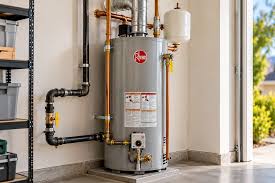
Buying a water heater isn’t something most homeowners spend much time thinking about until their current one starts causing trouble. Perhaps the hot water runs out halfway through a shower, or there’s an unfamiliar rumbling noise coming from the utility room. Eventually, you begin wondering whether another repair is worth the money.
Planning a new water heater installation before your existing equipment fails completely gives you more time to explore different models, compare expenses, and find something that genuinely suits your household.
After all, choosing an appliance under pressure rarely leads to the most thoughtful decision.
With several heating technologies available, understanding their practical differences can help you invest in equipment that supports your daily routine without unnecessarily increasing household expenses.
Recognizing When Your Old Water Heater Needs Replacing
An aging heating system doesn’t always stop working overnight. In many cases, its performance gradually declines until everyday inconveniences become increasingly difficult to ignore.
You might notice that hot water takes longer to recover after someone finishes showering. Perhaps unfamiliar noises become more frequent, or small amounts of moisture appear around the appliance.
Discolored hot water may also indicate corrosion somewhere within the equipment or surrounding plumbing.
However, not every warning sign means replacement is necessary. A malfunctioning heating element or thermostat might be relatively straightforward to repair.
Significant tank corrosion, recurring breakdowns, and increasingly expensive repairs deserve closer consideration.
Ask a qualified technician to assess the equipment’s overall condition before making a decision. Sometimes, an accurate diagnosis can save you from purchasing a replacement earlier than necessary.
Exploring Different Types of Water Heating Equipment
Shopping for heating equipment can feel surprisingly complicated. If you haven’t replaced your unit in several years, you might be unfamiliar with some of the technologies now available.
Comparing different water heater replacement options allows homeowners to consider installation expenses, energy efficiency, available space, and everyday heating requirements before committing to a particular model.
Conventional storage units maintain a reserve of heated water inside an insulated tank. They’re familiar and may offer relatively straightforward replacement when compatible infrastructure already exists.
Tankless models heat water as needed, potentially reducing standby energy losses and freeing up floor space.
Heat pump systems operate differently, transferring heat from surrounding air to warm the water. They can offer considerable energy savings under suitable conditions.
Each system has its advantages and limitations. The right choice depends less on what’s fashionable and more on what works for your property.
Finding a Heating System That Fits Your Daily Routine
Think about your household’s busiest mornings. Someone might be showering while another person washes dishes, with laundry running in the background. That’s quite a demand for one appliance.
The most practical home hot water heater solutions account for these everyday consumption patterns rather than relying exclusively on household size or equipment price.
A family with several bathrooms may require considerably more heating capacity than a couple living in a smaller property.
For storage units, first-hour delivery capacity is an important consideration. On-demand systems require appropriate sizing based on simultaneous water flow and the required temperature increase.
Choosing equipment that’s too small could lead to frustrating interruptions. An unnecessarily large storage system, meanwhile, may increase standby energy consumption.
Discussing your household habits with an experienced installer can make the selection process considerably easier.
Looking Beyond the Initial Purchase Price
It’s understandable to focus on the price tag when purchasing a new appliance. Water heating equipment can represent a significant household expense, especially when replacement happens unexpectedly.
However, the initial cost doesn’t tell the entire story.
Installation requirements, fuel expenses, maintenance needs, and anticipated service life all influence the overall value of your investment.
An energy-efficient model might cost more upfront but offer lower operating expenses over time.
On the other hand, switching heating technologies could require electrical upgrades, gas supply modifications, or changes to ventilation arrangements.
These additional expenses deserve attention before you finalize your purchase.
Request a detailed installation estimate and compare the long-term operating costs of suitable models. A little homework now can help prevent disappointing financial surprises later.
Why Professional Installation Deserves Serious Attention
Even dependable heating equipment needs proper installation to perform safely and efficiently.
Water pressure, electrical connections, ventilation, drainage arrangements, and temperature controls all require consideration, depending on the system.
Gas-powered equipment also needs appropriate fuel connections and safe combustion arrangements.
An experienced installer can assess your property’s existing infrastructure and determine whether modifications are necessary.
Before work begins, ask about warranty requirements, expected installation disruptions, and disposal of the old appliance.
Proper installation isn’t an area where cutting corners makes much sense. The equipment will become part of your everyday household routine, potentially for many years.
Taking Care of Your New Water Heater
Once your new appliance is installed, regular attention can help preserve its performance.
Storage units may require periodic sediment flushing and anode rod inspections. Tankless equipment may need descaling, particularly in areas with hard water.
Follow the manufacturer’s maintenance recommendations and arrange qualified servicing when necessary.
Pay attention to unusual noises, developing leaks, or unexpected changes in heating performance rather than ignoring them until a more serious problem develops.
Investing in Comfort That Lasts
A reliable heating system makes everyday life noticeably easier. Warm showers, clean dishes, and comfortable baths become simple pleasures rather than sources of frustration.
Take your time comparing technologies, understanding installation requirements, and choosing equipment suited to your household.
You don’t necessarily need the most expensive model available. You need one that performs reliably, operates efficiently under your circumstances, and accommodates your daily routine.
Sometimes, the best household investment is simply knowing that the hot water will be there whenever you turn on the tap.