
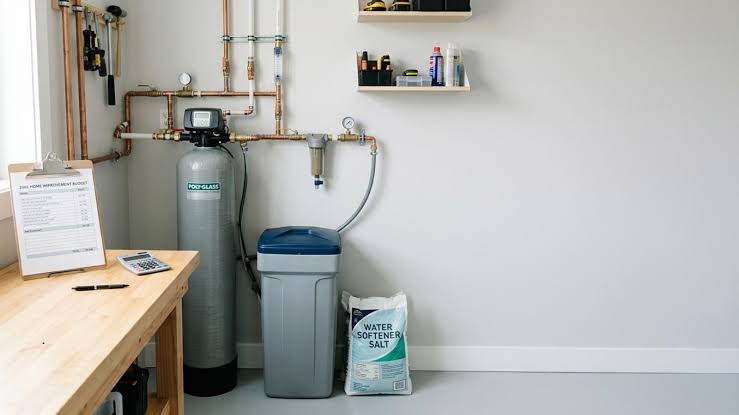
It’s Saturday morning, and you’re cleaning the bathroom again. Despite scrubbing the shower doors and polishing the faucets just a few days ago, those familiar white deposits have already returned. Meanwhile, your dishwasher continues leaving cloudy marks on glasses, and your freshly washed towels feel surprisingly rough.
If this sounds familiar, excessive water hardness could be contributing to your household frustrations.
For homeowners in Houston, Texas, professional water softening offers a practical opportunity to address mineral-related problems rather than repeatedly dealing with their visible effects.
An appropriately selected treatment system can make household cleaning easier, help protect valuable appliances, and improve everyday convenience. Understanding how water conditioning works and why proper installation matters can help you make a worthwhile investment in your home’s water quality.
Tackle Stubborn Mineral Deposits at Their Source
Hard water contains dissolved calcium and magnesium that can leave behind deposits as water evaporates. These minerals can also accumulate inside appliances, particularly equipment that regularly heats water.
For homeowners looking to end scale & spots, installing an appropriately sized water softener can help significantly reduce the hardness minerals responsible for these recurring problems.
Traditional ion-exchange technology works by exchanging calcium and magnesium ions for sodium or potassium ions. This process reduces hardness before water continues through connected household plumbing.
Imagine spending less time removing chalky deposits from shower doors or polishing kitchen faucets after every cleaning session. Reducing water hardness may make these responsibilities considerably more manageable.
You might also notice fewer mineral spots on freshly washed dishes and glassware.
Another important advantage involves protecting water heaters and other household appliances. Excessive mineral accumulation can interfere with heat transfer and contribute to additional maintenance requirements.
Addressing hardness can help reduce future scale formation, although existing deposits may still require cleaning or professional servicing.
It’s also worth remembering that not every water spot originates from hardness minerals. Other dissolved substances and cleaning residues may leave marks even after softening.
Professional water testing helps identify the underlying problem and establish realistic expectations about treatment results.
Why Professional Installation and Ongoing Service Matter
Purchasing a water softener is only one part of improving household water conditions. Equipment sizing, installation quality, plumbing compatibility, and ongoing maintenance all influence long-term performance.
Professional water softener installation and service helps homeowners establish suitable operating conditions while ensuring that equipment receives appropriate attention throughout its useful life.
Before installation begins, a technician should evaluate existing water hardness, household consumption, incoming water pressure, and available installation space.
Consider a busy household where several family members take showers while the washing machine and dishwasher operate simultaneously. An undersized softener may struggle to accommodate these demands or require excessively frequent regeneration.
Proper equipment selection can help prevent such problems.
Installation also requires suitable drainage arrangements, accessible equipment placement, and appropriate plumbing connections.
Once the system is operating, homeowners should receive guidance regarding salt replenishment, regeneration settings, maintenance schedules, and warranty conditions.
Ongoing professional servicing becomes particularly valuable when treatment performance changes unexpectedly.
Returning mineral deposits, unusual regeneration cycles, or reduced water flow could indicate that equipment requires attention.
Rather than waiting until the system stops providing satisfactory results, arranging timely inspections may help reduce avoidable repairs and preserve treatment effectiveness.
Quality service extends beyond the initial installation. It helps homeowners understand, maintain, and protect their investment over time.
Create a More Comfortable Home With Personalized Water Conditioning
Every household experiences water quality differently. Some families struggle primarily with mineral deposits, while others notice unpleasant drinking water tastes, suspended particles, or chemical odors.
A personalized approach to residential water conditioning allows homeowners to explore treatment technologies based on their property’s actual water conditions, consumption patterns, and everyday preferences.
Water softening primarily addresses excessive hardness. Other treatment technologies serve different purposes.
Activated carbon filters may help reduce chlorine and selected substances responsible for unwanted tastes and odors. Sediment filters capture suspended particles, while reverse osmosis equipment can reduce many dissolved substances in drinking water.
Picture a household where bathroom fixtures constantly develop white deposits, but drinking water also has an unpleasant aftertaste.
Installing a softener may address the mineral-related concerns, while appropriate carbon filtration or reverse osmosis could provide additional drinking water treatment.
However, not every home requires several treatment systems.
Professional testing can help determine which technologies offer meaningful benefits without introducing unnecessary installation costs or maintenance responsibilities.
For Houston homeowners, reviewing local water quality reports and discussing individual concerns with a knowledgeable professional can provide valuable guidance.
The objective is to create a treatment arrangement that complements your lifestyle rather than purchasing equipment simply because it offers numerous features.
Discover the Everyday Advantages of Reducing Water Hardness
Suitable water softening can bring practical improvements to several household activities.
Potential benefits include:
- Fewer mineral deposits around faucets and showerheads.
- Improved soap and detergent effectiveness.
- Reduced hardness-related spotting on glassware.
- Laundry that may feel softer after washing.
- Less mineral accumulation inside water heaters.
- More manageable bathroom and kitchen cleaning.
- Reduced scale-related appliance maintenance requirements.
These improvements can be particularly noticeable in households experiencing significant hardness problems.
Actual results depend on incoming water conditions, equipment capacity, installation quality, and consistent maintenance.
Choose a Water Softener That Matches Your Household Budget
The initial purchase price of treatment equipment doesn’t tell the complete financial story.
Homeowners should also consider regeneration water consumption, salt expenses, professional servicing, equipment warranties, and anticipated replacement costs.
Demand-based regeneration systems may help avoid unnecessary regeneration cycles when appropriately configured for household consumption.
Before making a purchase, request a detailed installation estimate and ask your provider to explain ongoing operating requirements.
Choosing equipment based on actual household needs can help prevent unnecessary expenses while supporting dependable performance.
Maintain Your Water Conditioning Equipment for Lasting Results
Even high-quality water softeners require periodic attention.
Check salt levels regularly, follow manufacturer maintenance recommendations, and periodically verify hardness reduction.
If mineral deposits begin returning, arrange an appropriate inspection rather than assuming the entire system needs replacement.
Keeping maintenance records can help you anticipate servicing requirements and manage long-term ownership expenses.
Enjoy a Home With Fewer Hard Water Frustrations
Dealing with stubborn mineral deposits and recurring cleaning challenges doesn’t have to remain part of your everyday routine.
For Houston homeowners, appropriate water testing, professional installation, and consistent equipment maintenance offer a practical pathway toward better household water conditions.
Instead of repeatedly treating the visible effects of hard water, consider addressing its underlying cause.
After all, investing in suitable water softening technology is about more than sparkling faucets and cleaner glassware. It’s about protecting valuable appliances, spending less time on frustrating household chores, and enjoying a comfortable home where better water makes a meaningful difference every day.